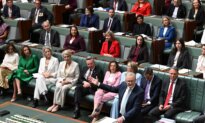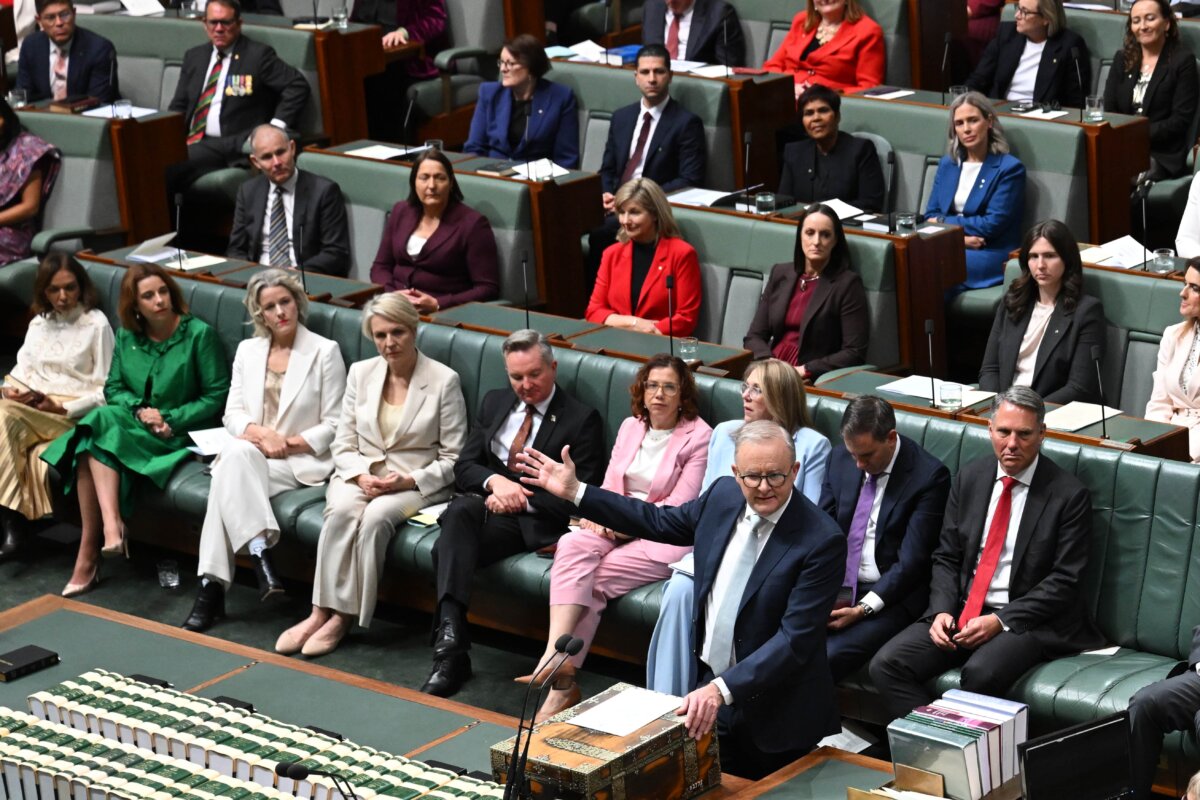

Crossbench senators and MPs have criticised the Albanese government for what they claim are unprecedented levels of secrecy, which they say are worse than those under former Prime Minister Scott Morrison, who was found to have appointed himself to five ministries without informing anyone.
The MPs, along with the Centre for Public Transparency, were especially critical of Labor due to its promise of a more accountable and transparent government.
Research from the Centre revealed fewer Freedom of Information (FOI) applications—through which people can request access to documents held by ministers and departments—were fully granted in 2023/24, this was down significantly from 59 percent in 2011/12.
Meanwhile, outright refusals jumped from 12 to 23 percent during the same time frame,
“We don’t have a pro-disclosure culture … within the federal government, and that overall is what we really need to see happen,” the Centre’s research director, Catherine Williams, said.
Anyone dissatisfied with an FOI response can complain to the Australian Information Commissioner; however, the average processing time for reviews has nearly tripled, from six months in 2016/17, to 15.5 months in 2023/24.
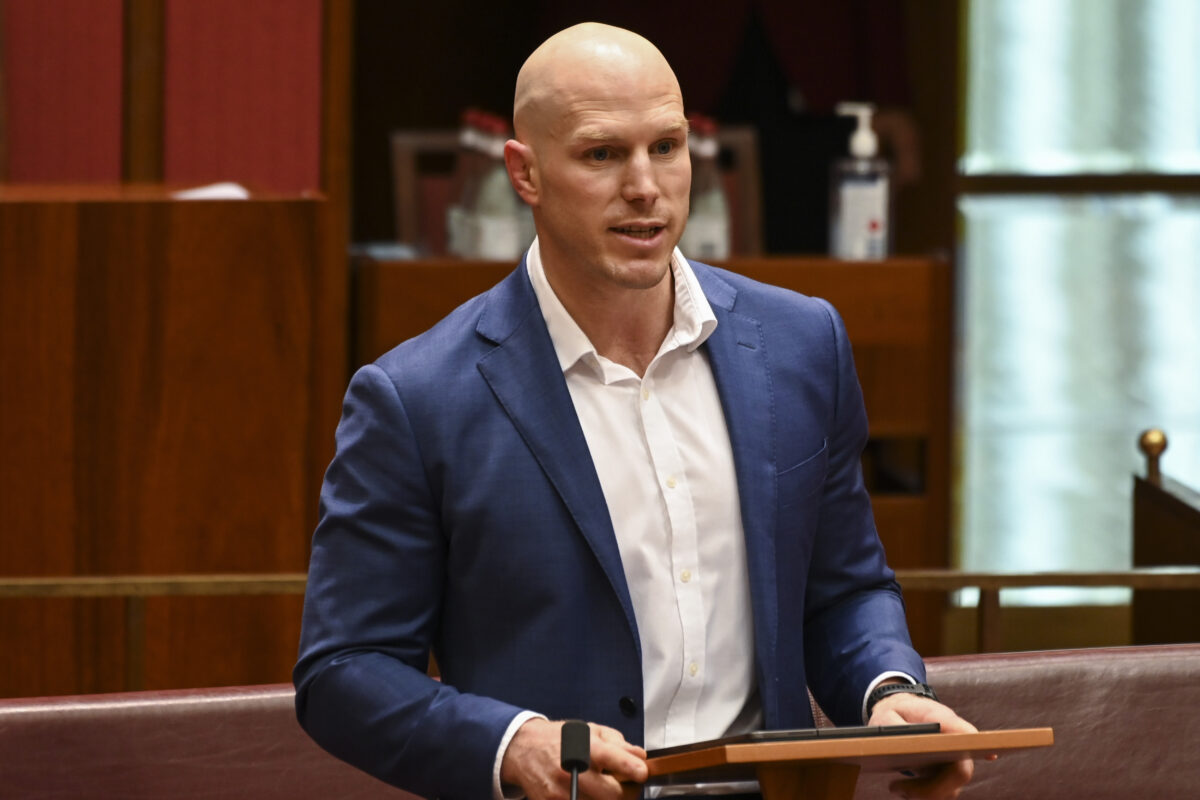
“The Albanese government is more secretive than a government where the prime minister had five secret ministries,” independent Senator David Pocock told reporters, while fellow independent Helen Haines branded the secrecy as “deeply suspicious.”
Crossbench and Teal MP Monique Ryan questioned why a request for one brief to the government on health and disability was redacted before being released.
“This is what the government wants us to know about its reform agenda for a really important issue like health. We are struggling to understand what the government is planning,” Dr. Ryan said, holding up blank pages of redactions.
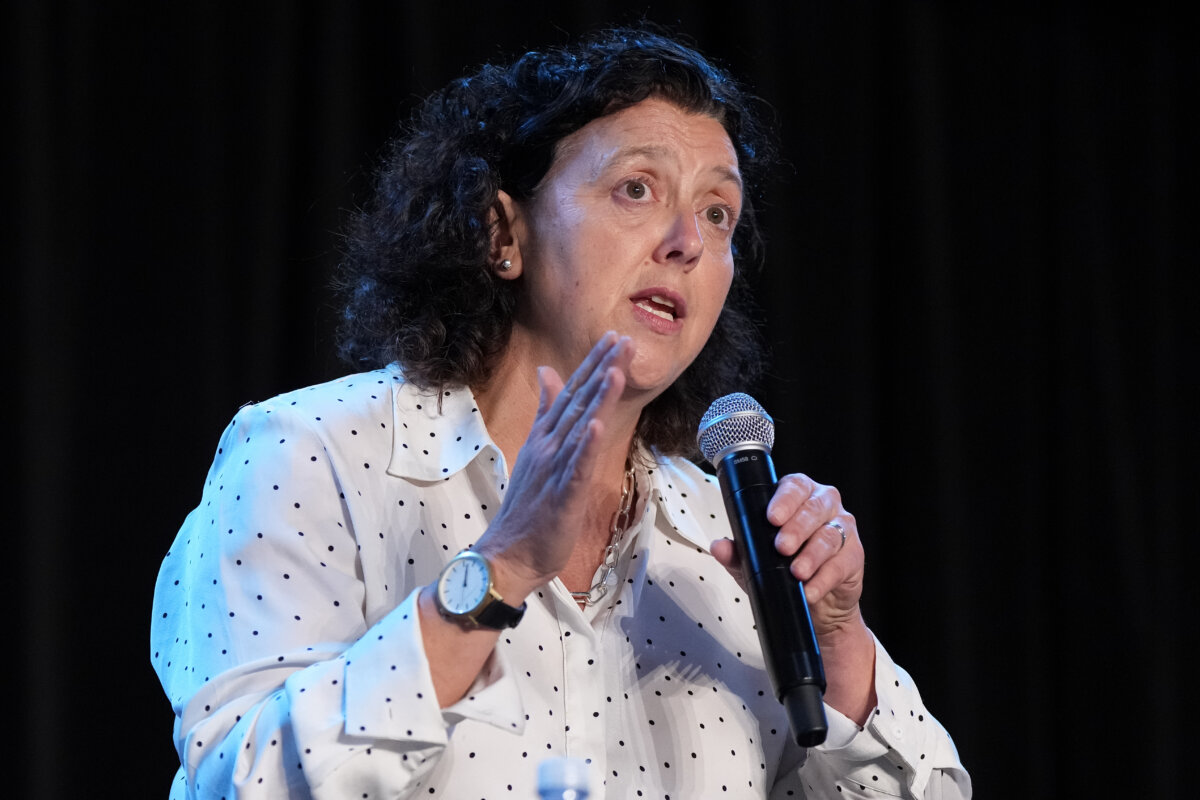
“We’re looking for transparency, we’re looking for integrity in government; it shouldn’t be too much to ask.”
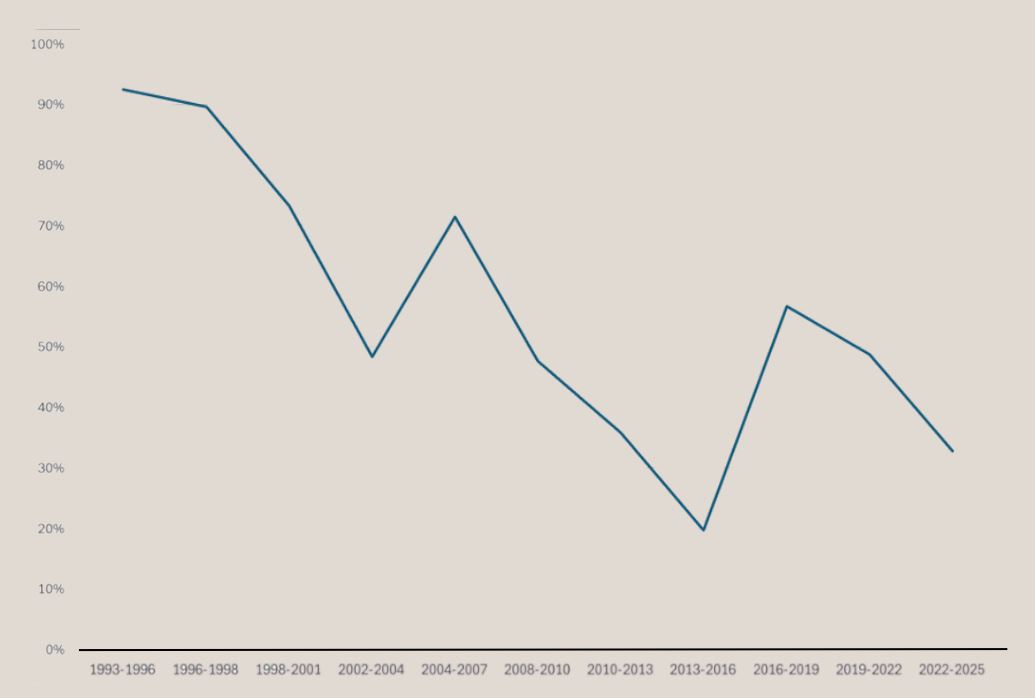
The current government also complied with less than a third of orders from the Senate to produce documents, compared to nearly half under the Morrison government, the centre found. That represents the second-worst rate of compliance with Senate orders since 1993.
Victorian Greens Senator Steph Hodgins-May said the production orders weren’t a political stunt, but a tool for accountability, assisting in understanding why decisions were made, who influenced them, and how public money was spent.
The Centre recommended establishing an Independent Legal Arbiter within Senate Standing Orders, empowered to conduct impartial reviews of privilege claims and deter unwarranted secrecy.
It also called for an emphasis on transparency from departments and reduced processing times.
“The alarming deterioration in transparency is deeply troubling. With the Albanese government’s supermajority, entrenched secrecy undermines democratic accountability,” said the Centre’s director, Geoffrey Watson SC, in a statement on X.
A spokesperson for Labor Attorney-General Michelle Rowland stated that more than $100 million has been allocated towards resourcing the Information Commissioner.
There had been a more than 200 percent increase in FOI complaints finalised, and a 15 percent increase in review finalisations in 2023/24, the spokesperson said.
They also pointed to a change in how Freedom of Information requests were reported, with applications that contained redacted material that was irrelevant now being counted as “granted in part” rather than in full.
But Dr. Williams said this excuse didn’t justify the higher refusal rate.
AAP contributed to this story.
 Friends Read Free
Copy
Facebook
Tweet
Friends Read Free
Copy
Facebook
Tweet