
Several automakers have updated existing recalls this week, affecting more than 100,000 vehicles in Canada. Common issues include reduced braking, faulty rearview cameras, pedestrian warning system problems, and malfunctioning headlights.
Here is a look at the recalls and the vehicles they affect.
Ford
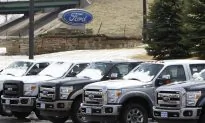
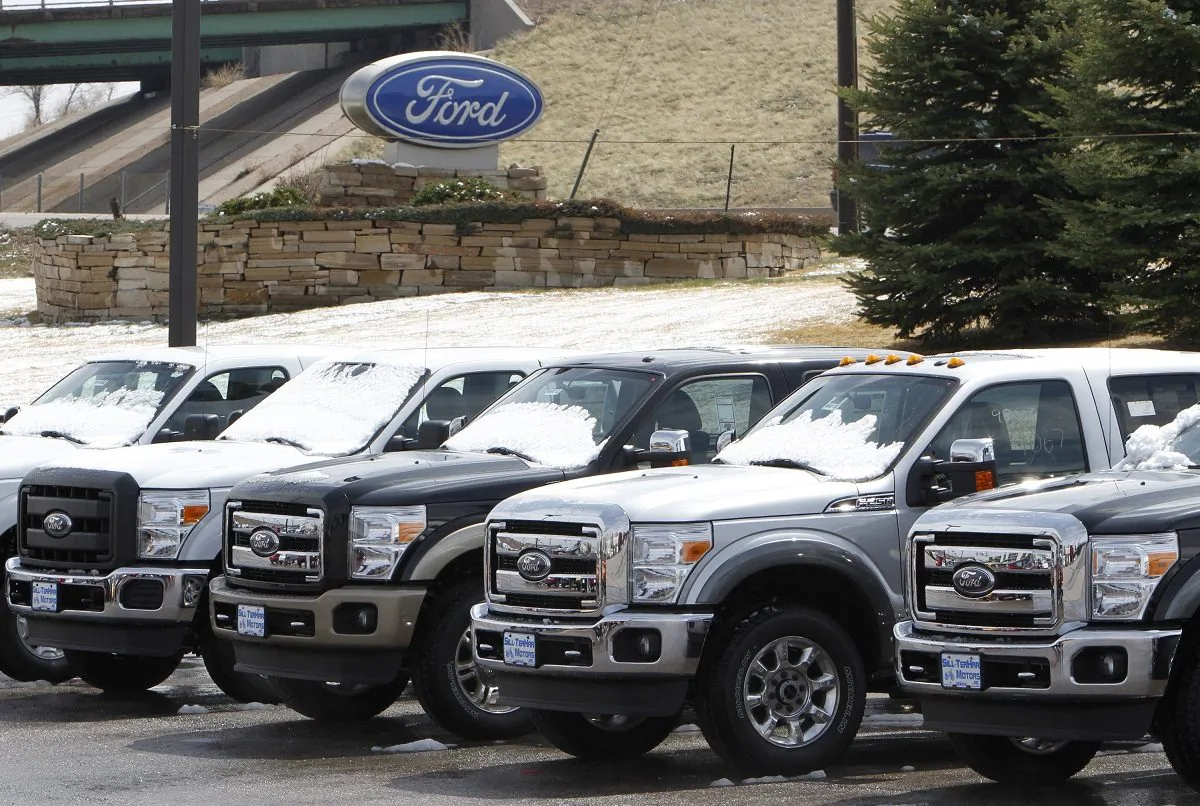
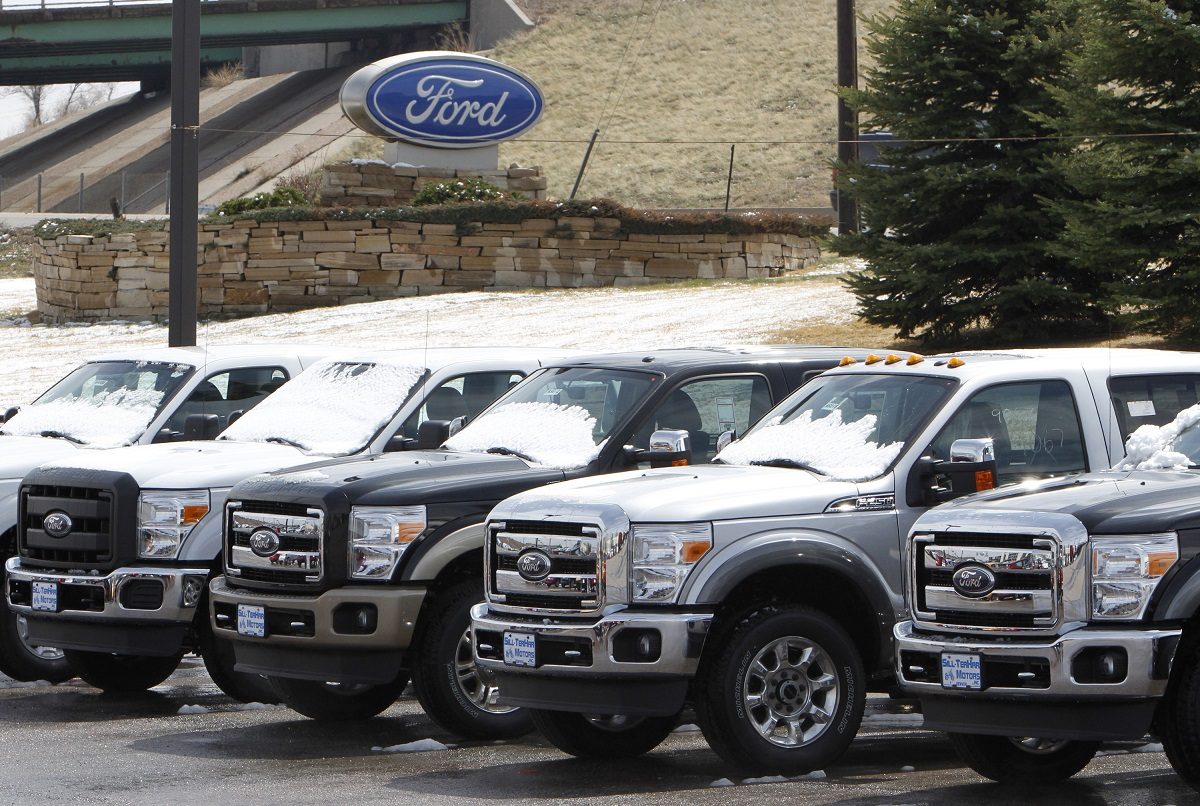
Ford on Dec. 22 updated a recall it issued on Dec. 12 affecting 49,973 vehicles. The recall says some vehicles may move while parked if the parking brake is not engaged due to a problem with the integrated park module, increasing the risk of injury or a crash.
When the issue is detected, a wrench warning light or shift system fault message may appear on the dashboard, the company said. Ford added it will notify owners by mail and ask them to bring their vehicles to a dealership for the necessary software updates.
The recall affects three models: F-150 for model years 2022 to 2026, Maverick for model years 2025 and 2026, and Mustang Mach-E for model years 2024 to 2026. For the F-150, only electric models are affected, while for the Maverick, only vehicles with the 2.5 L hybrid engine are included.
The following day, Ford updated another recall issued on Dec. 18, affecting 6,945 vehicles. The recall warns that turn signals, high and low beam headlights, parking lights, and daytime running lights may not function properly, increasing the risk of a crash by reducing visibility, making the vehicle harder for others to see, or making it difficult to signal turns or lane changes.
The company says this is caused by a failure of the LED driver module in the headlight assemblies, which may trigger an “Advanced Front Lighting Feature Temporarily Unavailable” warning and cause the turn signal indicator to flash faster than normal.
The recall affects only Mustang Mach-E vehicles for the 2025 model year. Ford said it will notify owners by mail and provide a wireless over-the-air update for the LED driver module software. Owners can also choose to have the update installed at a dealership.
General Motors
General Motors (GM) on Dec. 22 updated a recall it issued on Dec. 18, involving 20,824 Chevrolet Equinox EVs with potentially malfunctioning pedestrian warning systems. These systems use artificial sounds to alert pedestrians when vehicles that operate quietly at low speeds, such as electric and hybrid cars, are approaching.
Ottawa introduced regulations in 2022 requiring hybrid and electric vehicles to meet minimum noise levels, citing their quiet motors and the increased risk of collisions for pedestrians, cyclists, and people with disabilities.
GM’s recall only affects model years 2025 and 2026. It says it will notify owners by mail and send a wireless over-the-air update for the body control module software. Owners can also have the update performed at a dealership.
Honda
Honda on Dec. 22 updated a recall it had issued on Dec. 11, affecting 10,572 Acura ILX vehicles it says could experience reduced braking.
The issue is caused by damage to a seal in the brake master cylinder, which can allow brake fluid to leak into the reservoir. This may cause vehicles to take longer to stop, increasing the risk of a crash.
The recall applies to model years 2016 through 2020. The company said it will notify owners by mail and ask them to take their vehicles to a dealership to have the brake master cylinder replaced.
Porsche
Porsche on Dec. 24 updated a recall it had issued on Dec. 19, involving 25,175 cars and SUVs. The company said a software issue in the affected vehicles may prevent the rearview camera image from appearing on the display, reducing the driver’s visibility while backing up.
Canadian regulations require backup cameras on passenger cars, SUVs, light pickup trucks, and minivans, which must activate when the vehicle is put in reverse.
The recall affects five models: 911 Carrera for model years 2020 to 2025, 911 Turbo for model years 2020 to 2025, Cayenne for model years 2019 to 2025, Panamera for model years 2024 and 2025, and Taycan for model years 2020 to 2025.
The company says it will notify owners by mail and ask them to take their vehicles to a dealership to update the driver assistance system control unit software.
 Friends Read Free
Copy
Facebook
Tweet
Friends Read Free
Copy
Facebook
Tweet