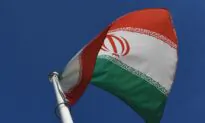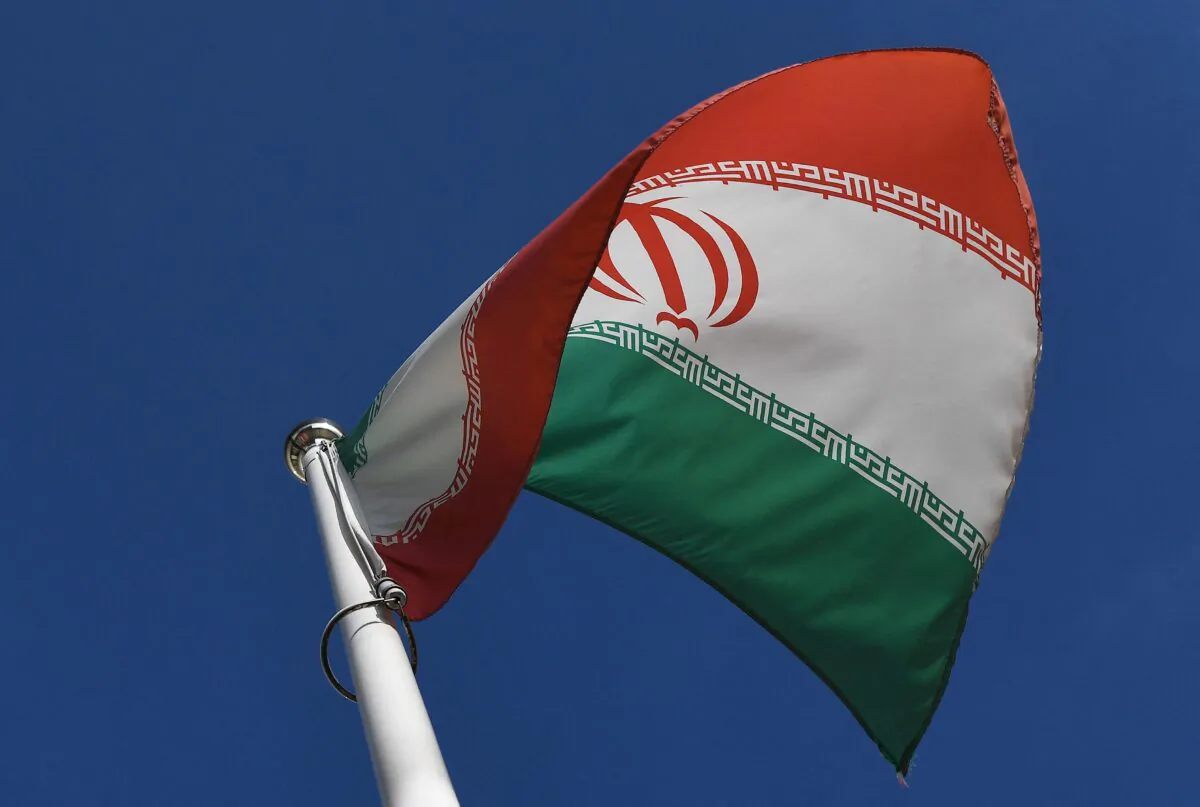

France, Germany, and the UK—together known as the E3—provided a 30-day notice on Aug. 28 of their intent to reinstate sanctions on Iran for noncompliance with its 2015 nuclear deal.
The 2015 deal, known as the Joint Comprehensive Plan of Action (JCPOA), capped Iran’s ability to stockpile and enrich uranium in exchange for the removal of international economic sanctions.
“Iran has been severely out of compliance with its nuclear commitments under the JCPOA deal for many years,” UK Foreign Secretary David Lammy said in an X post.
“That’s why, alongside our European allies, the UK has triggered the snapback mechanism to end sanctions relief against Iran.”
French Foreign Minister Jean-Noël Barrot and German Foreign Minister Johann Wadephul also shared posts on X, commenting on the sanctions snapback decision.
The move to reapply sanctions on Iran comes two months after Israel launched a surprise aerial campaign targeting Iran’s military and its nuclear infrastructure.
The ensuing 12-day conflict saw Iran return fire on Israel, and the United States targeted three Iranian nuclear facilities with bombs and cruise missiles.
Iranian leaders have signaled a reluctance to cooperate with nuclear inspectors in the weeks since the Israeli and U.S. strikes.
In 2018, the United States became the first JCPOA signatory to withdraw from the deal.
Following the unilateral withdrawal, President Donald Trump began reapplying sanctions in what he described as a “maximum pressure” campaign.
Iran, in turn, openly began enriching uranium beyond the 3.67 percent purity the 2015 deal had allowed.
In February, after returning to the White House, Trump renewed his “maximum pressure” campaign on Iran.
By that point, the U.N. International Atomic Energy Agency assessed that Iran had stockpiled about 600 pounds of 60 percent enriched uranium.
Where Negotiations Stand
The Trump administration met with Iranian representatives at multiple points earlier in 2025, in an effort to negotiate a new deal limiting Iran’s nuclear prospects.
A deal has remained elusive.
On June 12, the International Atomic Energy Agency board of governors passed a resolution declaring that Iran had insufficiently complied with its nuclear inspections obligations.
Within hours of that resolution’s passage, Israeli forces began striking Iran.
Tehran subsequently canceled a planned set of nuclear talks with the United States on June 15.
Representatives for the E3 met with Iranian representatives in Istanbul on July 25 and again on Aug. 26, seeking an agreement to bring Iran back into full compliance with the 2015 nuclear deal.
Nevertheless, Iran has been reluctant to make the desired concessions.
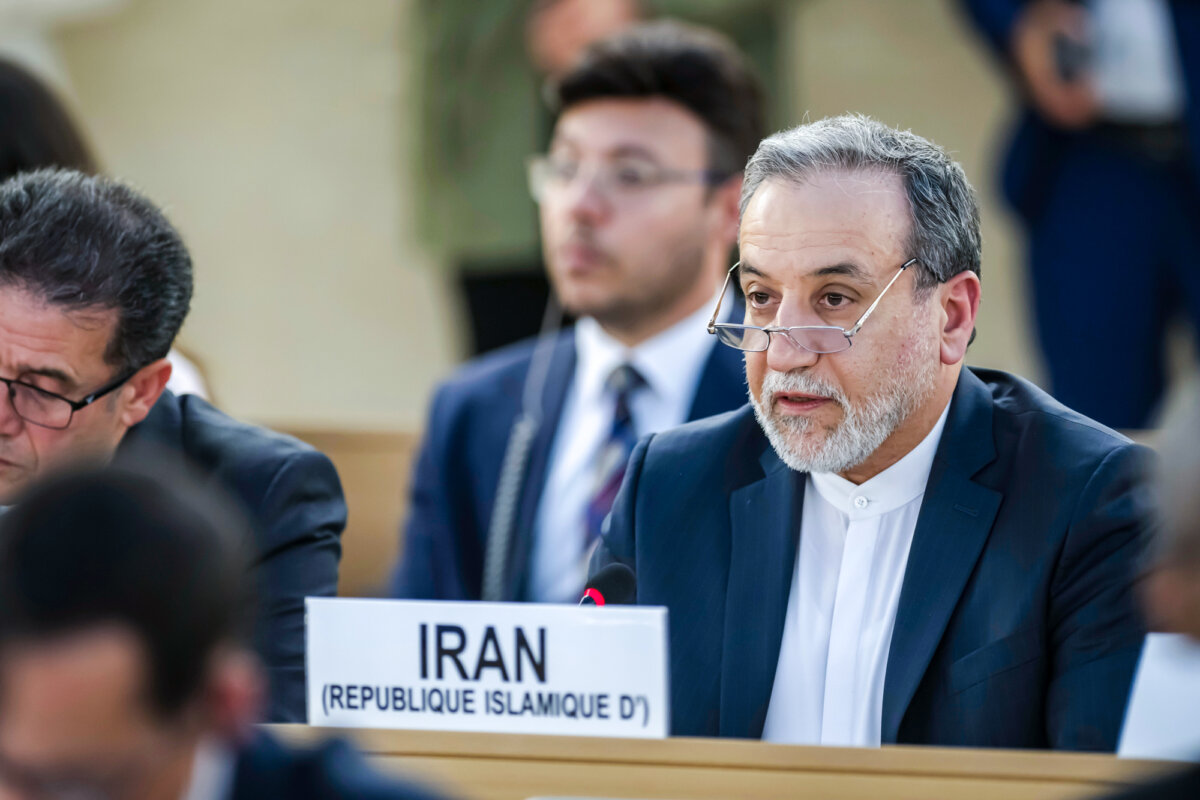
With the E3’s decision on Aug. 28 to trigger the sanctions snapback mechanism, Iran now has 30 days to recommit to previously abandoned nuclear safeguards to avoid the reinstatement of sanctions.
In his X post, Barrot expressed hope that Iran would be willing to make a change in the coming month.
“This measure does not signal the end of diplomacy: we are determined to make the most of the 30-day period that is now opening to engage in dialogue with Iran,” the French foreign minister wrote.
“We remain committed to diplomacy to ensure that Iran never acquires nuclear weapons.”
In a statement he shared on Telegram, Iranian Foreign Minister Abbas Araghchi criticized the E3 for initiating the sanctions snapback, saying the Aug. 28 action ran afoul of the JCPOA’s dispute resolution process.
Araghchi also said the three European countries had previously violated their JCPOA commitment to lift sanctions on Iran’s missile program. He said they imposed more sanctions on Iran’s airline and shipping industries in 2024.
On Oct. 18, 2023, the eighth anniversary of the JCPOA’s implementation, the deal’s European signatories were meant to lift restrictions on Iran’s missile program.
However, the European countries had already challenged Iran’s commitment to its JCPOA obligations and elected to continue imposing restrictions designed to halt Iran’s missile program.
In October 2024, the European Union reached an agreement to sanction multiple Iranian airlines, business entities, and officials accused of transferring missiles and drones to Russia for its ongoing conflict with Ukraine.
 Friends Read Free
Copy
Facebook
Tweet
Friends Read Free
Copy
Facebook
Tweet