



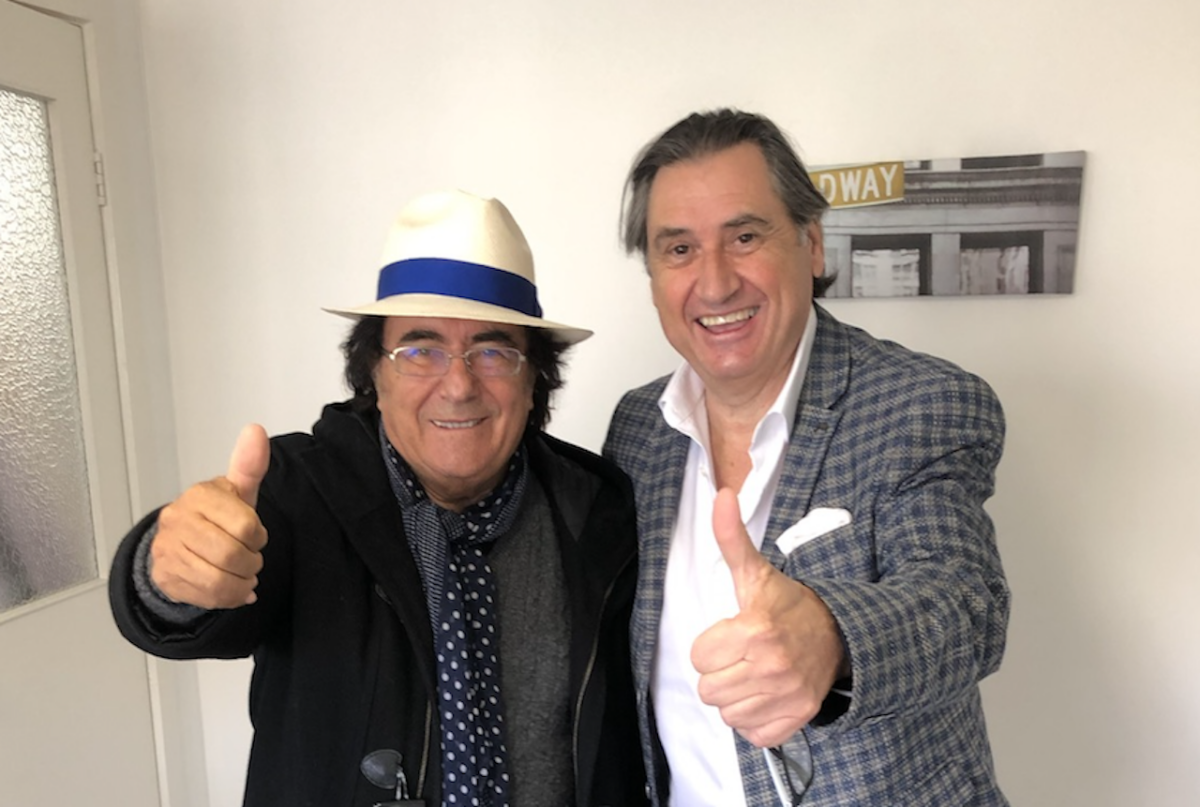
For over 40 years, respected radio host Tony Tardio, has brought what many have described as “integrity and calm” to the airwaves every day.
A former newsreader at 3AW, and host at Italian radio station Rete Italia, Tardio says his passion for radio is interwoven with a deep connection to his Italian heritage.
During an interview with The Epoch Times, the radio veteran, who was awarded an Italian Knighthood in 2021, said he discovered his passion for broadcasting in his childhood.
“I used to have a little transistor radio no bigger than your phone that I used to put it in my pocket, and I’d listen to mainly cricket, because I love cricket,” Tardio said.
“So when the Australian cricket team went to England at night time we would put the radio under the pillow and fall asleep listening to the cricket.
“So, that started the spark. Plus my dad didn’t go to school, he couldn’t read or write, so he got all his information off the radio and the television.”
Growing Up In An Italian Household
Tardio grew up on a banana plantation north of Coffs Harbour near the Big Banana.
Being the third child to an Italian immigrant, Tardio said his father’s determination to build his own future by applying agricultural skills that he learned from radio and television left a lasting impression on him.
Tardio’s father, Paolo, migrated from San Marco in Lamis, Italy, to Melbourne in 1949, in the aftermath of the Second World War. Paolo was held as a prisoner in Africa, and it was here that he was determined to seek a better life for his family and he went on to establish two banana plantations in rural New South Wales.
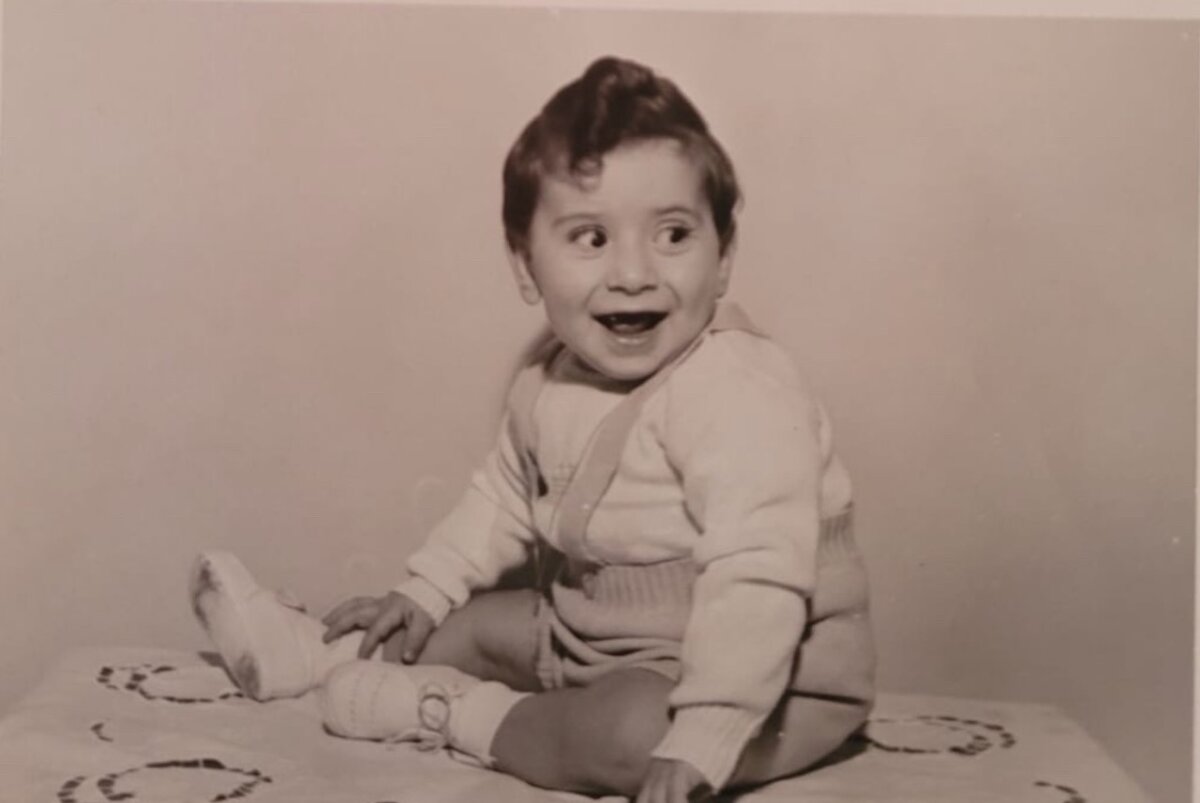
Given the locality of the plantations, Tardio did not have the opportunity to go to Italian school growing up, but his parents passed on their dialect, which he said he learned to appreciate more when he read local poems.
During his last year in Coffs Harbour in 1980, he visited the newly opened Salvation Army’s youth radio station and recalled thinking “I love this, this is what radio is,” he said. Later on, after moving to Melbourne, he was offered an employment as a newsreader, in Alice Springs, where he stayed for one year.
However, his love for Italian culture strengthened when he began working for Rete Italia in Melbourne.
He said it was at Rete Italia that he was able to familiarise himself with Italian music, costumes and stories of immigrants like his parents.
His first trip to Italy in 1986 marked a milestone for his appreciation of Italian culture.
“I was knocked out by what a beautiful place it was. Beautiful culture,” he said, adding that it was this trip where he felt like a “real Italian, as well as an Australian citizen.”
“So, when I say I’m Italian-Australian, I am Italian-Australian. I’m not just a pretend Italian-Australian.”
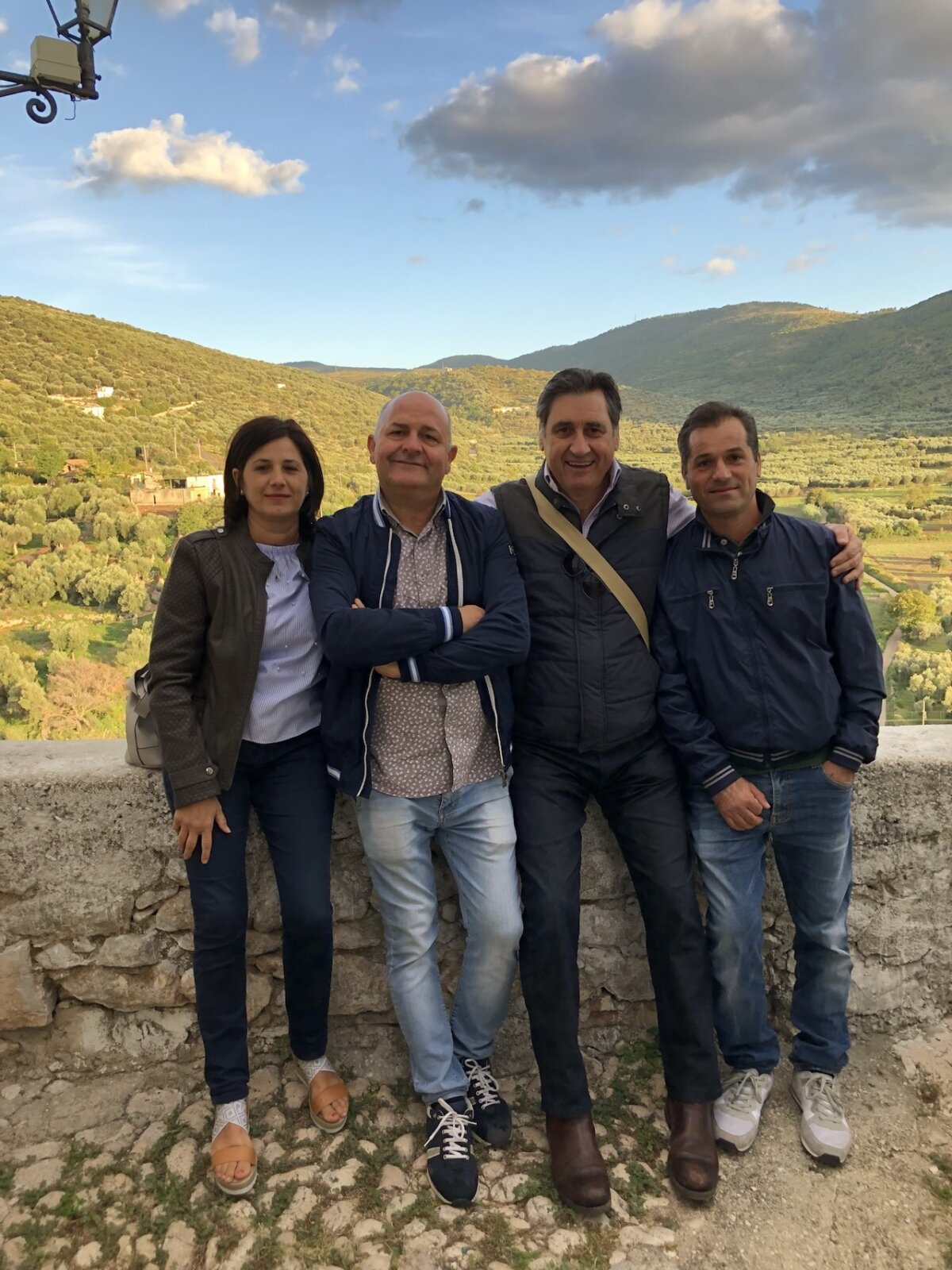
Later, when Tardio began his career at a commercial radio station in Melbourne, he said he was asked by the station to change his name to “Tony Taylor”—which he refused.
“I never did that because I thought if I’m going to be on radio I want to be myself,” he said.
Italian Migrant Story
Tardio also recalled a time during that period when Italian migrants struggled integrating into the Australian way of life—often facing discrimination.
“When you’re a kid and you grow up in a very white Anglo-Saxon society where they tease you about what you eat, or tease you about all sorts of things … and you don’t want to be teased,” he said.
For instance, Tardio said he would feel “ashamed” about the herbs and vegetables hanging in the family garage in Melbourne, adding that many Italian migrants would often try to hide their origins, to avoid discrimination.
“One time we had a party in the garage,” he said, “and my dad had all these peppers, onions and chilli hanging down. I was embarrassed.”
“And now you go to a restaurant and they’re all there. Now, Australia has embraced all this [diversity].”
Despite those tough times, Tardio said he recalls a time when there was little to no crime, no rampant drug use, and a strong sense of community, especially in the rural areas.
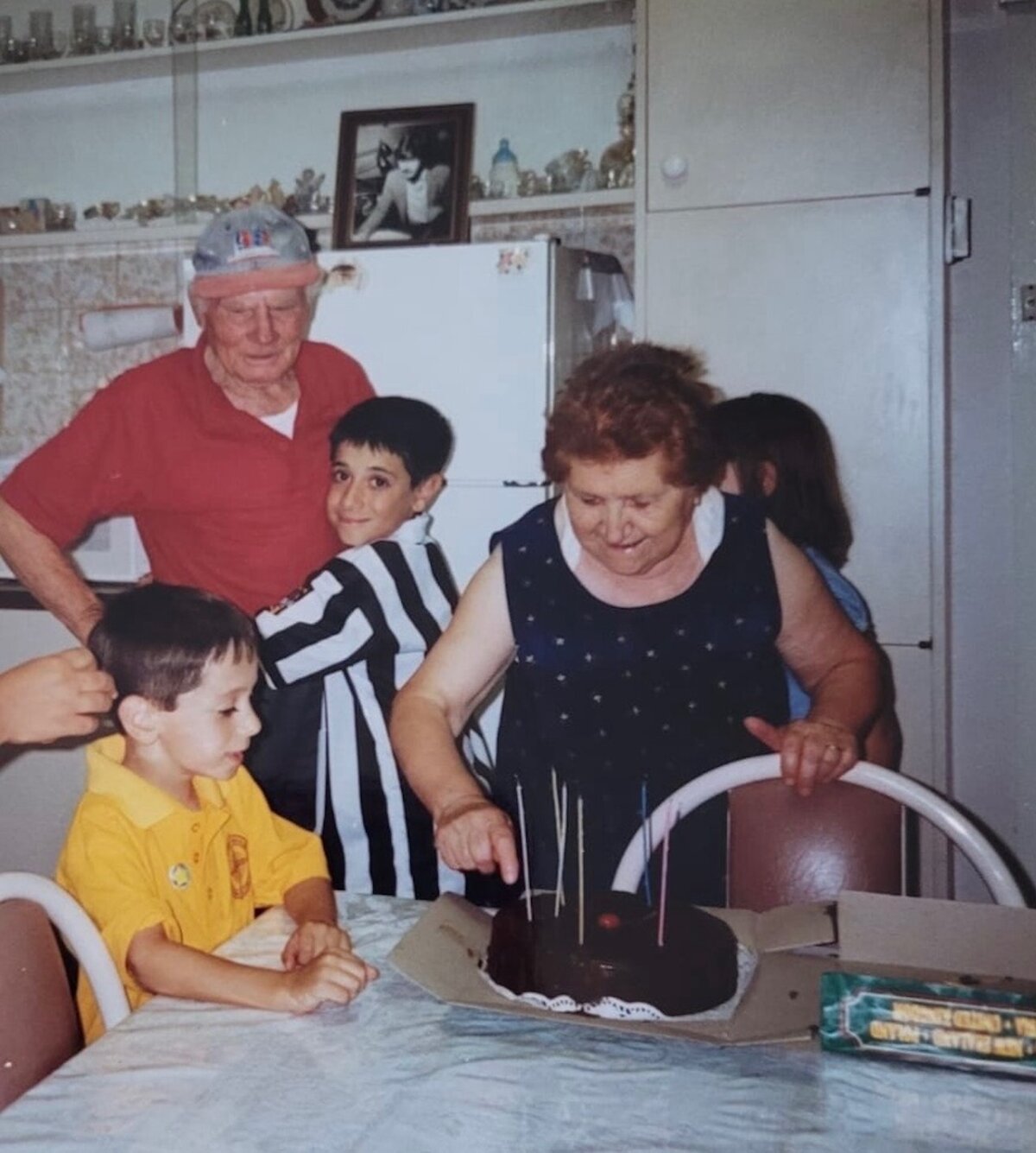
Tardio said people knew one another and took time to visit and connect. That sense of belonging which, he believes, has been eroded in modern society, is still present in his father’s hometown.
“When I go back to San Marco in Lamis, I see the old people down the viale (the main road),” he said.
“Old guys sitting on hard benches, some walk arm in arm. There is that sense of community, even if all you do all day is to get up in the morning, go down there, have a chat, come back, have lunch, have a nap and go down there again. And then, at a certain time, they know that they have to go home, because the young people appear and it’s their time to be on the viale. So, you can’t really be lonely.”
Tardio’s Contribution to the Community
Through his work at the radio, Tardio has connected with countless listeners, particularly Italian migrants.
Since radio is intimate, yet unseen, he said he is not completely aware of the impact he has had on them, nonetheless, when people approach him on the street or at some Italian clubs, and they act as friends, he said he realises that his stories have moved some people and shaped lives in different ways.

One love story stood out for him.
A lady from Broken Hill, in her 80s, told Tardio during broadcast that when she was 16 or 17 years-old, she fell in love with an Italian boy, in Perth.
However, her father opposed their relationship.
“It was the late 1940s and there was a lot of racism towards the Italians. Her father didn’t like her going out with an Italian boy,” Tardio said.
“She was about to start training to be a nurse, and the man forced her do her course in Albany, a thousand miles away from Perth. The boy and the girl said goodbye to each other, in a park in Perth, underneath a palm tree.”
Years later, they married other people and had children, but kept thinking of each other. Eventually they both became widowers.
The man searched for the woman he had never forgotten.
“He went through phone and electoral records, until he found her. When he called her house in Broken Hill, she was thinking of him. They met and resumed their love,” Tardio recalled.
“They got married under the palm tree, in the park in Perth, where they said goodbye to each other all those years earlier.
“The Italian man finally got what he wanted … through patience, ingenuity and determination,” he said.
Tony’s Words of Advice
Patience, ingenuity and determination are some of Tardio’s core values, which he said he wished all young people had. These traits, along with the ability to accept what life brings, can lead a person to success.
“I went to the ABC. I never got a job there. I missed out. It was the best thing to happen to me, because then I had to do something else,” he said.
But he also said family is a “powerful force.”
“Family, is the main thing. I mean, Italian people are generous, and they’re good people. You know, the Italian community that came here, who came with nothing, and they worked really hard, this is an example of what can be done.”
He also advises young people who dream of becoming journalists or newsreaders to be resolute in achieving their goals, and he sees social media as a great marketing tool.

The radio host also believes the key to reaching one’s goals is “sacrifice.”
“Sometimes, you’re just not prepared to make the necessary sacrifices that need to be made. And sometimes the sacrifices are impossible—almost. They’re not impossible, but they border on impossible.”
