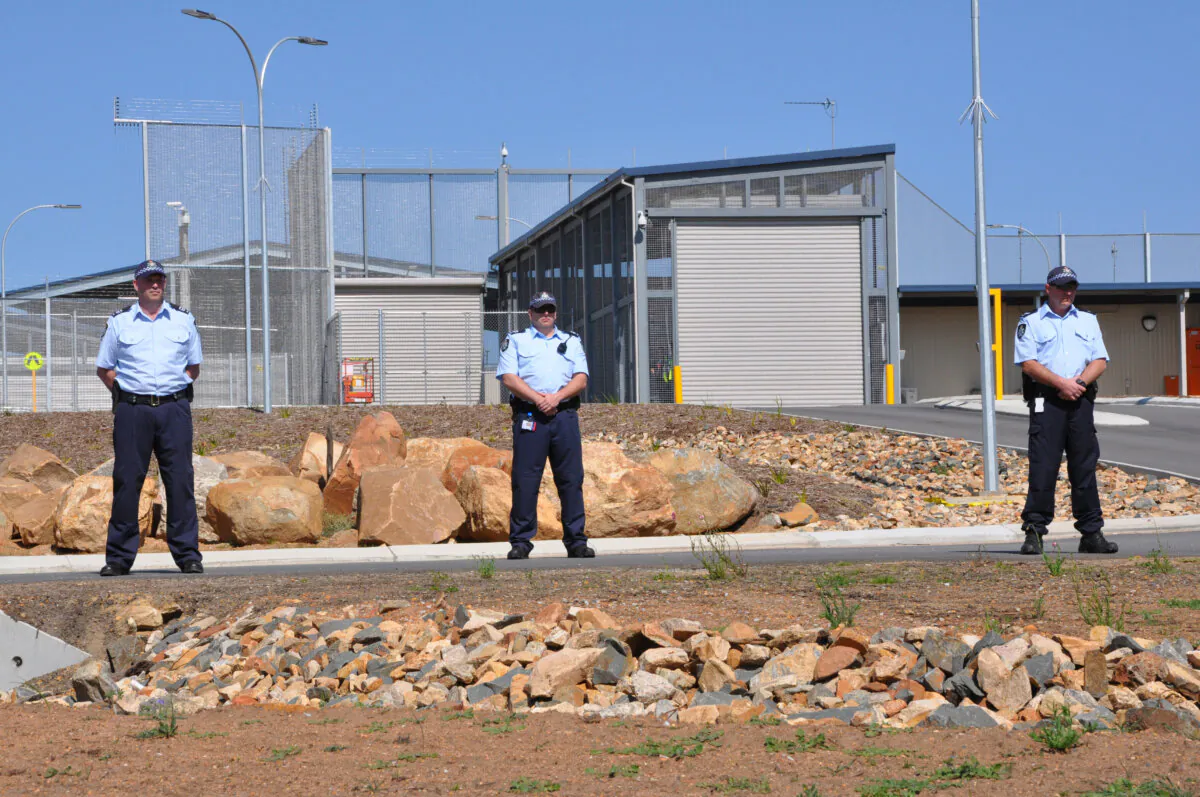

Australian taxpayers are spending about $119,273 (US$83,400) a year—or roughly $327 a day—for every prisoner held in custody, as new national data shows the prison population increase to its highest level in eight years.
A report (pdf) released on Feb. 3 by the Productivity Commission showed the average daily prison population rose 5.9 percent to 45,526 nationwide in 2024–25.
It is the highest level recorded since 2016–17 and continues a steady upward trend that is placing increasing pressure on state and territory budgets.
The swelling inmate population is also driving operating expenditure as the total cost reached $5.43 billion in 2024–25, up 4.3 percent on the previous year, and almost 50 percent higher than a decade ago.
The total cost of corrective services reached $7 billion, or about $256 per Australian when spread across the population.
However, the spending pressures extend well beyond prisons.
Across the justice system, total government expenditure—excluding revenue from own sources—reached $26.5 billion last year.
Police services accounted for $17.1 billion, while courts absorbed $2.4 billion, highlighting the scale of resources now required to manage law enforcement and incarceration nationwide.
Further as of June 2025, corrective services also operated 114 custodial facilities nationally, including 89 government-run prisons, eight privately operated prisons, four transitional centres and 13 court cell complexes.
At the same time, far more Australians were being managed outside prison walls. An average of 83,730 offenders per day were serving community corrections orders in 2024–25, meaning community supervision now affects nearly twice as many people as incarceration.
Reoffending Rises as Crime Falls
One of the most concerning trends in the data is the rise in recidivism—repeat offending.
Nationally, 44.5 percent of adults released from prison returned within two years in 2024–25—the highest rate since 2019 and a six-year peak.
This increase has occurred despite long-term declines in many crime categories.
Data from the Australian Bureau of Statistics’ Crime Victimisation Survey shows household crimes such as break-ins, property damage and motor vehicle theft have generally fallen over the past decade.
Most physical crimes, including assaults and robberies, also declined, while sexual assault offences fluctuated—remaining above levels recorded 10 years ago but below peaks seen during the pandemic period.
Pressure Across Police, Courts and Custody
The report also highlighted growing strain across policing and courts.
Nationally, there were 211 sworn police officers per 100,000 people in 2024–25, down from 268 per 100,000 in 2015–16, even as police funding rises.
Total real recurrent expenditure on policing grew at an average annual rate of 2 percent over five years to 2024-25.
Attrition rates varied significantly between jurisdictions, ranging from 4.3 percent to 8.4 percent.
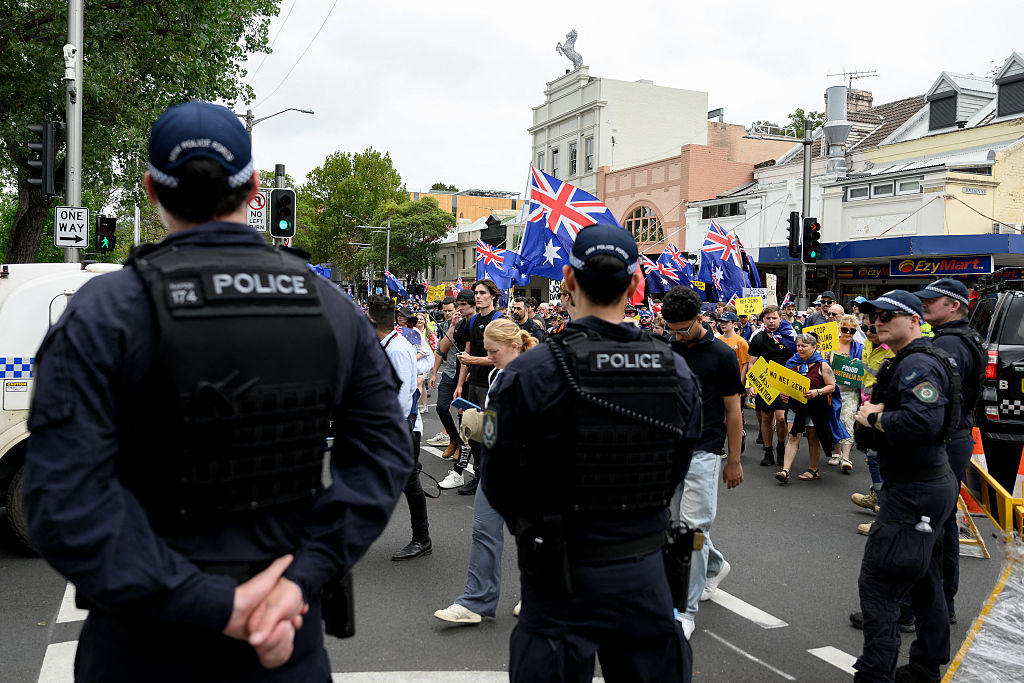
Demands on the court system are also surging, with 750,028 criminal matters and 404,652 civil matters lodged nationally—both five-year highs.
Spending on courts climbed to $2.77 billion, up 26.6 percent since 2015–16.
The data also revealed ongoing risks within custodial settings.
In 2024–25, 22 people died in police custody, down from an 18-year high recorded two years earlier. However, 26 people died from unnatural causes in prisons, the highest in five years.
States Grapple With Youth Crime Epidemic
The data comes as several states look to tougher sentencing to deal with ongoing youth crime.
In 2024, Queensland introduced “adult time for adult crime” laws with Victoria following in late 2025, also removing detention as a last resort for young offenders in what it described as the toughest bail regime in the country.
New South Wales also tightened bail laws in 2024, expanding the presumption against bail in domestic violence and youth matters and requiring more accused offenders to justify why they should not be detained.
Human rights group Amnesty International has launched a petition calling for changes to bail and sentencing laws affecting children. Addressed to the Attorney-General, the petition has attracted more than 21,000 signatures.
“Decades of evidence show that locking up children does not make communities safer,” the petition states.
“Punitive approaches entrench trauma and disadvantage, increase the likelihood of future contact with the justice system and cost taxpayers on average more than $1 million per child per year for a system that demonstrably fails children and communities.”
 Friends Read Free
Copy
Facebook
Tweet
Friends Read Free
Copy
Facebook
Tweet