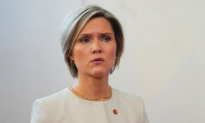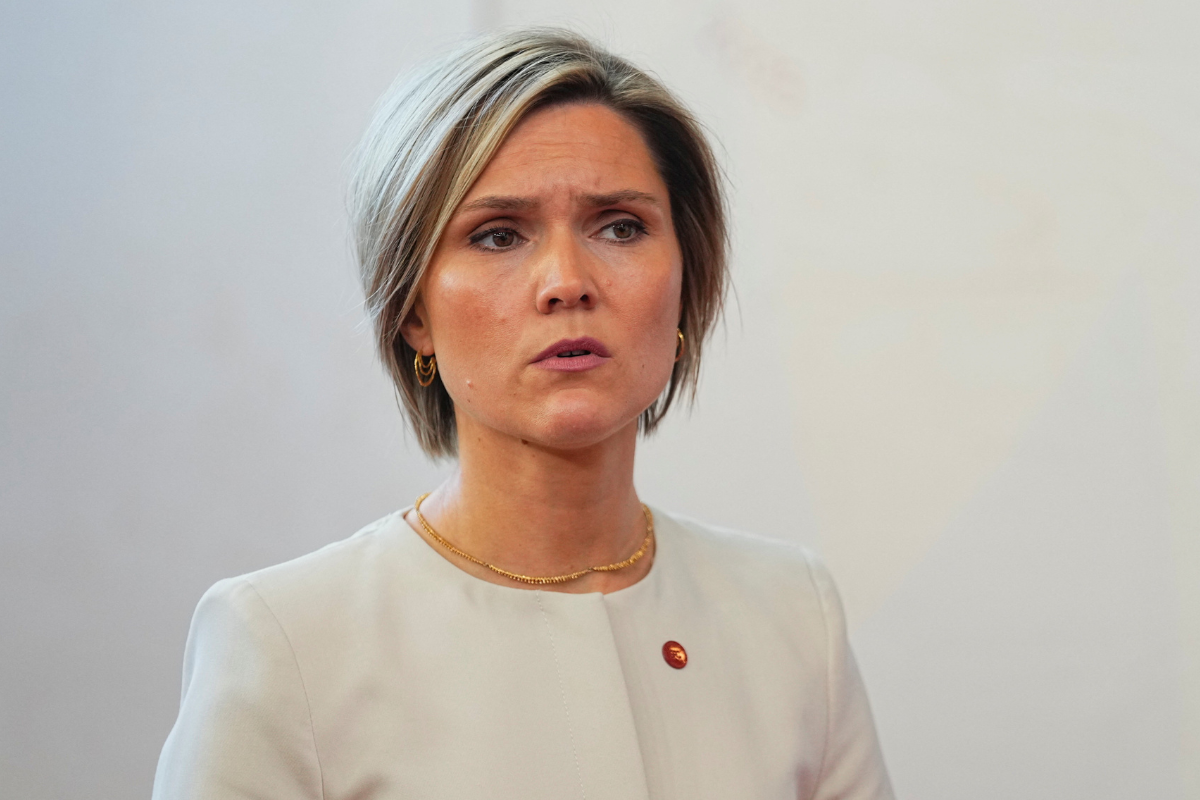

Icelandic Prime Minister Kristrun Frostadottir said during a visit to Poland on Feb. 25 that Reykjavik will hold a referendum “in the coming months” on restarting European Union accession talks.
Iceland abandoned EU membership talks in 2013 after four years of negotiations. The Nordic island already has access to the EU’s single market through its membership of the European Economic Area and the Schengen open border travel zone.
“In the coming months, we are going to have a referendum on opening up the negotiations, the accession negotiations for Iceland to possibly join the EU,” Frostadottir said during a joint press conference with Polish Prime Minister Donald Tusk.
She said that reopening the talks was about “opening an opportunity” for Iceland and pursuing better integration for the country into the bloc. She said Iceland has a lot to bring to the EU through membership.
“We have been able to develop our resources in a positive way. We’ve been able to drive [gross domestic product] growth in the right direction. We have had a good welfare system. We have solid values, and we have respect for one another. A lot of these are underlying values that we see in the European community as a whole,” Frostadottir said.
Iceland’s center-left government, which came to power after a snap election in 2024, had promised to hold a public vote on joining the bloc by 2027.
The prime minister said that her government “will listen to whatever the Icelandic population wants to do.”
Potential New EU Members by 2030
The EU is an economic and political union made up of 27 member states.
Several countries are attempting to join the union, including Ukraine and Albania. According to the European Commission—the EU’s executive branch—the bloc could welcome new members by 2030.
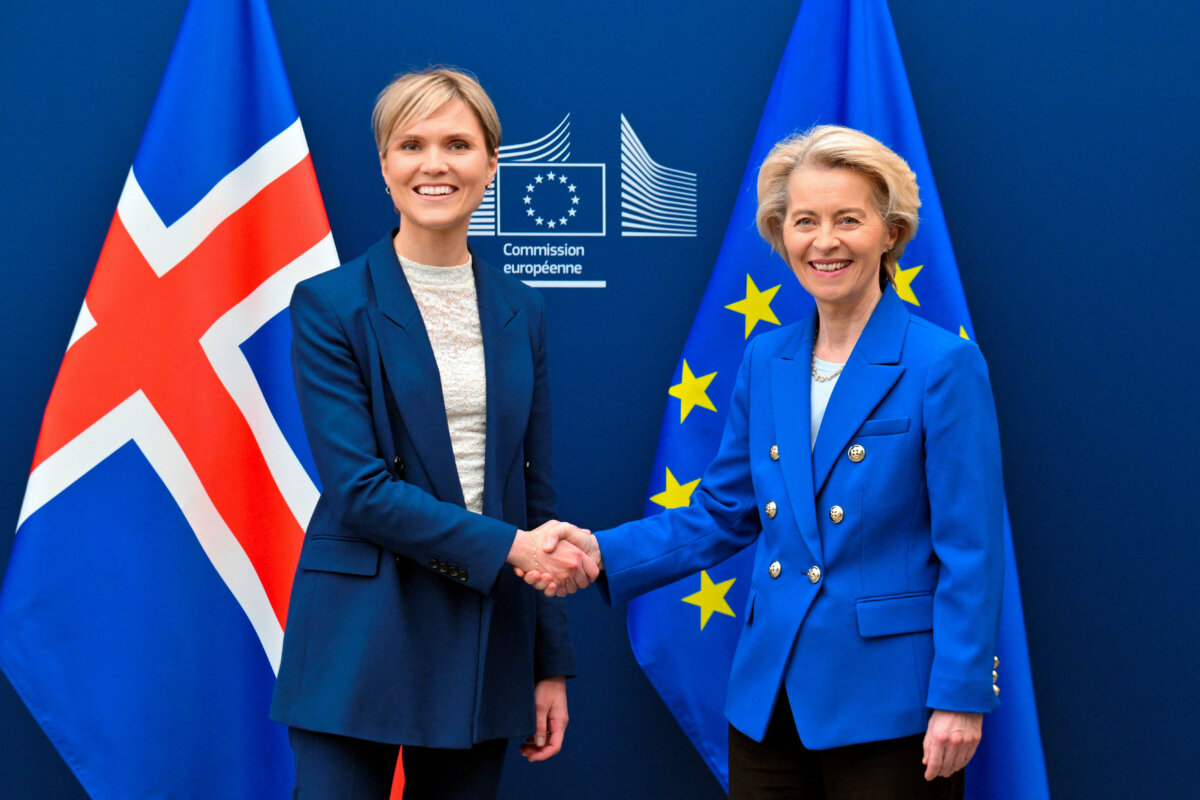
The commission released its latest annual enlargement report in November 2025.
EU foreign policy chief Kaja Kallas described the accession process as one that requires candidates to align with the bloc’s foreign and security policies, committing to supporting free media, “cleaning up corruption,” and “cementing the rule of law.”
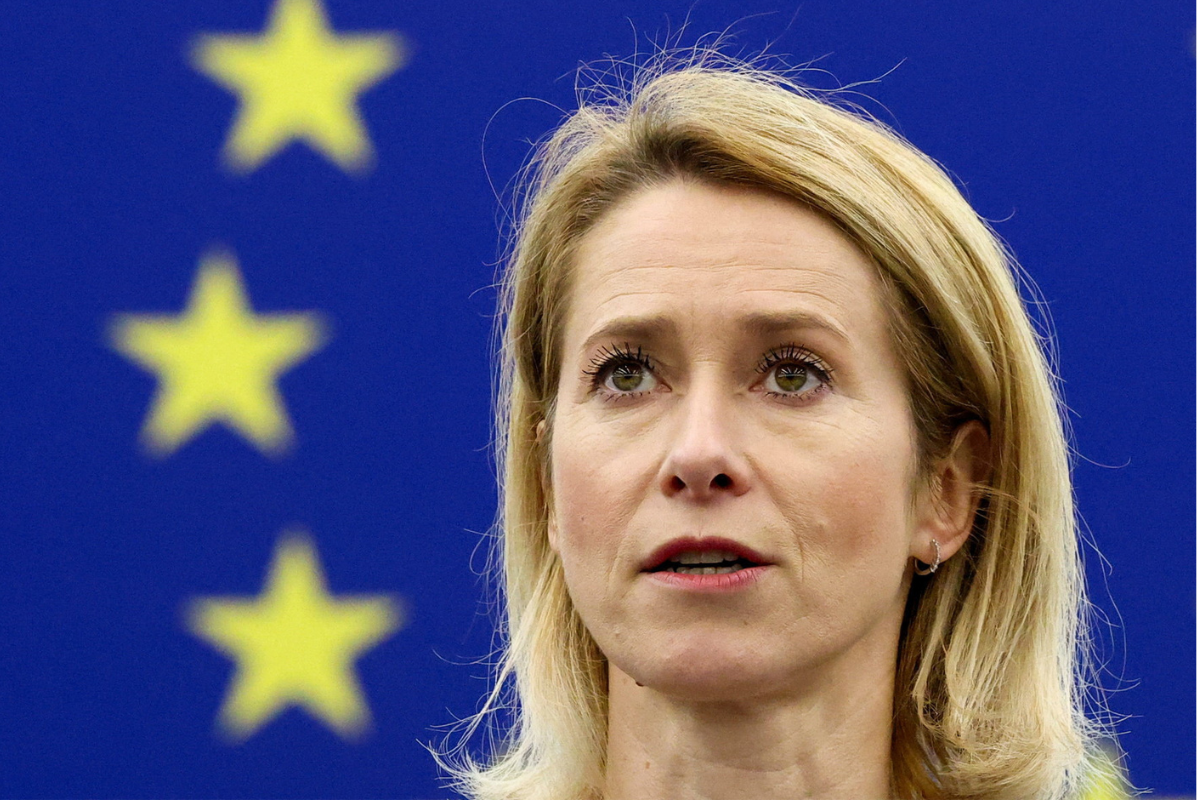
“Joining the EU remains a fair, tough and merit-based process. But new countries joining the EU by 2030 is a realistic goal,” Kallas said in a Nov. 4, 2025, statement. “Expanding the EU is in our best interest. It’s a long-term investment in our security, economy, and global edge. Through enlargement Europe can grow its geopolitical power.”
Countries on the path to joining are Albania, Bosnia and Herzegovina, Georgia, Kosovo, Moldova, Montenegro, North Macedonia, Serbia, Turkey, and Ukraine. Croatia joined in 2013.
The EU lost a member on Jan. 31, 2020, when the UK officially left the bloc following the June 2016 referendum vote to leave. The UK had been a member since 1973, when the bloc was called the European Economic Community.
Reuters contributed to this report.
 Friends Read Free
Copy
Facebook
Tweet
Friends Read Free
Copy
Facebook
Tweet