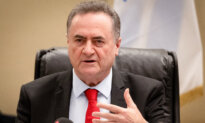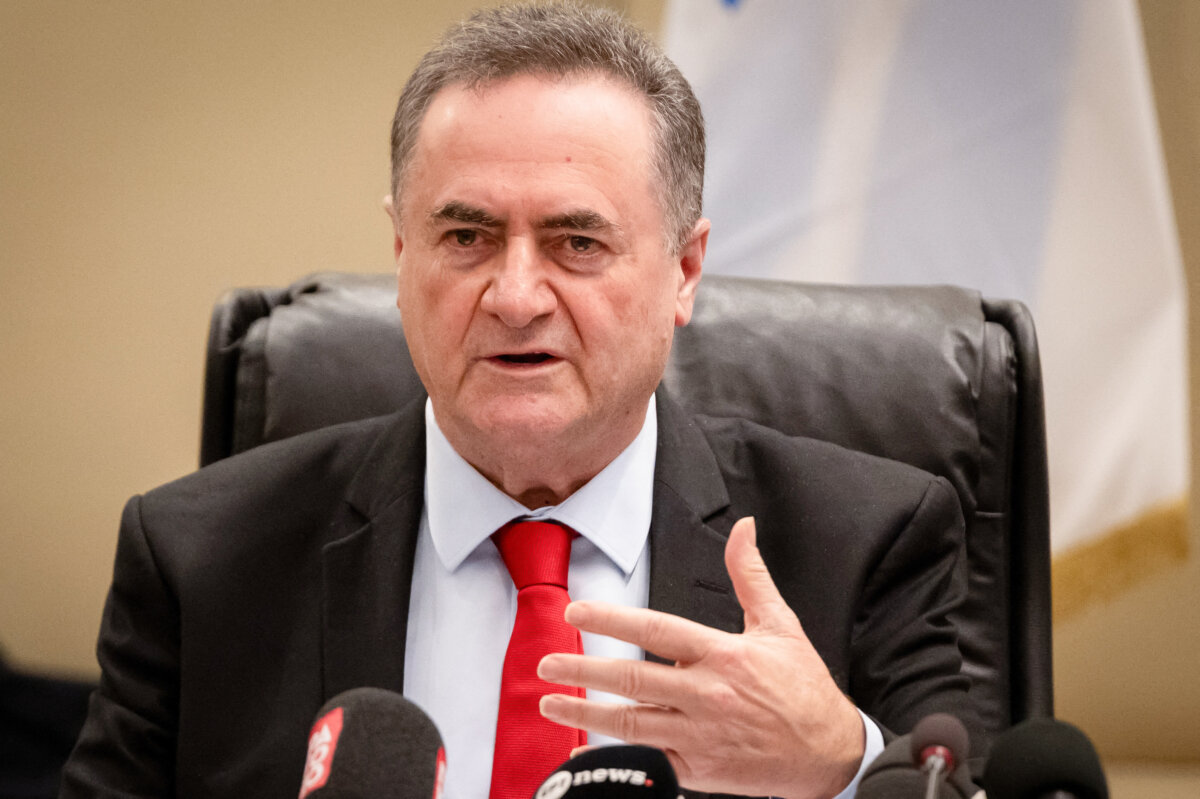

The Israel Defense Forces (IDF) will not withdraw from southern Lebanon, Israeli Defense Minister Israel Katz said on June 15, following the announcement that a deal to end the conflict between the United States and Iran had been reached.
The deal was first announced by Pakistani Prime Minister Shehbaz Sharif.
“Both sides have declared the immediate and permanent termination of military operations on all fronts, including in Lebanon,” he said in a June 14 post on X. “The official signing ceremony will be on Friday, 19 June in Switzerland.”
On June 15, Katz said, “the IDF will remain in the security zones in Lebanon, Syria, and Gaza, without any time limit,” according to The Times of Israel.
He said that security zones will be “cleared of local residents, and all terror infrastructure, above and below ground, including the houses in the contact-line villages that served as terror outposts, will be destroyed,” adding that holding those zones is “among the IDF’s greatest achievements” in the war.
“We oppose an IDF withdrawal from Lebanon, despite all the existing pressures and those that will still come,” he said, in the first statement to emerge from the Israeli government since the ceasefire was announced by U.S. President Donald Trump.
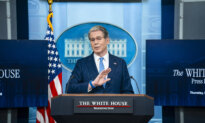
Katz said that Israeli Prime Minister Benjamin Netanyahu had “made these points clear” to both Trump and U.S. Secretary of War Pete Hegseth.
“We will not compromise on Israel’s security interests and the protection of our citizens, and we will not withdraw from the security zones,” Katz added, warning that “if Iran attacks Israel because of events in Lebanon, we will strike it with full force.”
Ceasefire Does Not Bind Israel: Ben-Gvir
Following the ceasefire deal, Israeli National Security Minister Itamar Ben-Gvir said in a post on X that “Trump’s agreement does not bind us.”
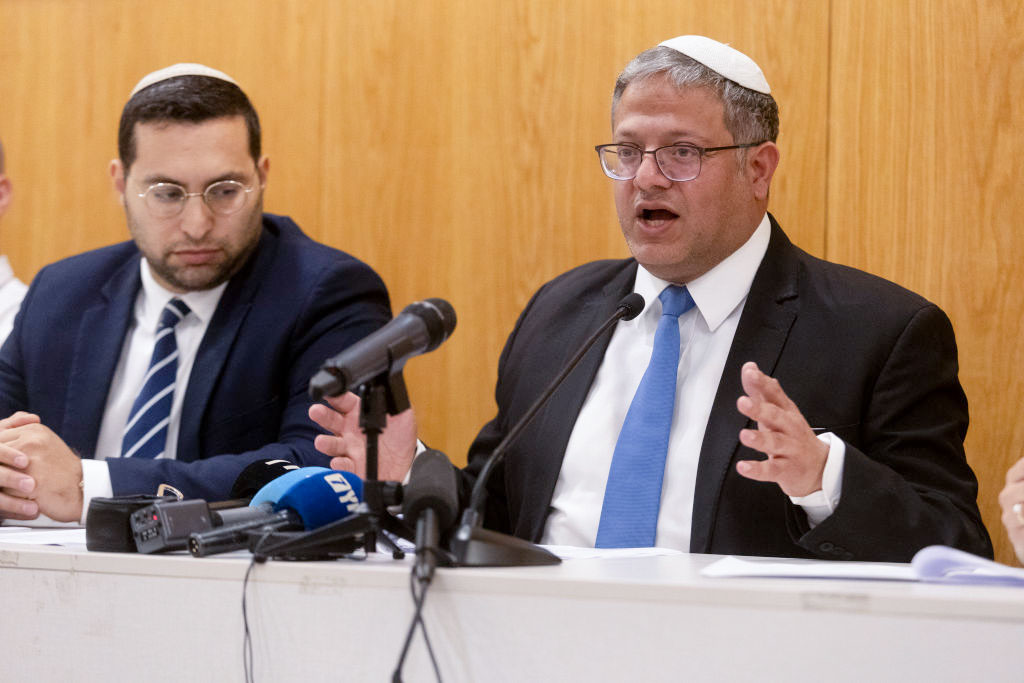
“Israel is not subject to the United States, and we are an independent and sovereign nation! Our duty is to the citizens of Israel, to the soldiers of the IDF, and to the Jewish people, and our historical duty to the persecuted and murdered Jews over thousands of years of exile, to provide security to Jews in the Land of Israel,” he wrote.
Ben-Gvir said that every time the country had “succumbed to international pressure at the expense of Israel’s security,” the Jewish state had “paid a blood price with interest.”
He gave the Oslo Accords of 1993, the Lebanon agreement of 2006, and “every period of containment in Gaza that exploded in our faces,” as examples.
“We must not compromise on anything less than the dismantling of Hezbollah, we must not withdraw from any territory that our fighters have captured and cleared of terror infrastructure, we must not return to a situation where thousands of terrorists sit on the fences of northern settlements, and certainly we must not remain silent for a moment in the face of fire directed at the State of Israel,” he said.
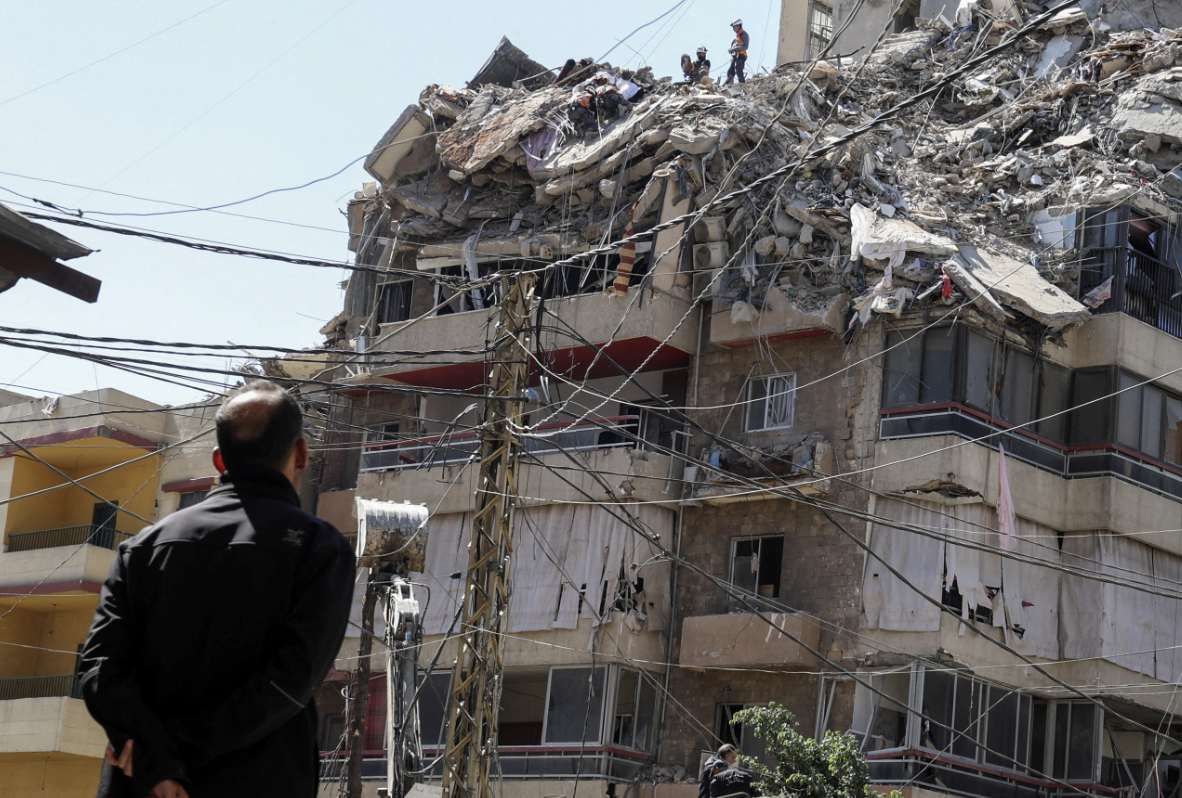
The minister added that it must be made clear that every drone or missile launched from Lebanon “will lead to an Israeli strike in Dahieh,” a suburb of southern Beirut.
Lebanon Key Disagreement in Ceasefire Deal
In a June 14 post on Truth Social, Trump said the deal with Iran is now complete.
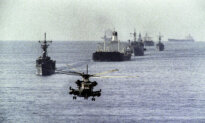
“Congratulations to all! I hereby fully authorize the toll free opening of the Strait of Hormuz, and, simultaneously herewith, authorize the immediate removal of the United States Naval blockade,” he wrote. “Ships of the World, start your engines. Let the oil flow!”
Iranian state television quoted an Iranian national security official as saying the war “will end immediately and permanently beginning tonight” on all fronts, while the U.S. blockade “will be terminated immediately and in full.”
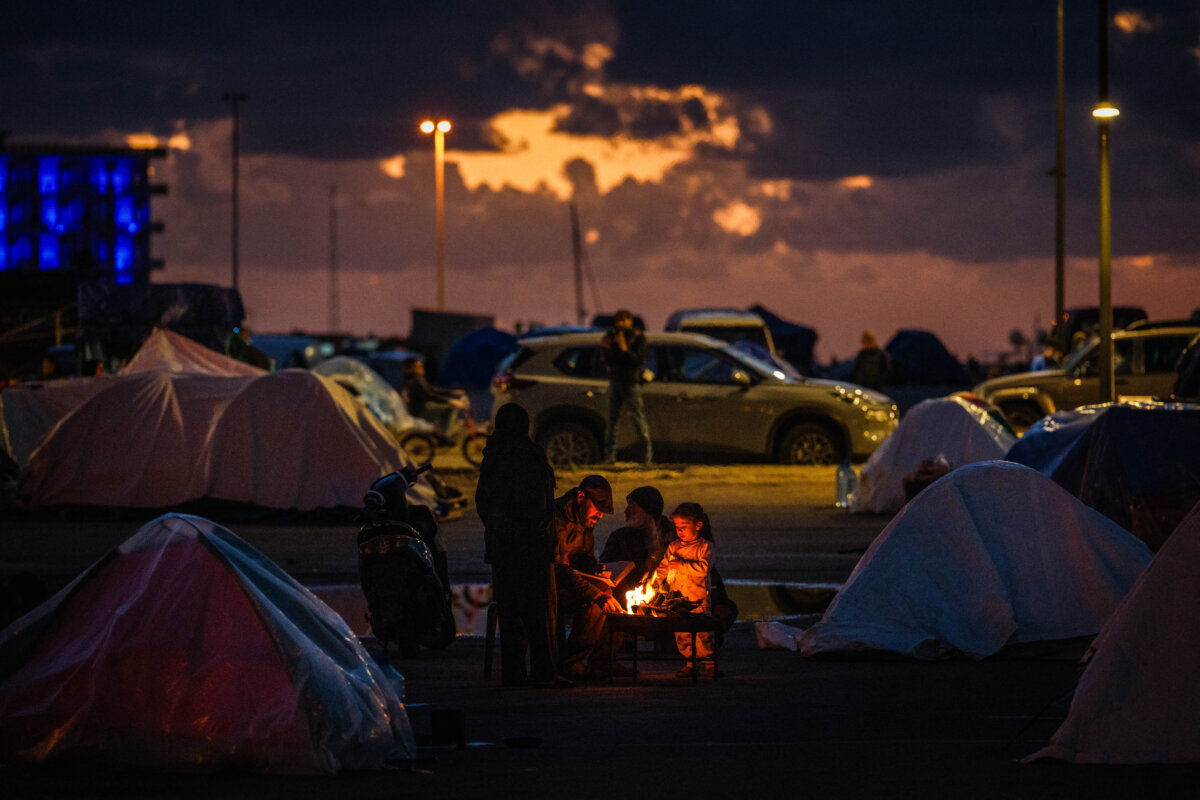
Before the deal was announced, Trump urged all sides to “stand down” from attacks in the Middle East.
The U.S. president issued a statement calling for the attacks to stop after the IDF struck a five-story apartment building and shopping area in a suburb of Beirut on June 14.
“This morning’s attack on Beirut should not have happened, particularly on a special day when we are so close to a Peace Deal with Iran,” Trump wrote in a Truth Social post late on the morning of June 14.
Tom Gantert, Jacki Thrapp, and Joseph Lord contributed to this report.
 Friends Read Free
Copy
Facebook
Tweet
Friends Read Free
Copy
Facebook
Tweet