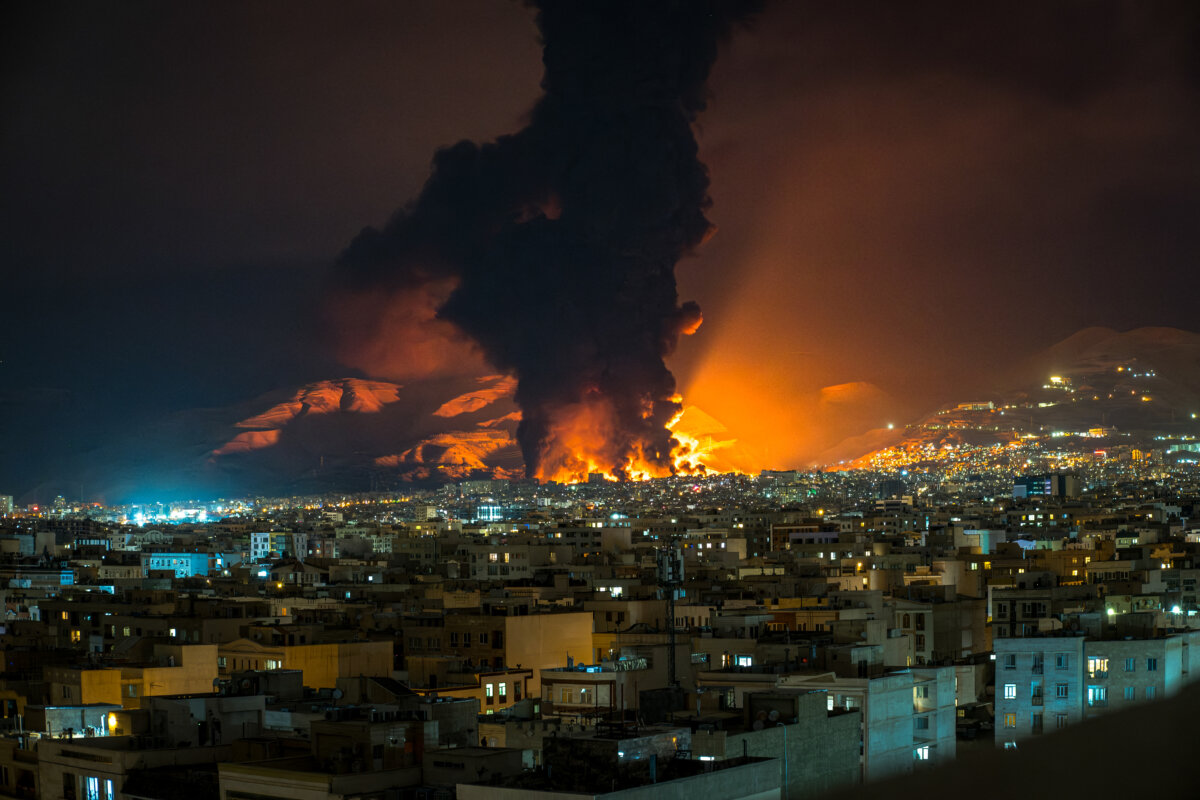

The war in the Middle East is triggering the largest supply disruption in the history of the global oil market, the International Energy Agency (IEA) said on March 12.
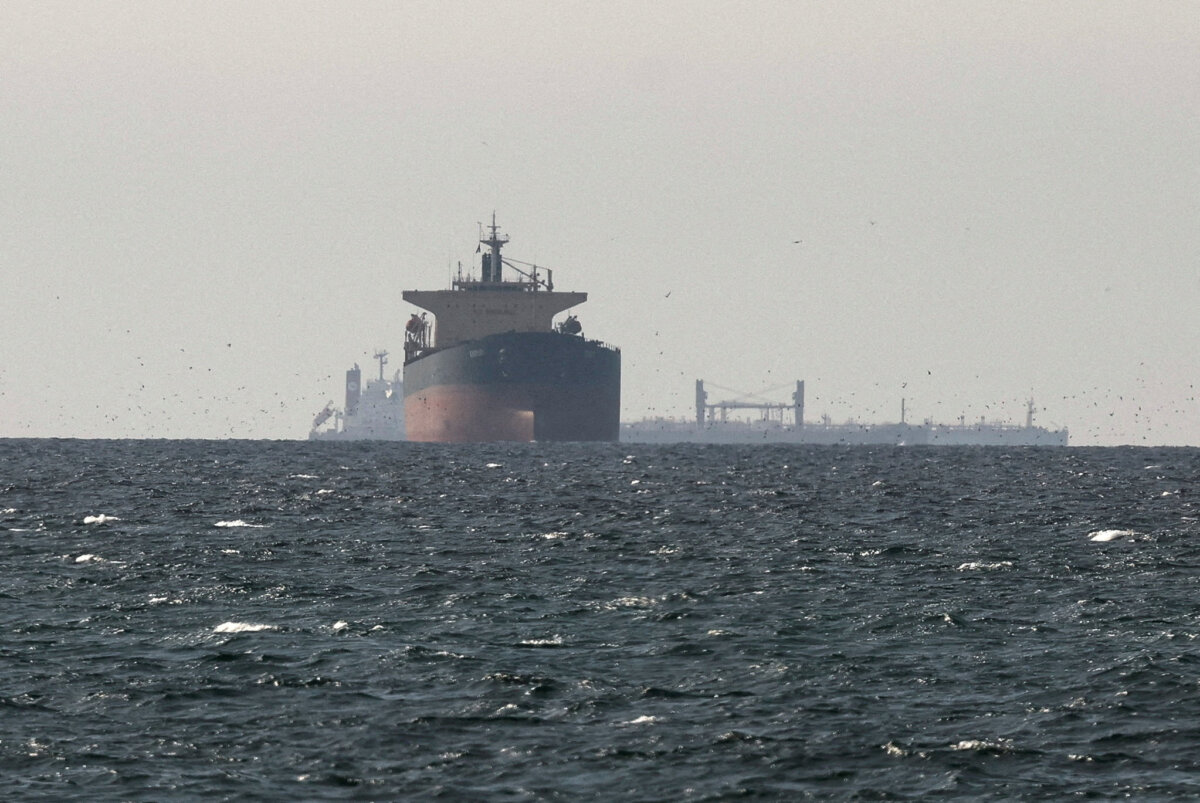
Crude and refined fuel shipments through the Strait of Hormuz have fallen from about 20 million barrels per day (mb/d) before the conflict to “a trickle,” the agency said in its oil market report.
The agency warned that losses could deepen if shipping does not resume quickly.
Since the outbreak of hostilities on Feb. 28, Brent crude briefly approached $120 a barrel before easing to about $92 a barrel at the time of the report, still roughly $20 higher for the month, the IEA said.
The report comes a day after IEA members agreed to release 400 million barrels of oil from reserves, in the largest withdrawal on record.
Each country will release emergency stockpiles over time, with some taking additional steps to curb surging global energy prices.
Global oil supply is expected to drop by about 8 mb/d in March, partly offset by higher output from non-OPEC+ countries, including Kazakhstan and Russia, the agency said.
Despite the near-term drop, the IEA estimates the global supply would still grow by 1.1 mb/d on average in 2026, driven entirely by producers outside OPEC+.
Strait of Hormuz Shipping
The United Kingdom Maritime Trade Operations (UKMTO) said on March 12 that since Feb. 28, it had received 20 reports of incidents involving vessels operating in and around the Arabian Gulf, the Strait of Hormuz, and the Gulf of Oman, including 16 attacks and four cases of suspicious activity.
Nearly 20 mb/d of crude and product exports are currently disrupted, the IEA report said. It added that a few alternatives to bypass the Strait of Hormuz chokepoint are viable.
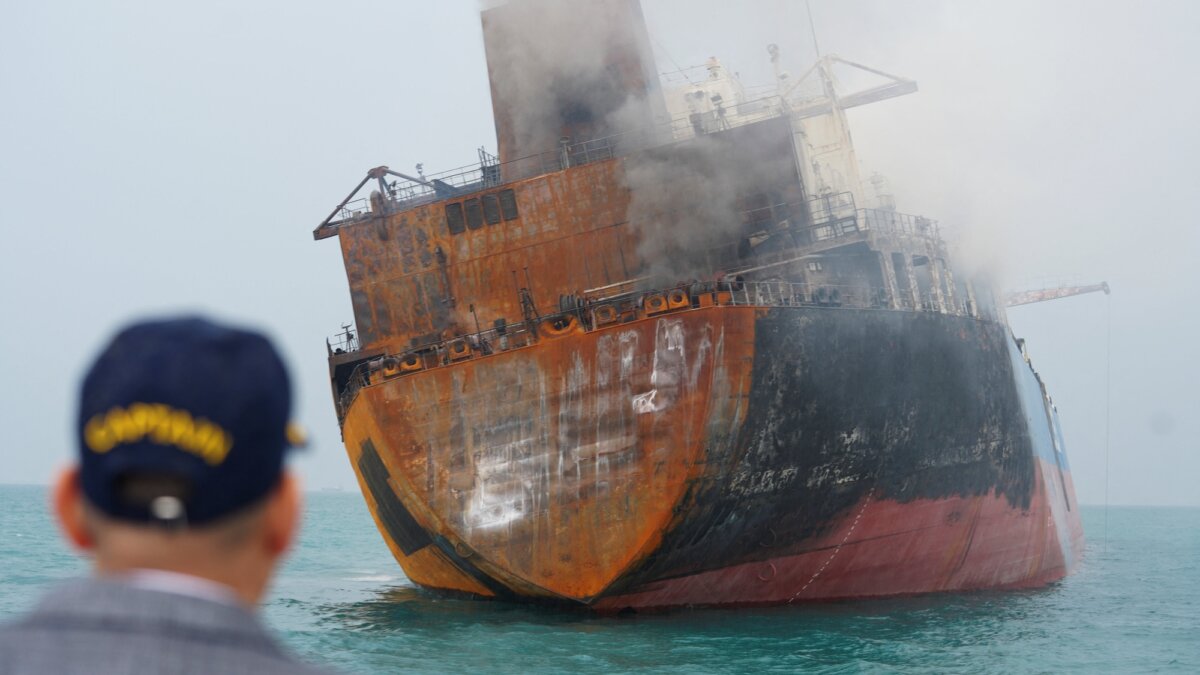
The agency estimated crude production has been cut by at least 8 mb/d, along with a further 2 mb/d of condensates and natural gas liquids, with major reductions in Iraq, Qatar, Kuwait, the United Arab Emirates, and Saudi Arabia.
“Producers in the region are reducing or shutting in production” because ships are unwilling or unable to load cargoes, the report said.
U.S. President Donald Trump addressed the situation on March 10, suggesting that oil companies should still use the Strait of Hormuz despite the Iran war.
“We took out just about all of their mines,” Trump told reporters as he left the White House.
US Strikes Mine-Laying Boats
U.S. forces destroyed 16 Iranian mine-laying boats near the Strait of Hormuz on March 10, according to the Pentagon.
The minelayers were among multiple Iranian naval vessels “eliminated” by the United States, U.S. Central Command stated in a post on X.
In a March 10 post on social media, Trump warned Tehran that if “for any reason mines were placed, and they are not removed forthwith, the military consequences to Iran will be at a level never seen before.”
The IEA said restoring tanker movements through the Strait of Hormuz is critical to stabilizing markets.
Insurance coverage and physical protection for vessels will be key factors determining whether traffic resumes.
“The ultimate impact … will depend not only on the intensity of military attacks … but also, crucially, on the duration of disruptions to shipping through the Strait of Hormuz,” the report said.
Fuel Markets, Air Travel Disruptions
The conflict has also disrupted fuel markets beyond crude oil, shutting refineries and gas processing plants due to attacks or safety concerns, the IEA said.
With those flows largely halted, diesel and jet fuel markets appear especially vulnerable, the agency said, noting limited spare refining capacity elsewhere.
Regional airspace across much of the Middle East remained heavily restricted on March 12, according to Flightradar24.
Its March 12 update said that Qatar’s airspace was closed to most flights except approved emergency traffic, while the United Arab Emirates required special permission for operations, with airlines running reduced schedules.
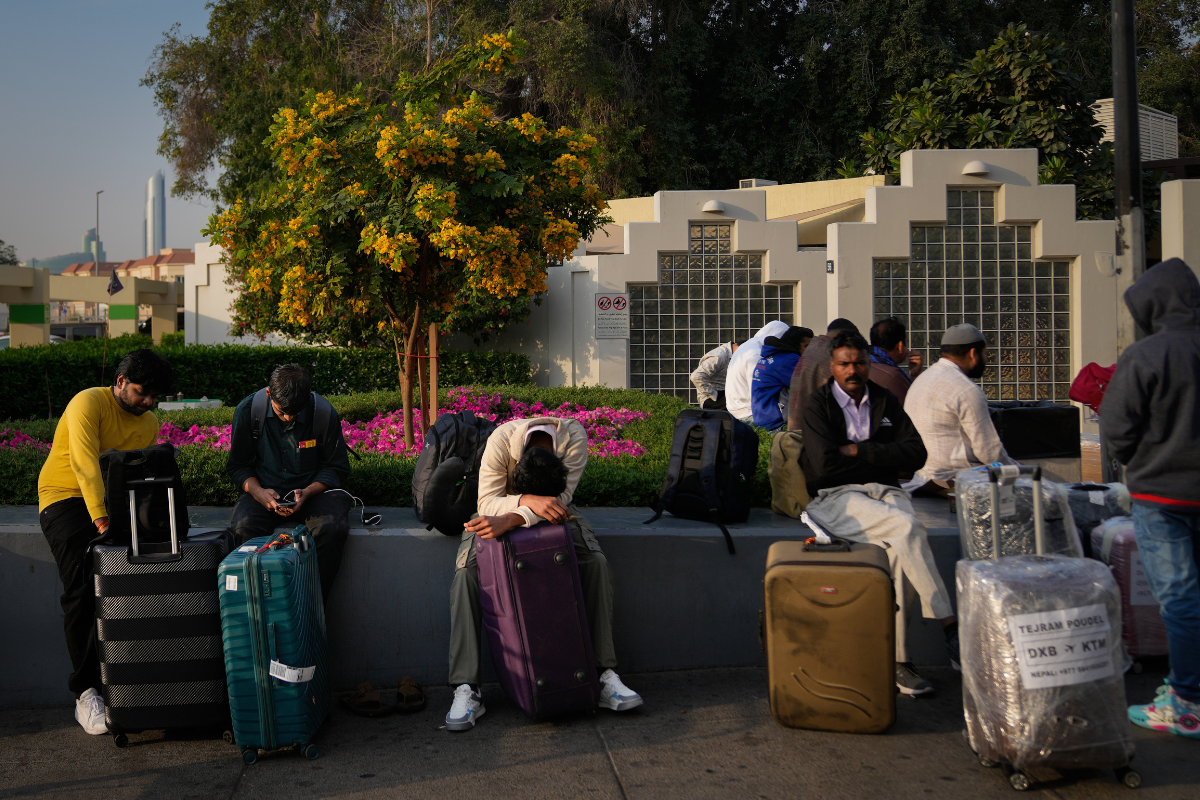
Bahrain, Iraq, and Kuwait closed their airspace entirely, according to the Flightradar24 update. Iran, Israel, and Syria closed their airspace with limited exceptions. Saudi Arabia imposed a partial closure near Iraq and the Persian Gulf. Qatar and the United Arab Emirates restricted traffic through emergency control zones. Most measures expire between March 12 and March 16.
The IEA said that widespread travel disruptions and higher prices are expected to reduce global oil demand by about 1 mb/d in March and April compared with previous forecasts.
The agency now expects global oil consumption to grow by only 640,000 barrels per day in 2026, down by 210,000 barrels per day from last month’s estimate.
 Friends Read Free
Copy
Facebook
Tweet
Friends Read Free
Copy
Facebook
Tweet