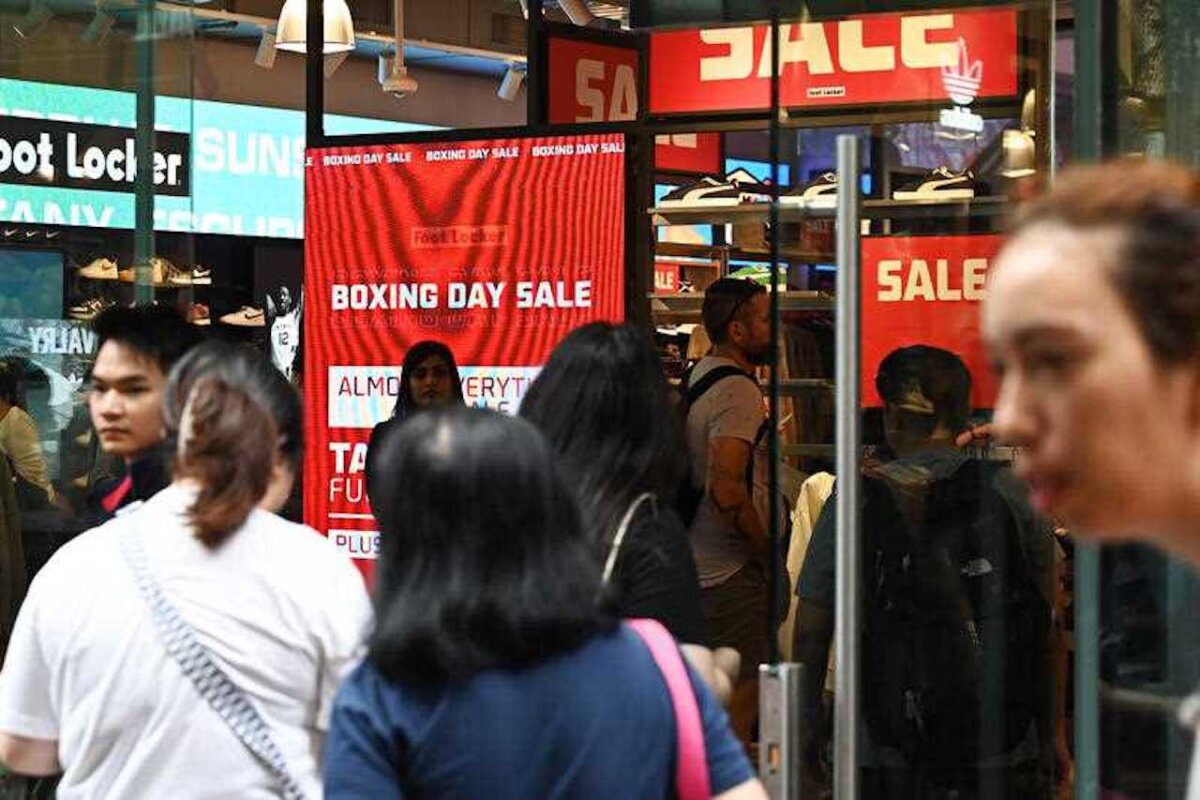

Different retail laws across Australia’s states and territories are expected to cost households $9.4 billion (US$6.7 billion) and the entire economy $26 billion over the next decade.
The Australian Retail Council (ARC) released a study exposing what it says is a “hidden tax” on businesses and households in the form of regulatory inconsistency between jurisdictions.
The peak body argued that it reduces productivity and investment while inflating consumer prices.
“Retailers operating interstate are forced to run parallel compliance systems, fragmented logistics models and jurisdiction-specific supply chains,” said ARC CEO Chris Rodwell, in a statement.
“Businesses are spending more time and money navigating different rules when they could be investing in jobs, innovation and growth.”
In contrast, a one percent gain in retail productivity would add $3.2 billion to the country’s GDP and save shoppers $1.3 billion by reducing the costs passed on by retailers, while also creating approximately 13,000 additional jobs across the economy, the report (pdf) claimed.
Retail is currently the second-largest private sector employer in Australia, providing one in every six jobs for young people and generated around $649 billion revenue for the economy in the 2023-24 financial year.
What Are the Hidden Costs?
Transport and logistics, and environment and waste regulation are among the major drivers of avoidable costs, according to the ARC.
The peak body said different heavy vehicle standards and accreditation regimes, duplicate fatigue management rules, delivery curfews, container deposit schemes, and single-use plastics rules could be harmonised to generate substantial savings.
The organisation’s chief economist and policy officer, Glenn Fahey, noted that unless governments tackle these inefficiencies, unnecessary price pressures will persist.
“Right now, a truck carrying a legal load in Sydney can be forced to stop at the border and transfer that load onto a different vehicle simply to continue to Brisbane,” he explained.
“Retailers are sourcing different packaging and coffee cups for different states. Delivery schedules are dictated by mismatched local rules and different council curfews. This friction ultimately ends up in the price on the shelf that every Australian pays.”
Retailers said the compliance costs of Commonwealth regulations alone have increased to more than $160 billion every year, up from just $65 billion a decade ago.
When state and territory requirements are added, the total regulatory compliance burden soars to $240 billion per year.
“For a national sector like retail, fragmentation is a powerful handbrake on productivity,” the ARC said.
The peak body recommended that the government allocate $260 million from the National Productivity Fund to create a dedicated retail harmonisation incentive scheme and establish a National Harmonisation Council to drive cross-jurisdictional decision-making and delivery.
“This has been done before, and we can do it again,” Rodwell said. “Our action plan draws directly from the National Competition Policy reforms of the 1990s. Those reforms added 2.5 percent to GDP and $5,000 to household incomes.”
“The blueprint exists. What’s required now is political commitment.”
 Friends Read Free
Copy
Facebook
Tweet
Friends Read Free
Copy
Facebook
Tweet