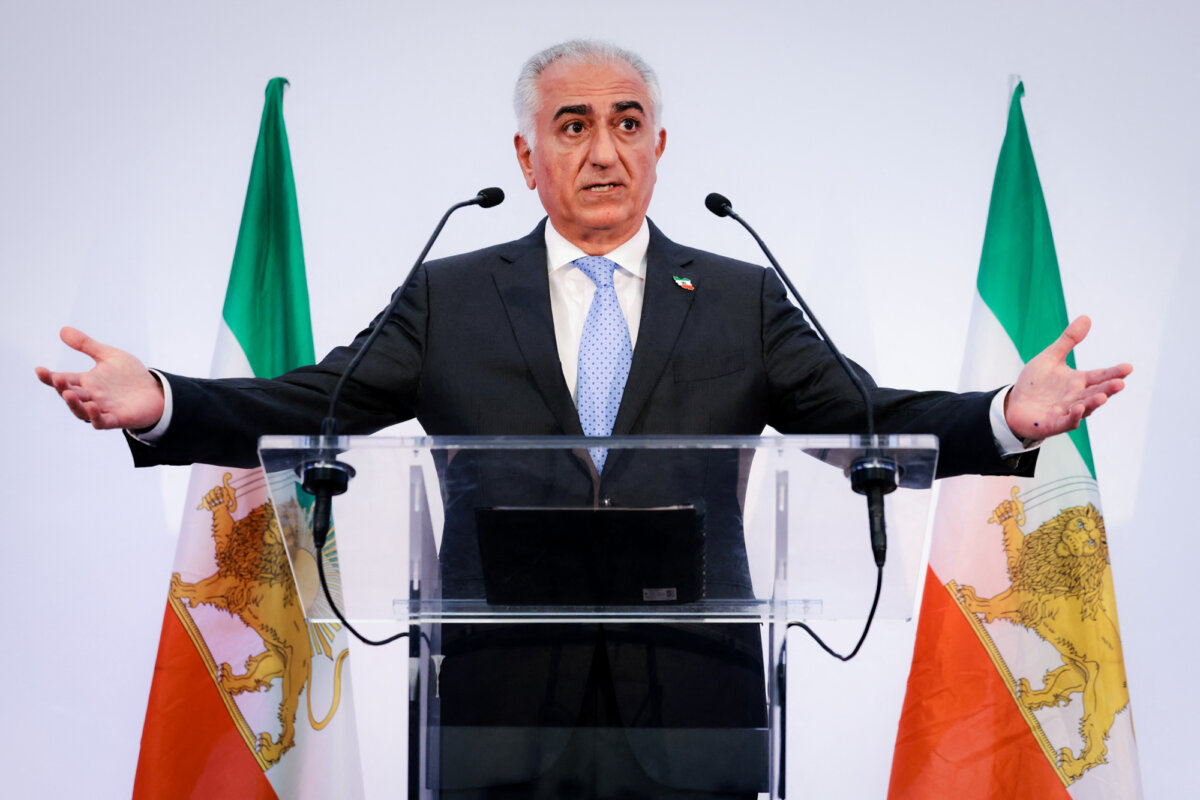

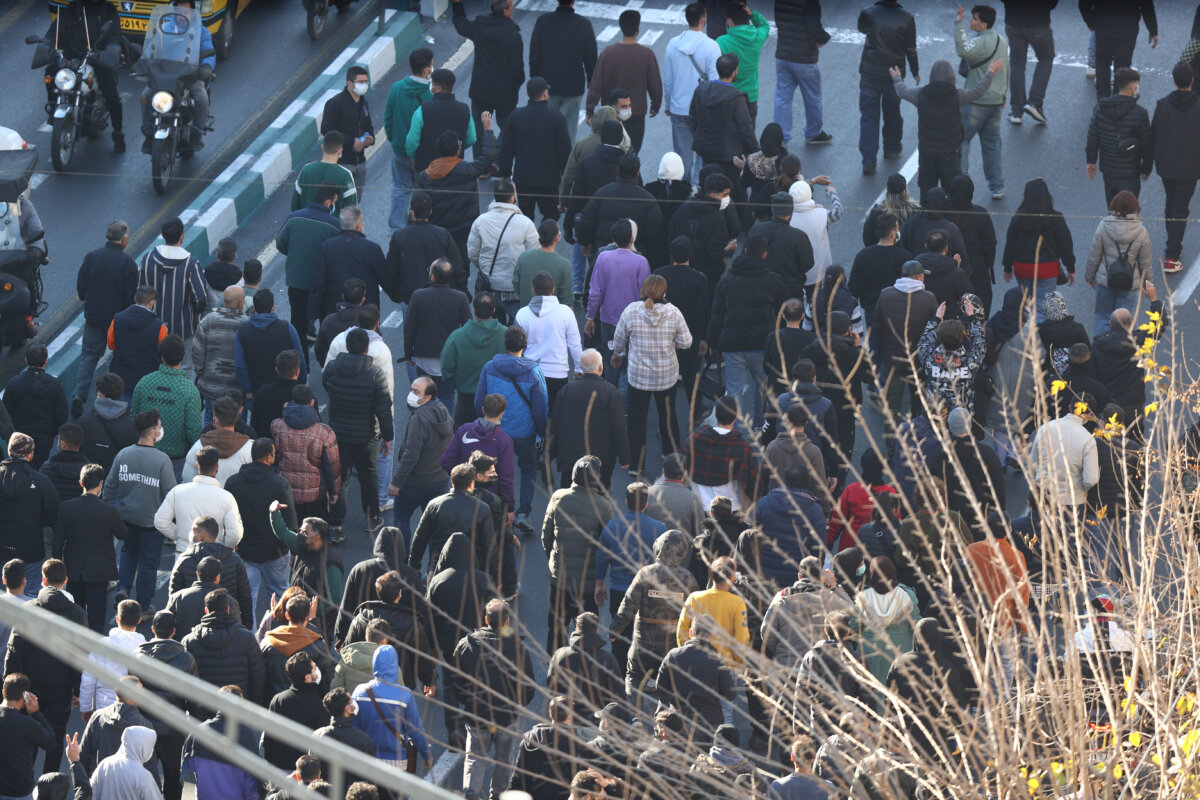
Internet and phone outages were reported across Iran on Jan. 8, as protests continued following a call from the nation’s exiled prince.
Demonstrations have erupted across the country for days, initially over economic troubles. The protests escalated to calls for the overthrow of the regime presided over by Iranian leader Ayatollah Ali Khamenei.
Reza Pahlavi, the exiled son of the shah who was toppled in the 1979 Islamic Revolution, urged further protests in a Jan. 7 video post on X.
“My fellow countrymen, today, Jan. 7, your presence across Iran was unprecedented. And this constitutes a declaration of readiness for tomorrow’s plan,” Pahlavi said in the video, according to an English translation.
“Of course, reports have reached us that the regime is terribly frightened and is attempting, once again, to cut off the internet. Know that our communication will not be severed. Whether through hundreds of thousands of Starlink devices in Iran, or through the Iran International and Manoto television networks.”
Pahlavi said the plan would “drive another nail into the coffin of this regime.”
In a Jan. 9 post on X, he stated: “I am proud of each and every one of you who took to the streets across Iran on Thursday night.” He called for those who didn’t attend to join the protestors on Jan. 9.
Iranian state media said cities across the country were calm, according to IranWire.
Khamenei on Jan. 9 accused the protestors of acting on behalf of U.S. President Donald Trump, saying rioters were attacking public property. He warned that Tehran would not tolerate people acting as “mercenaries for foreigners.”
“Last night in Tehran, a bunch of vandals and rioters came and destroyed a building that belonged to the state, to the people themselves, just to please the heart of the President of the United States,” Khamenei said, urging Trump to “manage your own country.”
Trump has previously warned that the United States would intervene in Iran if authorities used lethal force on protestors.
“If they start killing people like they have in the past, I think they’re going to get hit very hard by the United States,” Trump said on Jan. 4.
The current protests, the biggest wave of dissent in three years, began last month in Tehran’s Grand Bazaar with shopkeepers condemning the free fall of the rial, Iran’s currency.
They have not yet reached the scale of the 2022 demonstrations over women’s rights following the death in custody of Kurdish woman Mahsa Amini.
In a Jan. 8 statement, Human Rights organization Amnesty International accused the Iranian regime of unleashing a “deadly crackdown on protestors across the country” since December, saying security forces have exercised “unlawful use of force and firearms and mass arbitrary arrests.”
“Security forces, including the Islamic Revolutionary Guard Corps (IRGC) and Iran’s police force, known by its Persian acronym FARAJA, have unlawfully used rifles, shotguns loaded with metal pellets, water cannon, tear gas and beatings to disperse, intimidate and punish largely peaceful protesters,” Amnesty International said.
U.S.-based Human Rights Activists News Agency (HRANA) has put the death toll of the protests at 42, including 5 under 18s and 8 security personnel or officers. The agency says that more than 2,277 people have been arrested as of Jan. 8.
Reuters contributed to this report.
 Friends Read Free
Copy
Facebook
Tweet
Friends Read Free
Copy
Facebook
Tweet