
Australia’s internet watchdog claims the social media giants are “turning a blind eye” to online child sexual exploitation or abuse (CSEA) material on their platforms.
eSafety Commissioner Julie Inman Grant said a new report from her office shows that “minimal progress has been made by some of the most well-resourced companies in the world to tackle this urgent issue, despite previous eSafety reports in 2022 and 2023 showing not enough was being done.”
She particularly singled out Apple and Google-owned YouTube for failing to track the number of user reports they received about such content appearing on their platforms and for being unable to specify how long it took them to respond to such reports.
On July 30, the federal government announced YouTube would be included in its plan for a world-first social media ban for children and teenagers, following the commissioner’s lobbying to overturn its planned exemption.
The U.S. National Centre for Missing and Exploited Children estimates there were reports of more than 18 million unique images and 8 million videos of online sexual abuse filed in 2022.
No Improvement Since 2022
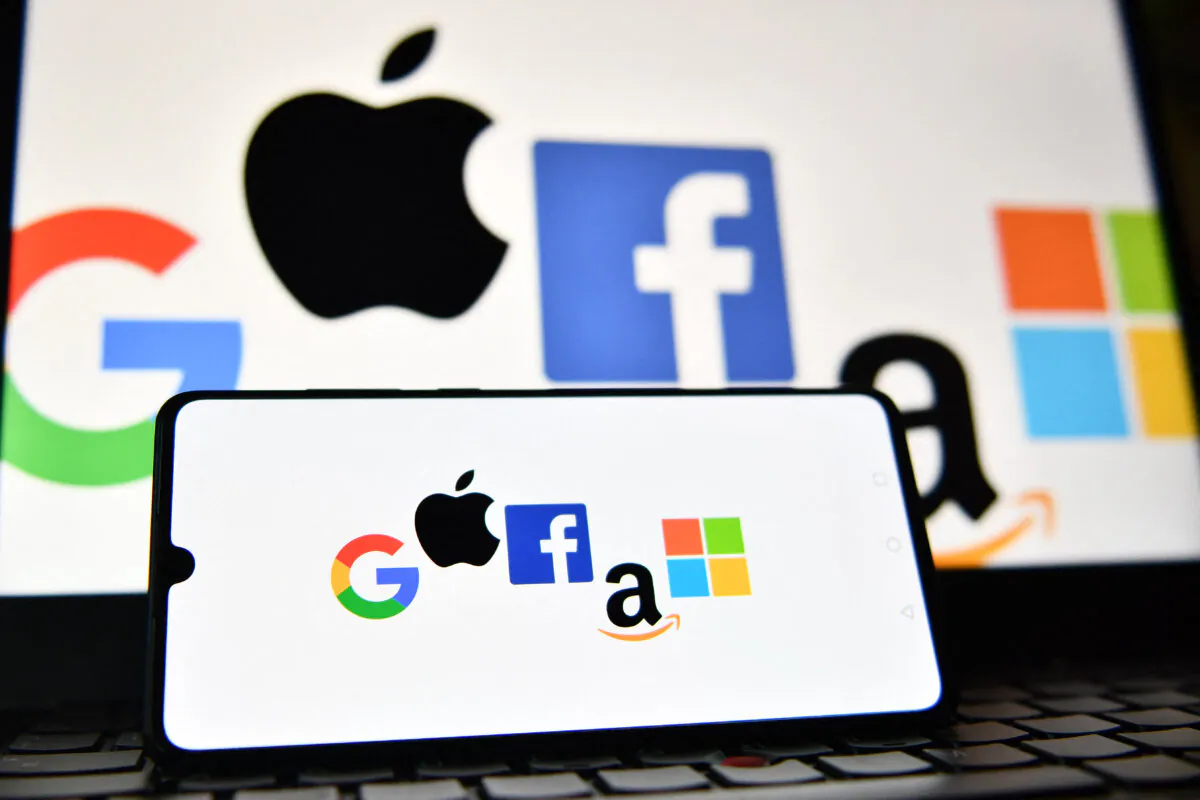
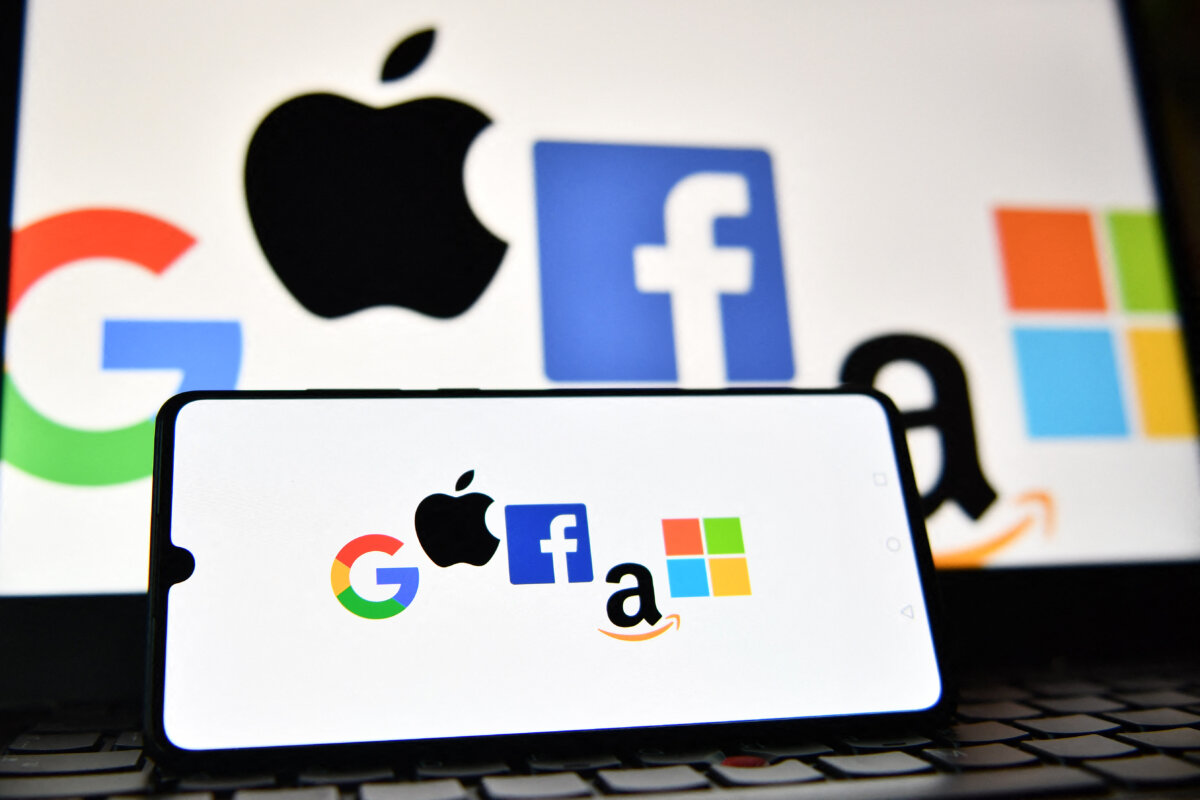
In July last year, the commissioner’s office issued what it describes as “legally enforceable periodic transparency notices under Australia’s Online Safety Act” to eight companies, including Apple, Google, Meta, Microsoft, Discord, WhatsApp, Snap, and the now-retired Skype.
The notices require each company to report to eSafety every six months for a period of two years about how they are tackling child sexual abuse material—both real and AI-generated—livestreamed child abuse, online grooming, and sexual extortion.
“This latest report shows many of the same safety gaps and shortcomings we uncovered in our 2022 and 2023 reports still exist today without any meaningful or tangible action being taken to prevent the most depraved abuse of children and young people online,” Inman Grant said.
“It is clear to me that during the last two to three years since we asked these companies how they are tackling online child sexual abuse, they haven’t taken many steps to lift and improve their efforts here, despite the promise of AI to tackle these harms and overwhelming evidence that online child sexual exploitation is on the rise.”
This showed that without pressure, companies do not prioritise the protection of society’s most vulnerable members, she said.
“This group of eight companies are required to report to me every six months, and in that time, I hope and expect to see some meaningful progress in making their services safer for children,” she added.
The report says none of the providers subject to the notices used tools to detect CSEA livestreaming, while Apple, Discord, Google, and Microsoft did not use hash matching on all parts of their services to detect known child sexual exploitation and abuse material. Hash matching is a form of digital “fingerprinting” that detects copies of previously identified CSEA material at very high levels of accuracy.
Apple, Google, and WhatsApp did not block web links to known CSEA material on any part of their services. Discord only scanned for links contained in user reports.
Senate Inquiry Blocked
Apple, Google, Microsoft, Snap, and Skype were still not proactively using tools to detect new CSEA material, a problem that had been highlighted in eSafety’s previous reports in 2022 and 2023. Nor did those platforms, or WhatsApp, use tools to detect grooming.
There were also no efforts to use tools to detect sexual extortion of adults or children deployed by Apple, Discord, Google, Microsoft, Skype and Snap.
“No other consumer-facing industry would be given the licence to operate by enabling such heinous crimes against children on their premises, or services,” Inman Grant said.
Last week, the eSafety Commissioner avoided being the subject of a Parliamentary inquiry after Labor, the Greens, and the crossbench united to block a motion by Senators Ralph Babet and Malcolm Roberts.
The inquiry would have examined the “scope and accountability” of the eSafety Commissioner in administering the Online Safety Act, and would have required Inman Grant to appear before the Senate and explain her expanding powers to police the internet.
 Friends Read Free
Copy
Facebook
Tweet
Friends Read Free
Copy
Facebook
Tweet