From hate-speech legislation to the social cost of voicing unpopular views, Canadians face growing pressure over what they can say publicly, a series of speakers at a Calgary free speech conference said.
Will Witt, an American author and contributor to conservative advocacy group Turning Point USA, told the audience that recent legislation, combined with the social consequences of expressing unpopular views, is leaving conservatives fearful of speaking their minds.
“It takes a bravery of the people to actually make that truth be heard,” Witt said at the Reclaiming Alberta Conference, organized by advocacy group We Unify.
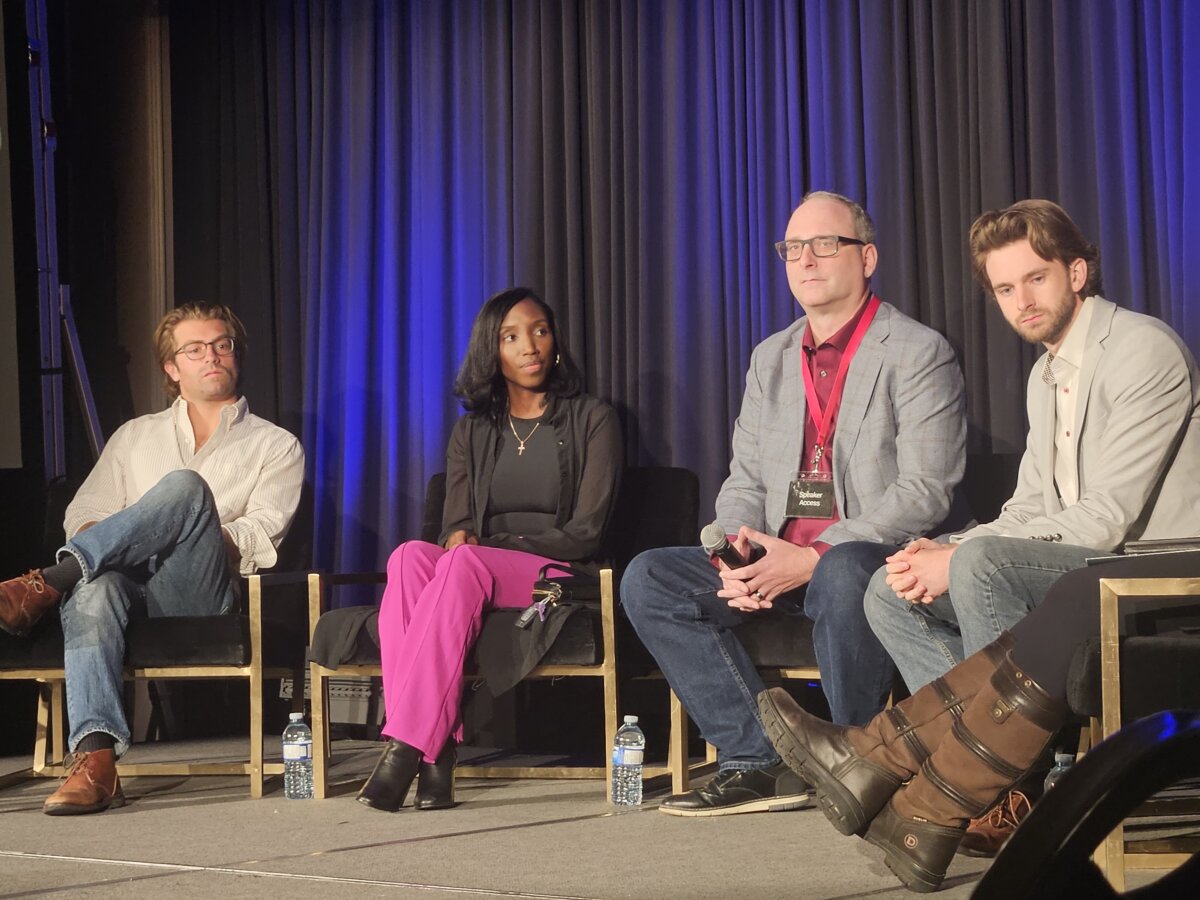
The two-day conference on Oct. 3 and 4 focused on free speech, individual rights, and the future of Western society. The event featured speakers ranging from lawyers and journalists to political figures, activists, and religious leaders.
Witt said he often meets young conservatives who are hesitant to express their beliefs because they fear negative social consequences or losing friends. He said he tells them that losing friends and experiencing hardship comes with the territory, and they have to be mentally prepared for that.
“You are going to have people who hate you for the things that you believe in, and you have to be ready for that,” he said. “If you think that you can just speak the truth, and have no consequences for it, you’ve got another thing coming.”
Witt and other speakers at the event also argued that Canada’s laws around free expression are making the situation more tenuous.
Jason Lavigne, a journalist, cited the federal government’s Bill C-9, also known as the Combatting Hate Act, which took effect July 18. The law amended the Criminal Code to create a new hate-motivated crime offence and an offence targeting the willful promotion of hatred through the public display of certain terrorism or hate symbols. It also repealed a previous defence for certain hate-propaganda offences based on the good-faith expression of a religious belief.
Lavigne said he was “incredibly concerned” about the law and said it could stifle the free religious expression of pastors and Christians.
Pastor Craig Buroker, whose Southside Victory Church in Calgary defied COVID-19 closure requirements, said the pandemic measures, in his view, heightened awareness of threats to freedom of speech and religious conscience.
“As the persecution has grown and our government makes these horribly egregious laws, the church has started to wake up,” he said. “It’s good to see pastors starting to go. ‘Okay, wait a minute here. You mean what? You mean I can’t say what?’”
The federal government says Bill C-9 does not criminalize religious teachings and beliefs and that the offences carry a high legal threshold, requiring proof that a person wilfully promoted hatred against an identifiable group. The law also specifies that a statement does not promote hatred solely because it “discredits, humiliates, hurts or offends.”
Josh Senneker, executive director of the recently formed pro-free speech campus organization Onward Canada, said he’s most concerned that C-9 could leave people afraid to share their thoughts on important subjects with youth.
“I think the more significant threat is the chilling effect that it could have on speech of people who could have a conversation with that young individual who needs to hear the truth and say, ‘maybe I’m not going to do that because the law doesn’t want me to,’” Senneker said.
Michael Wing contributed to this report.
 Friends Read Free
Copy
Facebook
Tweet