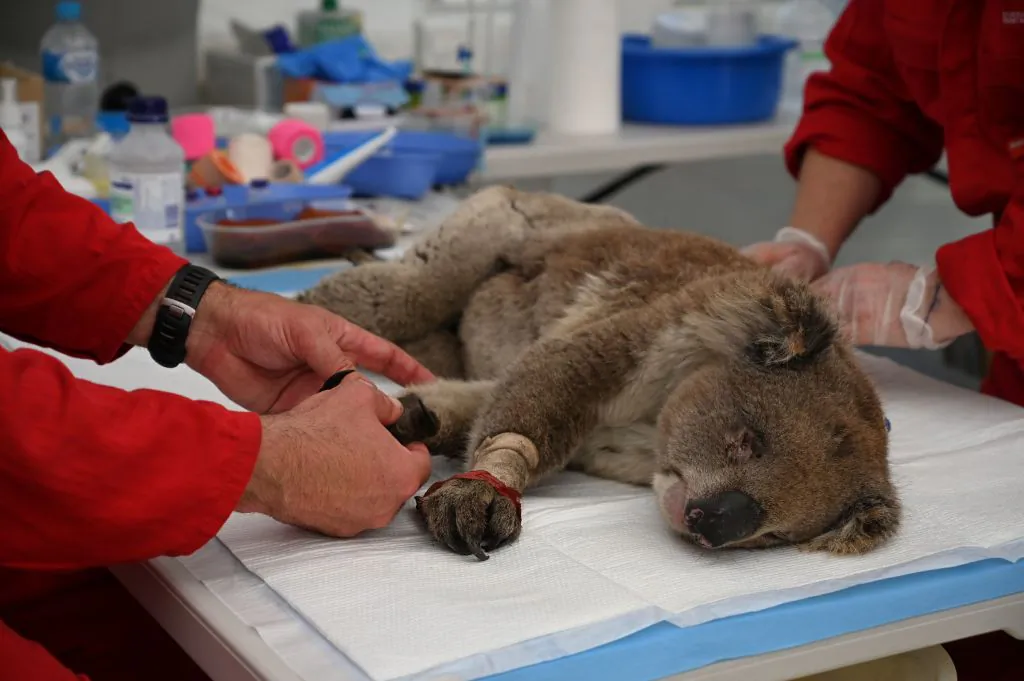

Koalas admitted to veterinary hospitals on the Australian east coast are at a high risk of euthanasia, according to recent research.
A University of Queensland (UQ) study analysed records of over 50,000 koala sightings and hospital admissions from 1967 to 2019 and found that euthanasia was the most common outcome.
An author of the study, Renae Charalambous, said that just 25 percent of koalas rescued and admitted to hospitals went on to be released into an appropriate habitat.
“Many of the animals died before arriving at a vet hospital and those that did make it were often euthanised on the grounds of welfare, despite vets and carers doing their best to save them,” she said.
The study revealed that female koalas, adult koalas, and those with chlamydia were at a higher risk of being euthanised.
Decline of East Coast Koalas
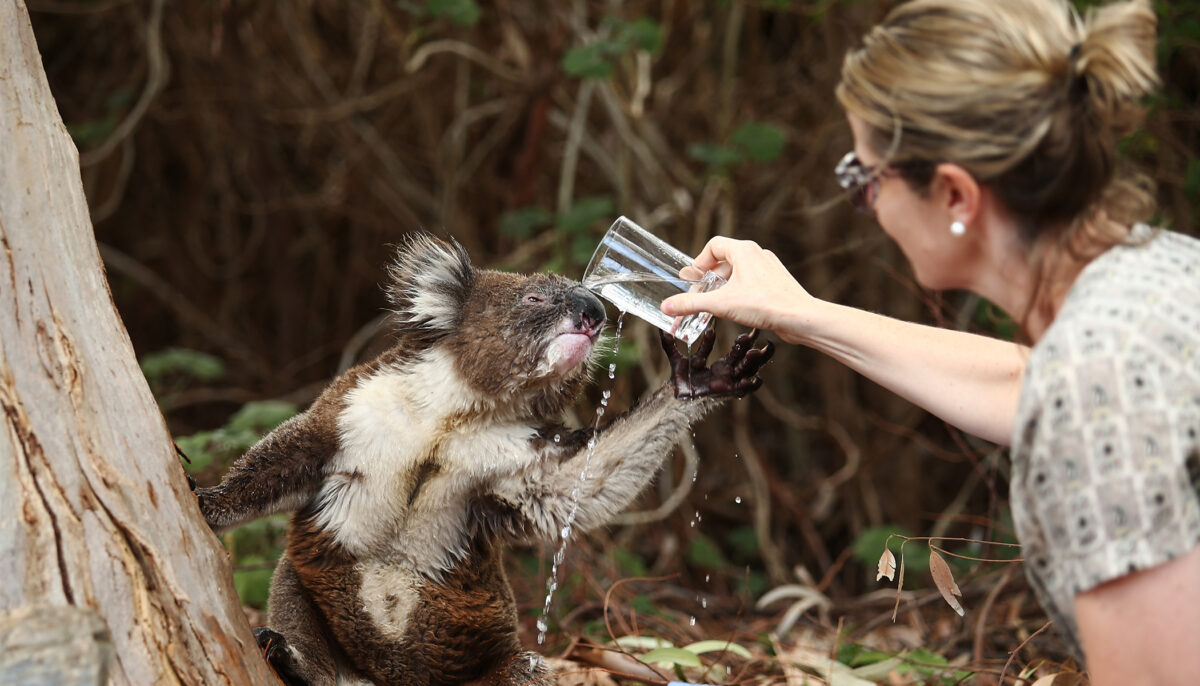
In 10 years, East Coast koalas have moved from no conservation status to vulnerable in 2012 and endangered in 2022.
Their endangered status followed rampant bushfires in 2019 and 2020 that killed an estimated 6,400 koalas in New South Wales (NSW) alone.
The 2020 Legislative Council Inquiry into NSW koala populations and their habitats concluded that if action was not taken NSW koalas could become extinct by 2050.
Outside of the bushfires, the World Wildlife Foundation accredits the rapid decline of koalas to threats such as land clearing, drought, car strikes, dog attacks, and disease. Several of these concerns are driving reasons for koala hospital admissions on the East Coast.
Hospital Admissions
Charalambous said diseases like chlamydia comprised around 30 percent of admissions followed by various threats linked to habitat loss such as dogs and motor vehicles.
The study found that only around 20 percent of admitted koalas had been struck by a car, but koalas in this situation were four times more likely to be found dead than to receive vet treatment and release.
“Those that made it to an animal hospital after car strike were almost three times more likely to be euthanised than released,” Charalambous said.
Dog attacks caused only 7 percent of koala admissions, but koalas who suffered dog attacks were twice as likely to be found dead and, if taken into care alive, twice as likely to be euthanised than released.
What Can Be Done?
Charalambous hopes this research will illuminate policy gaps so decision-makers can target intervention strategies to save the remaining koala population on the East Coast.
“These are pretty grim statistics so the future for koalas looks bleak,” she said.
However, Charalambous also said it is not too late to restore the healthy koala populations in the region, stating that this is a great opportunity to address and minimise threats.
This report comes as the NSW government examines their approach to the NSW Koala Strategy.
The strategy aims to deliver targeted investment and action to secure habitat, support local conservation, reduce threats, and improve knowledge. However, the government intends to gather perspectives on its current approach to identify future conservation priorities and gaps.
 Friends Read Free
Copy
Facebook
Tweet
Friends Read Free
Copy
Facebook
Tweet