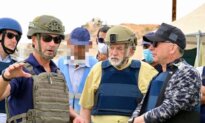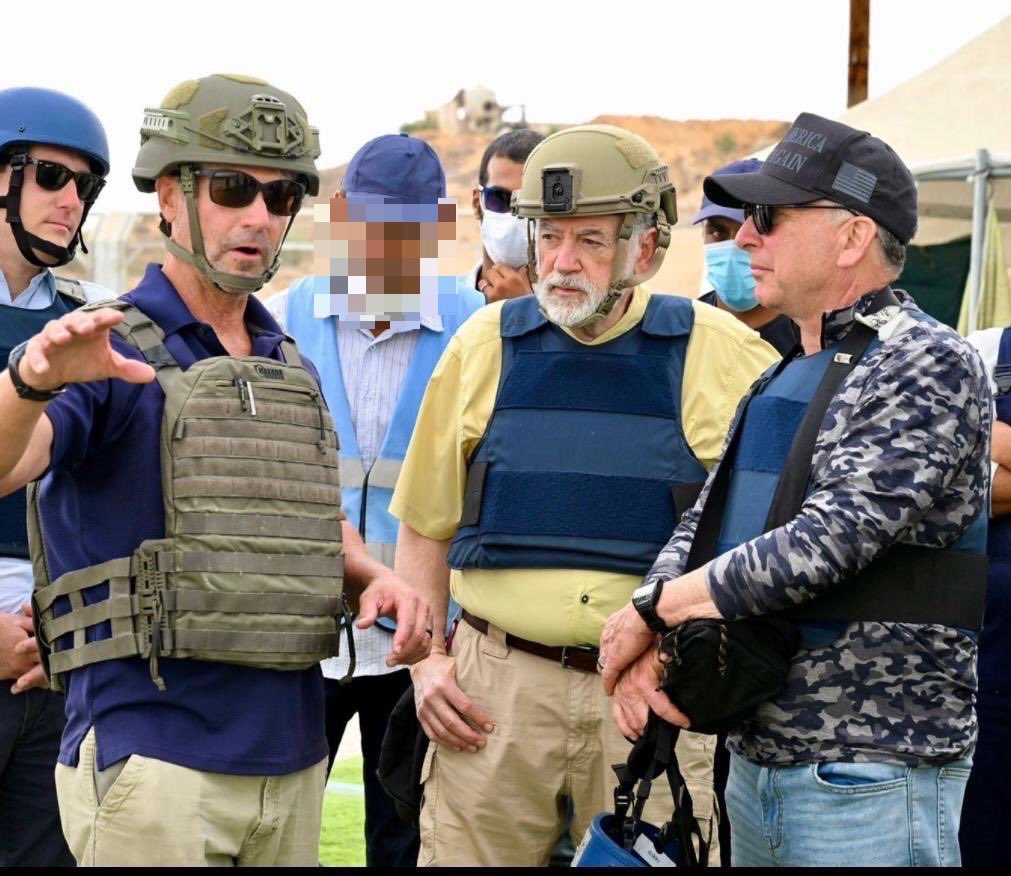

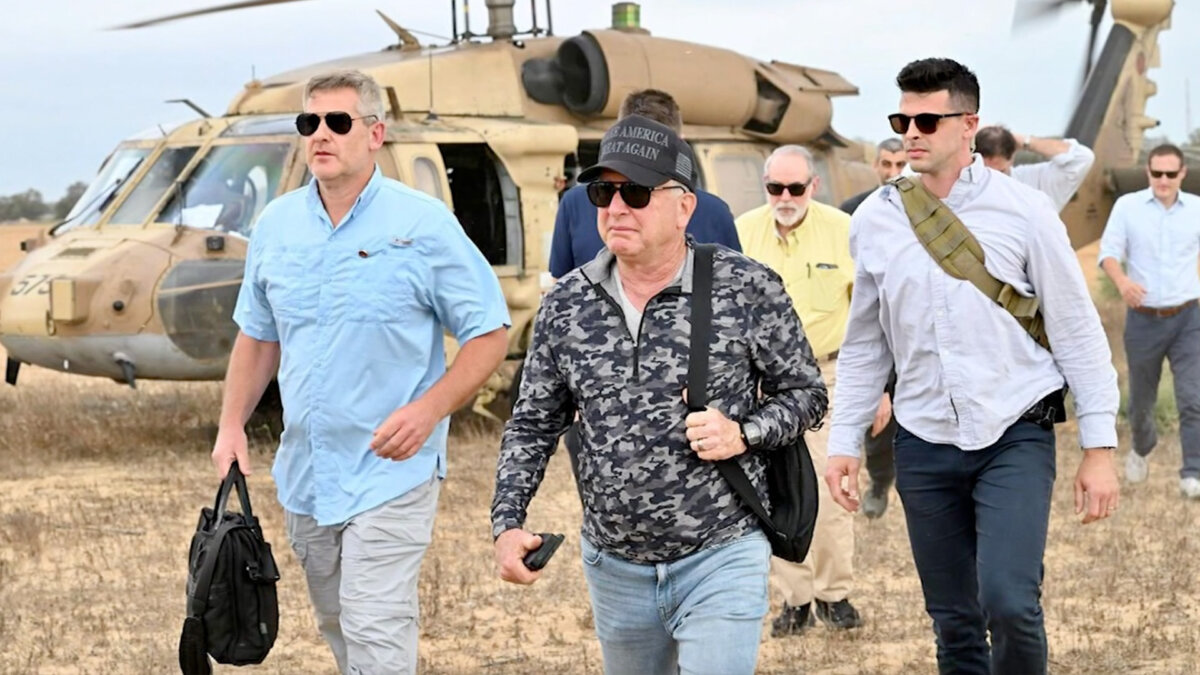
President Donald Trump’s son-in-law Jared Kushner and U.S. special envoy to the Middle East Steve Witkoff have revealed new details about the negotiations that led to the current cease-fire between Israel and Hamas in Gaza.
In a wide-ranging interview with CBS’s “60 Minutes” that aired on Oct. 19, the two discussed Trump’s direct involvement in shaping a 20-point peace framework and the continuing challenges of rebuilding Gaza under the postwar agreement.
The interview follows a cease-fire deal that resulted in the release of all living Israeli hostages held by Hamas, while Israel released about 2,000 Palestinian prisoners and detainees.
Despite Israel Defense Forces (IDF) strikes last week in response to alleged Hamas violations of the U.S.-brokered cease-fire deal and alleged breaches of the “yellow line” marking Israel’s agreed withdrawal limit on Oct. 20, both Trump and the IDF say the cease-fire is still in effect.
Witkoff and Kushner arrived in Israel on Oct. 20 to continue diplomatic efforts aimed at stabilizing the agreement, while Vice President JD Vance is scheduled to visit the country on Oct. 21.
Pragmatic Diplomacy and Qatar
In the “60 Minutes” interview, Kushner said that Trump’s foreign policy was rooted in “pragmatic realism” and making deals, while Witkoff said Trump’s leadership style allowed them to act decisively.
“He delegates well,” said Witkoff.
“He gave us a lot of authority to negotiate. He felt he understood the dynamics of it. We put him in the room. We explained it to him, I think thoroughly.”
After the Israeli air strike on Doha, Qatar, on Sept. 9, which Kushner said “violated a lot of the trust” from the Israeli side, he and Witkoff decided that a new approach was needed.
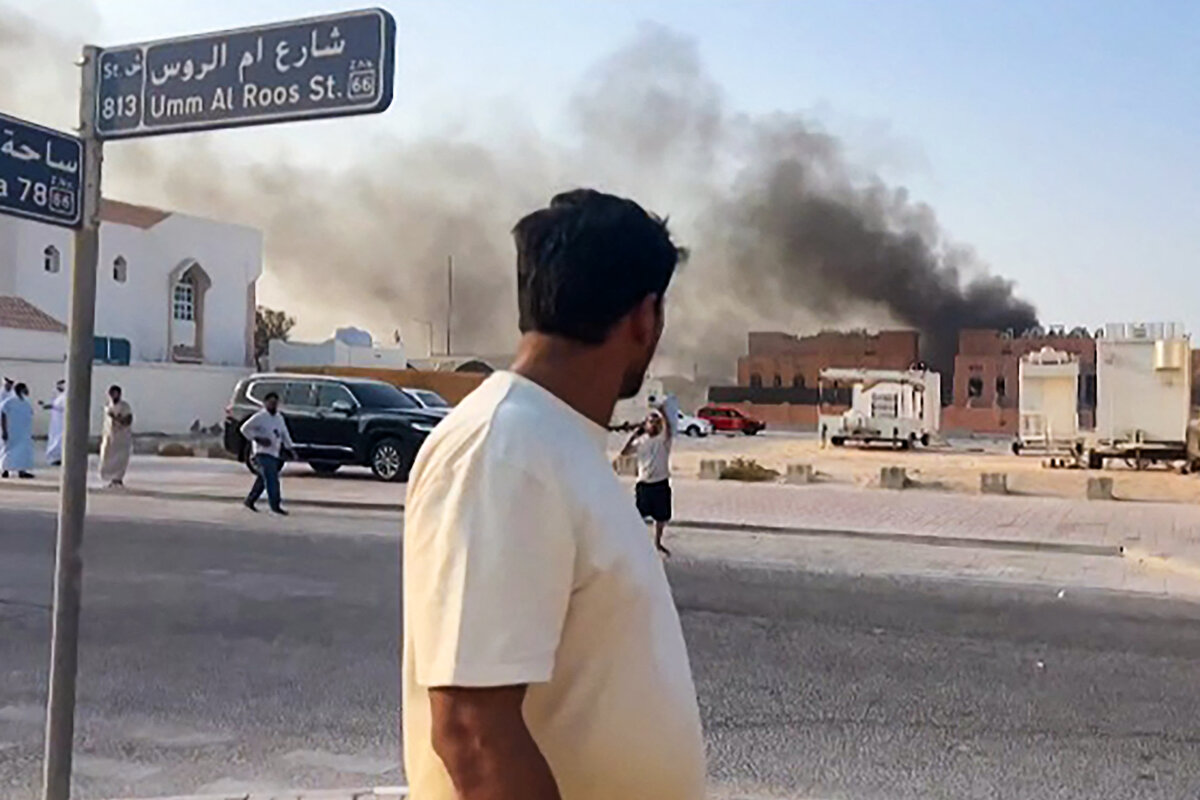
The duo viewed the incident as a setback, but also as an opportunity to rethink their strategy.
“We decided to take the previous cease-fire proposal and then the end-of-war proposal that we’d been working on, and merge it together into one document, and then focus on seeing if we can get the Qataris and the Arab world onboard,” Kushner said.
The plan was presented to and backed by Trump, who urged them to push hard to align the Arab world before bringing Israel on board to reshape the negotiations.
Witkoff also noted that after the strike, Trump urged Israeli Prime Minister Benjamin Netanyahu to issue an apology to Qatari Prime Minister Mohammed bin Abdulrahman Al Thani for violating Qatari sovereignty.
“That apology was pivotal. It was the linchpin that got us to the next place. It was really, really important that it happened,” said Witkoff.
Crafting the 20-Point Peace Plan
Witkoff said the 20-point peace framework was designed to absorb Netanyahu’s five principles to end the war, but also created points “where Hamas felt that they were being heard.”
Having Arab states endorse the proposal, Kushner said, “changed the entire global dynamic,” isolating Hamas instead of Israel.
“So the Qataris, the Turks, and the Egyptians all went in together to sit with Hamas and said, ‘It’s time to make this deal, and let’s figure out what we really need to make it in a way where you could have the assurances you need to feel like it can be successful,’” Witkoff said.
Kushner and Witkoff said Trump authorized them to meet directly with Hamas negotiators. Witkoff called the move “courageous,” saying that saving lives outweighed protocol.
Rebuilding Gaza
Witkoff puts reconstruction costs for Gaza at roughly $50 billion and will require the participation of the Middle East and European countries.
“The money raising we think is the easy part,” Witkoff said.
“We think that happens relatively quickly. But it’s the master plan, and we’re working with a group of people who have been working on master plans for the last two years.”
Kushner said several organizations had already been studying what a postwar Gaza could look like
“What’s clear right now is we’re very much focused on the humanitarian and the deconfliction to make sure that the aid can get to the people,” said Kushner.
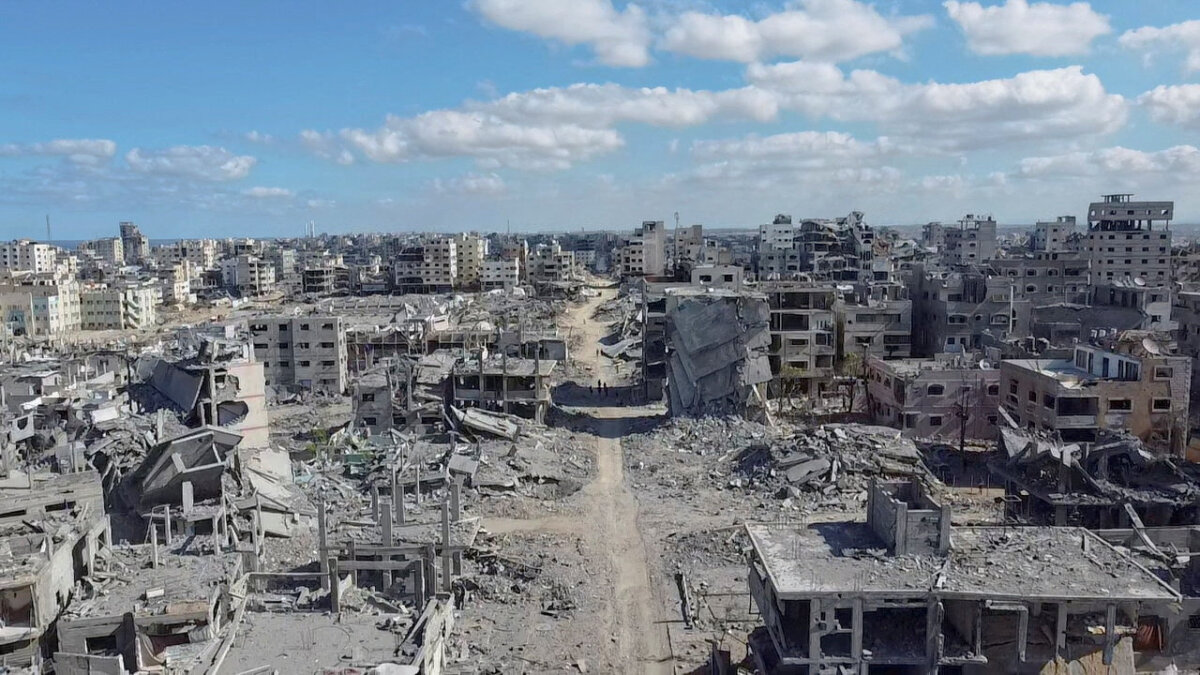
He added that the broader aim was to ensure clean governance as reconstruction begins.
“You can’t replace a corrupt government with another corrupt government,” Kushner said.
“The goal here is to set up a transparent, good government. This can be very, very difficult to do, but we’re in the very early phases of trying to accomplish that.”
Kushner said a key message to Israeli leaders has been the need to help Palestinians “thrive and do better” if Israel wants to deepen its integration into the region. When asked how that message was being received, he replied, “We’re just getting started.”
When asked if, now having experience on the ground, the pair would call the Israeli actions genocidal, Witkoff answered, “Absolutely not. No, no, there was a war being fought.”
Hamas Disarmament
The second phase of the peace agreement includes the disarmament of Hamas.
“In order for that to occur, we need to create the International Stabilization Force,” Kushner said.
“It needs to create a local Palestinian government.”
Witkoff confirmed that work was already underway.
“We’re in the middle of it,” he said.
Kushner acknowledged that Hamas was trying to fill the postwar vacuum.
“Hamas right now is doing exactly what you would expect a terrorist organization to do, which is to try to reconstitute and take back their positions,” he said.
“The success or failure of this will be if Israel and this international mechanism is able to create a viable alternative. If they are successful, Hamas will fail, and Gaza will not be a threat to Israel in the future.”
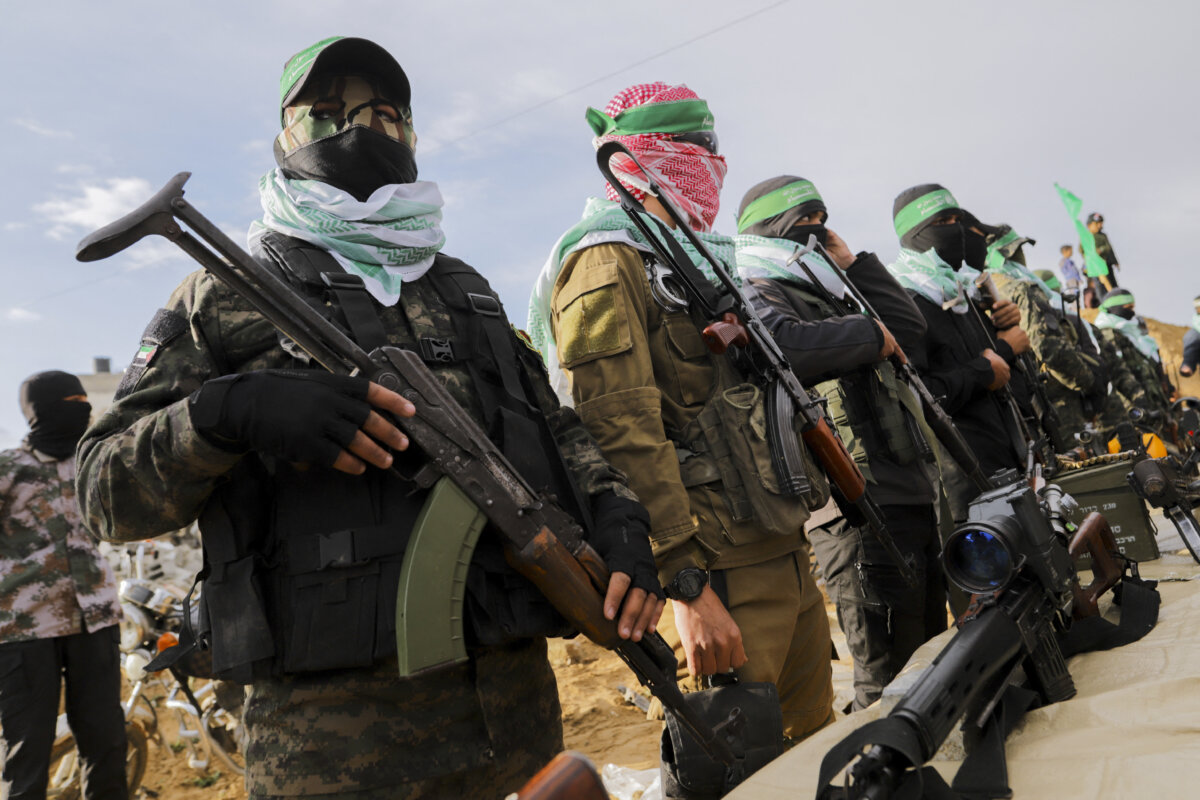
When asked about Trump’s warning that Hamas must disarm, or the United States would disarm them, “perhaps violently,” Kushner said that was not a signal of U.S. military involvement.
“That’s not the intent,” he said.
“His statement is that he wants to see this done, and he’s fully committed to seeing it done.”
Kushner said the plan calls for an International Stabilization Force to train a local Palestinian police force and establish “a secure and viable Gaza.”
He added that “none of the reconstruction money is going to be going in until you have terror-free zones, because nobody wants to invest this money into a place where it’s just going to get destroyed again by terrorism.”
When asked whether U.S. troops might participate in disarmament, Witkoff said, “Highly unlikely.” Kushner agreed: “No.”
 Friends Read Free
Copy
Facebook
Tweet
Friends Read Free
Copy
Facebook
Tweet