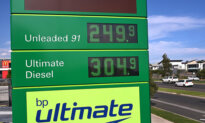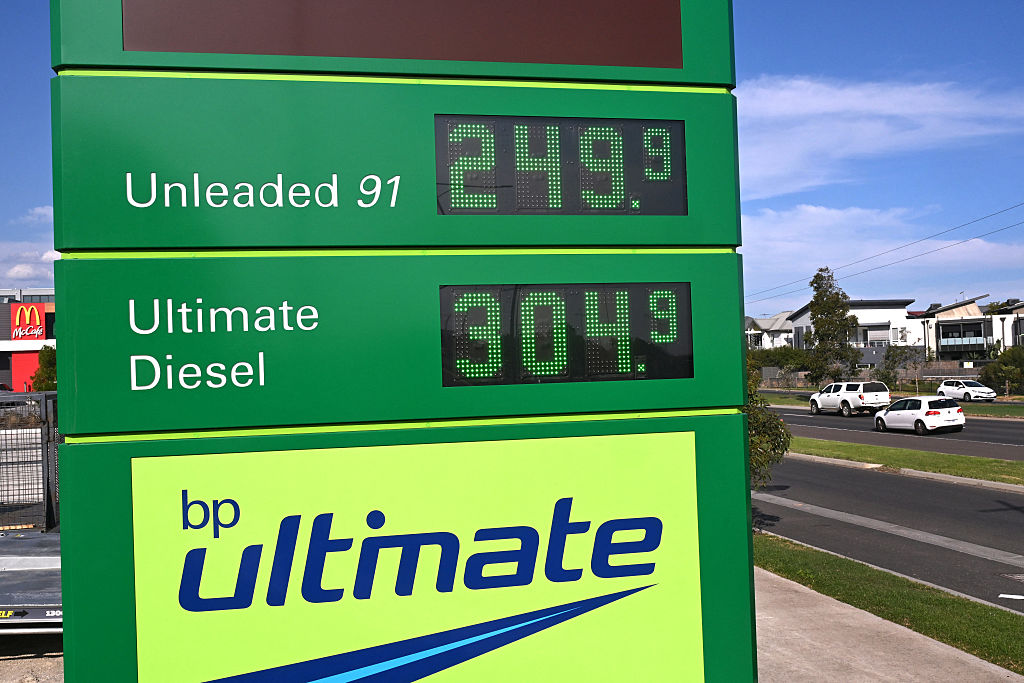

The Albanese Labor government will ease diesel standards in a bid to increase fuel supply for farmers, truck drivers and regional communities amid disruptions from the Iran War.
The six-month measure lowers the diesel flashpoint—from 61.5 degrees Celsius to 60.5 degrees—allowing suppliers to access a wider range of fuel from both domestic refineries and international markets.
The adjustment is expected to broaden sourcing options, including imports from the United States, Canada and Europe, where lower flashpoint standards already apply.
The changes will not affect vehicle performance or emissions, with the government pointing to a similar adjustment in 2020 that recorded no negative impact.
Energy Minister Chris Bowen said the decision was made in conjunction with the National Transport Commission and the Fuel Standards Consultative Committee, the Truck Industry Council, the Federal Chamber of Automotive Industries, and the Australian Automobile Association.
Question Time Hones in on Fuel Supply
Fuel shortages dominated Question Time on March 24, with the opposition pressing the government on its response to supply disruptions affecting hundreds of service stations.
Bowen confirmed the government would introduce legislation to increase penalties on fuel companies found to be exploiting the situation by raising prices.
Coalition MPs also raised concerns about contingency planning.
Liberal MP Tom Venning asked whether any state or territory ministers had requested preparations for fuel rationing.
Bowen said energy ministers had met on March 20 and issued a public communique, adding they had agreed to maintain fuel security “by anticipating risks and enabling timely, coordinated responses.”
In New South Wales, 164 of 2,417 service stations were without diesel, while 289 had at least one type of fuel unavailable.
Queensland reported 55 stations without diesel and 35 without regular unleaded out of 1,800 sites.
In Victoria, 162 of 1,627 service stations had one or more fuel types unavailable.
South Australia recorded 46 affected stations out of 700, while Western Australia reported six stations without stock from a total of 771.
In Tasmania, one station was without diesel and six without unleaded out of 257 sites. No outages were reported in the Northern Territory or the ACT.
 Friends Read Free
Copy
Facebook
Tweet
Friends Read Free
Copy
Facebook
Tweet