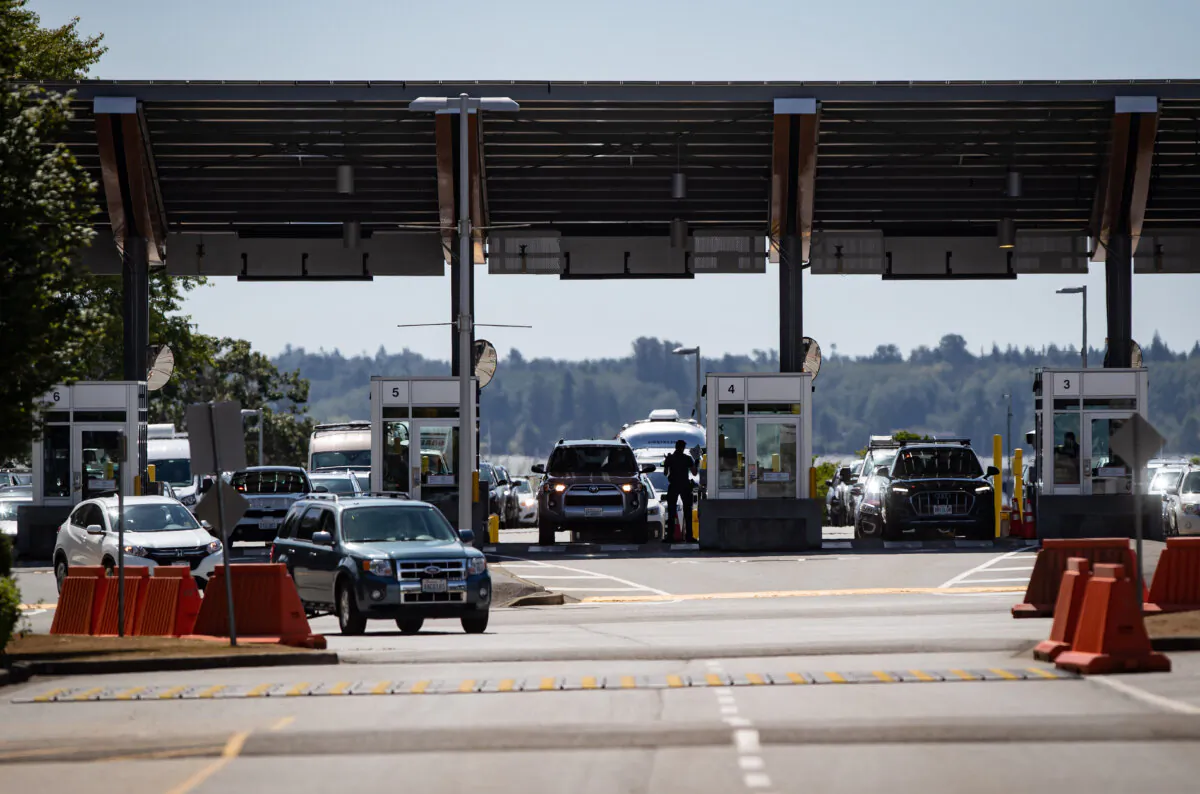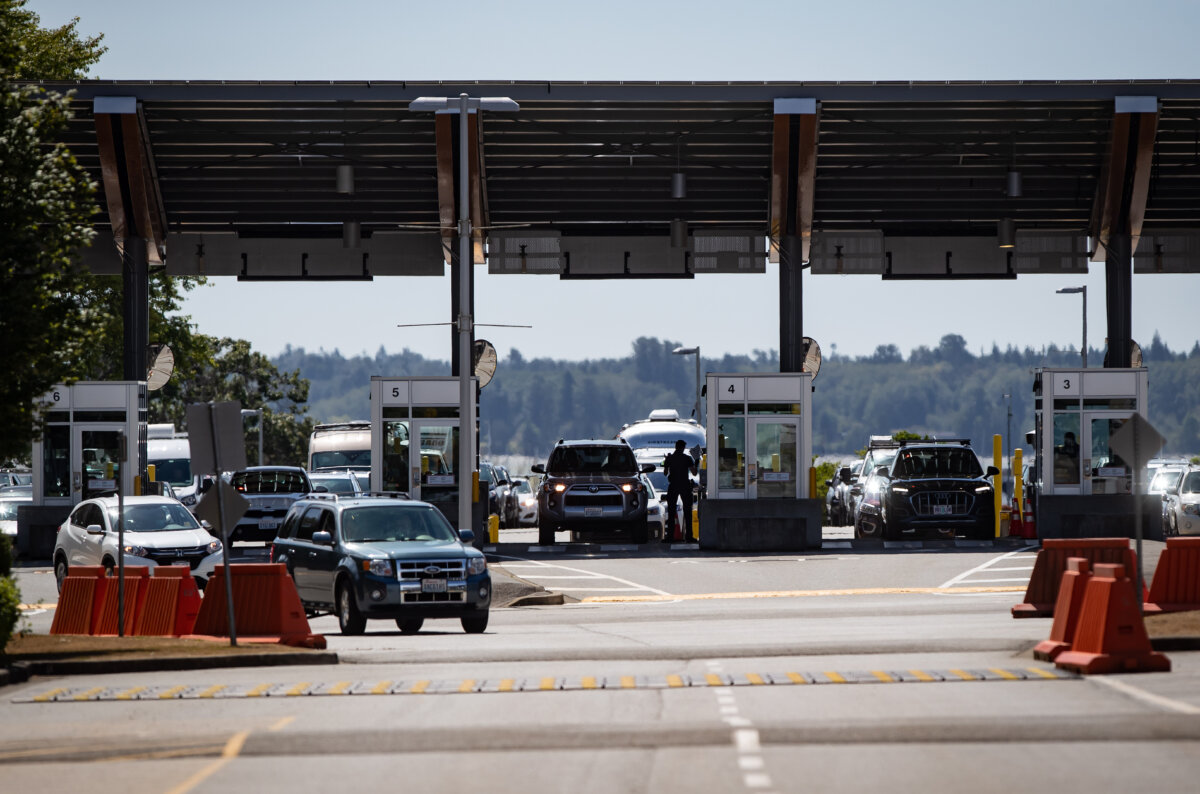

The Liberal government has announced new legislation aiming to strengthen the Canada-U.S. border, which would allow border officials to cancel asylum applications, give law enforcement expanded powers to search mail and access private communications, and crack down on money laundering and fentanyl precursors.
“This legislation will ensure Canada has the right tools to keep our borders secure, combat transnational organized crime and fentanyl, and disrupt illicit financing,” Public Safety Minister Gary Anandasangaree told reporters in Ottawa after tabling the legislation on June 3.
Anandasangaree said Bill C-2, the Strong Borders Act, aims to address transnational criminal organizations that have become more “sophisticated” in recent years by using new technologies that make it difficult for law enforcement to investigate money laundering, human trafficking, and the sale of fentanyl and illegal firearms.
The legislation also responds to concerns raised by U.S. officials, who say illegal drugs and migrants are entering the country over the shared border. Anandasangaree said he has plans to brief U.S. Border Czar Tom Homan on the new legislation later in the day.
U.S. President Donald Trump previously cited border security as a reason to impose 25 percent tariffs on Canada and Mexico. The new bill builds on previous border security measures announced late last year in response to U.S. concerns.
Anandasangaree was asked by reporters if he believed the new measures would satisfy the United States. He said there are several elements to the bill that will “strengthen the relationship” between the two countries, acknowledging it addresses some issues that have been “irritants for the U.S.” He also said the border bill is not “exclusively about the United States.”
“First and foremost, Canadians elected a new government on April 28 with the mandate to ensure the safety and security of Canadians, including securing our border, and many of the measures speak to that,” he said.
The legislation proposes changes to the Immigration and Refugee Protection Act, which gives the government increased control over immigration documents when public health or national security are deemed at risk. Border officials will be able to suspend or change immigration documents and pause the acceptance of new applications if in the public’s interest to do so.
The legislation also proposes to “improve and modernize” Canada’s asylum system by simplifying the application process, referring complete claims to the Immigration and Refugee Board of Canada (IRB), removing inactive cases from the system, and speeding up voluntary departures. Additionally, the legislation would protect against a sudden increase in asylum claims by introducing new ineligibility rules, and strengthen the ability to cancel, suspend or stop accepting new applications.
Expanded Law Enforcement Tools
The Strong Border Act aims to strengthen tools for law enforcement in combatting money laundering through new restrictions on large cash transactions, as well as clarifying public-to-private information sharing provisions to help detect and deter money laundering.
The act proposes an “accelerated scheduling pathway” that allows the minister of health to control precursor chemicals that can be used to make illicit drugs like fentanyl, allowing for “strict federal oversight over any legitimate use of these chemicals.”
The bill would also provide the Canadian Coast Guard with additional powers to conduct security patrols and share information for security purposes.
The legislation includes changes that expand law enforcement’s access to data, communications, and mail. It proposes amendments to the Criminal Code to allow law enforcement to have easier access to “basic information and data,” and amends the Canadian Security Intelligence Service Act to “ensure CSIS’s investigative tools also keep pace.”
Electronic service providers would also be required to support law enforcement agencies and CSIS by complying with legally authorized requests for information and communication. Police would also have fewer barriers preventing them from searching mail during criminal investigations, “where authorized to do so in accordance with an Act of Parliament,” and Canada Post would have expanded authority to open mail during inspections.
When asked by reporters about the legislation encroaching on civil liberties, Anandasangaree said he had spent his “entire life in the protection of human rights and civil liberties,” and ensured that the bill includes safeguards for Charter rights.
“I fundamentally believe that we have struck the balance while expanding powers in certain instances, and it does have the safeguards and the protections in place to protect individual freedoms,” he said.
 Friends Read Free
Copy
Facebook
Tweet
Friends Read Free
Copy
Facebook
Tweet