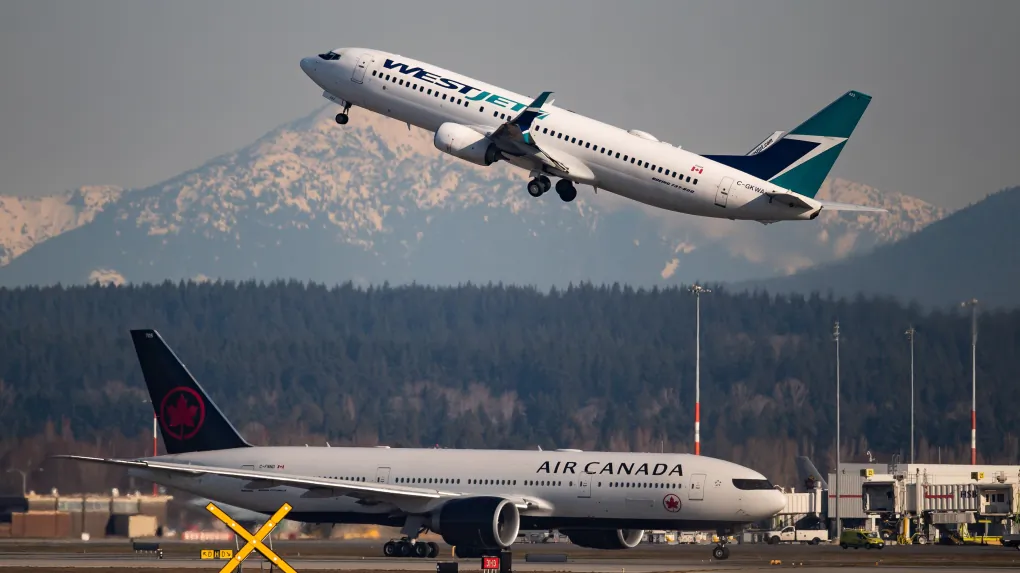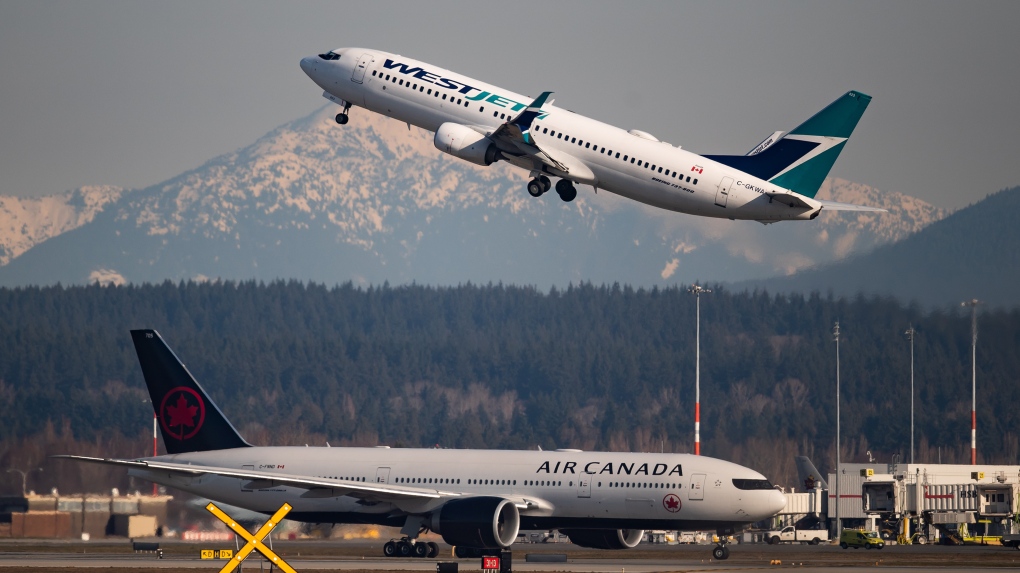

Canadian airlines are cancelling flights and raising fares as fuel costs climb due to the conflict in the Middle East, and analysts warn it will affect Canadians’ travel plans this summer.
Airlines including Air Canada, WestJet, and Air Transat have announced flight cancellations for the coming months due to jet fuel costs and a lack of supply, while several airlines have increased their prices.
Airline and energy experts say the situation could worsen in coming months, as fuel price increases continue to work their way through airline pricing and scheduling decisions.
“There’s a good argument to be made that we have to be very cautious this summer,” said Dan McTeague, president of Canadians for Affordable Energy. “Scarcity and availability are really the big words when it comes to jet fuel and aviation.”
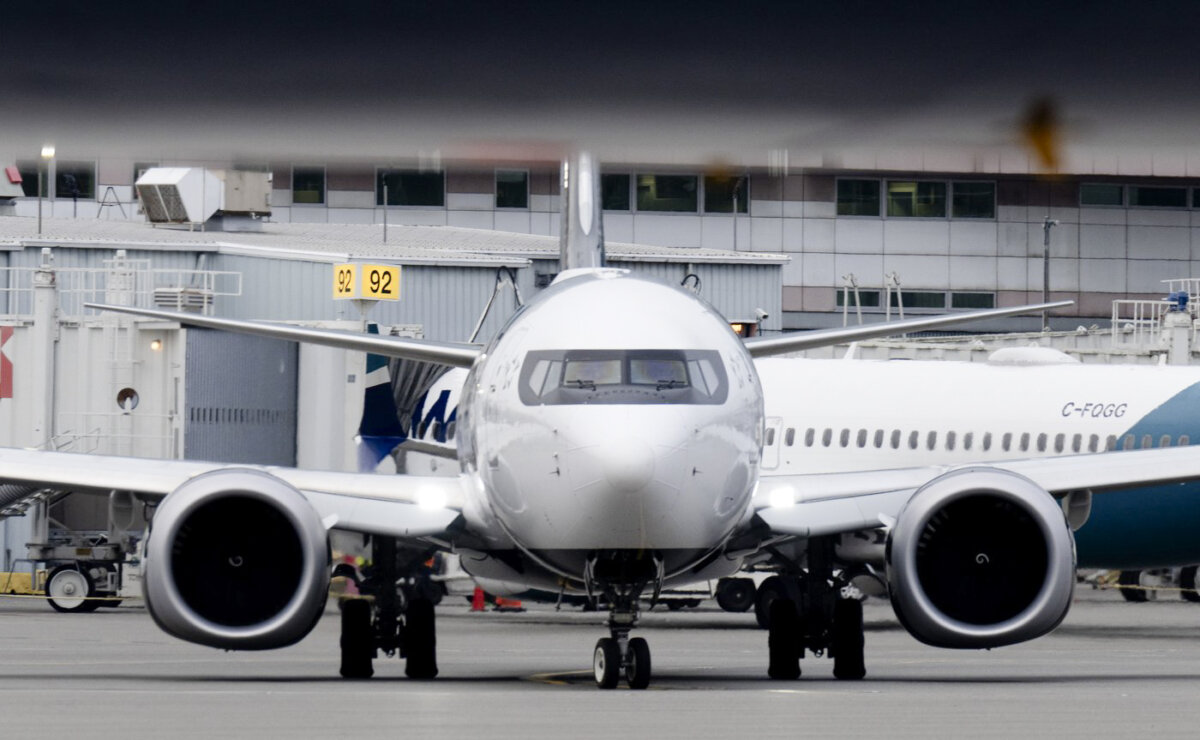
The disruptions began following the start of the Iran war on Feb. 28, and Tehran effectively shutting down the Strait of Hormuz, a shipment route for roughly 20 percent of the world’s energy supply. This raised the price of oil from under US$70 a barrel to over US$110. Jet fuel, which is made from refined crude oil, then jumped from around US$100 a barrel to around US$180.
Analysts say the supply constraint is already affecting aviation markets, particularly in Europe, where many countries rely heavily on imported energy.
On April 16, the International Energy Agency warned that Europe had “maybe six weeks” of jet fuel supplies left.
Flight Cuts, Price Increases
Since the conflict began, the Dutch airline KLM has said it would cancel 160 flights in Europe due to rising fuel costs, while German airline Lufthansa announced the cancellation of 20,000 short-haul flights.
Michael O’Leary, CEO of budget airline Ryanair, warned that some European airlines could go bankrupt by the fall if oil prices remain high for long.
Canadian airlines have also started cutting costs and raising prices.
WestJet announced it would cut capacity by about 1 percent in April, 3 percent in May, and nearly 6 percent in June.
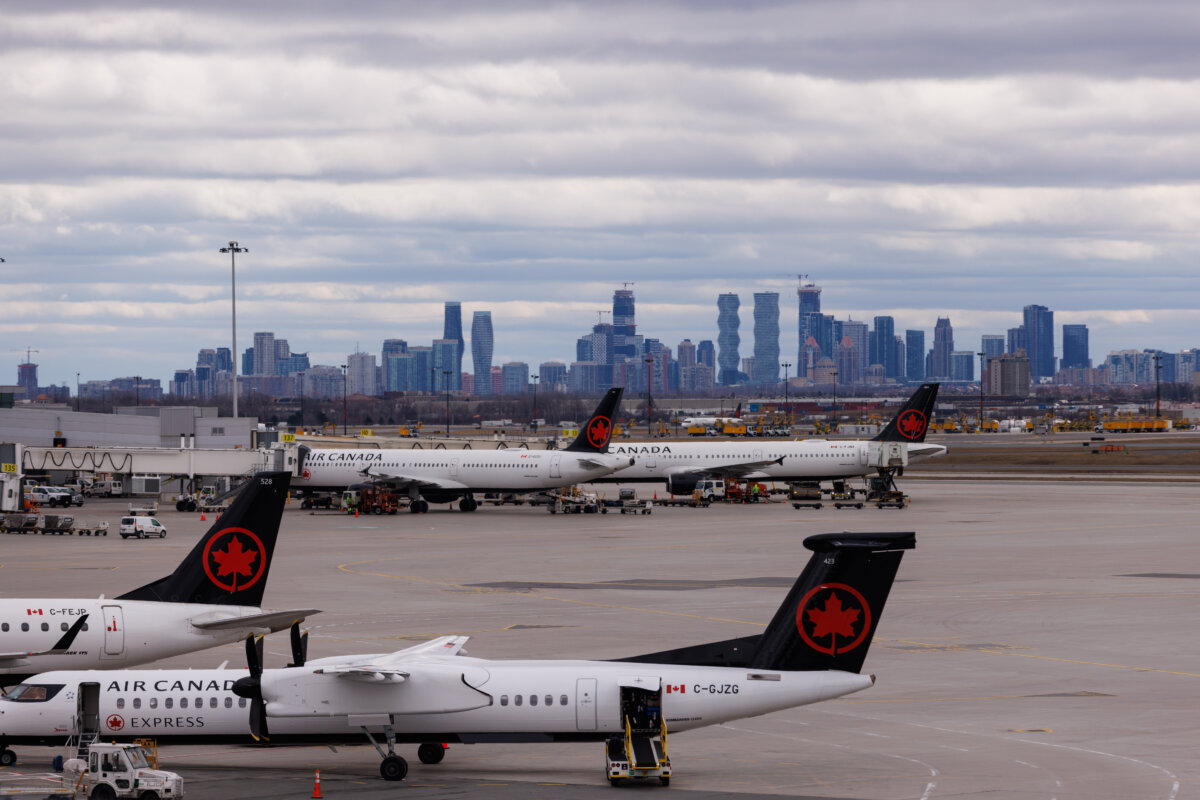
Air Canada said it will suspend six routes, including from Fort McMurray to Vancouver, Yellowknife to Toronto, and from Toronto and Montreal to New York.
Montreal-based Air Transat has said it will cut 6 percent of its flights between May and October, including some routes to Europe and the Caribbean.
Worsening Crisis
Even if the conflict were to end immediately, many observers say airlines will still face heightening cost pressures.
Airlines hedge fuel costs three to six months in advance, so the recent price increases, including the doubling of costs so far, likely aren’t yet fully reflected in ticket prices, according to McTeague.
They are “almost guaranteed to have much higher prices than now,” he said.
He said the current price of oil, at around US$110 a barrel, doesn’t yet reflect the actual global energy shock, and is likely to increase further.
As the world runs through its stores of gasoline, diesel fuel, and jet fuel, “we’re going to be facing serious shortages,” he said.
McTeague said Europe and Asia will see many more flight cancellations due to low jet fuel supplies. Canada and the United States, he said, are more energy independent, but the situation will get worse the longer the energy crisis goes on.
The disruption is not just a headache for airlines—it could also affect travellers directly.
Canadians who are travelling abroad this summer should make sure their return trip is secured, according to McTeague, as certain destinations could experience supply issues with little warning.
“I don’t want to be overdramatic,” he said. “But Canada may have plenty of fuel, while it may not be the same thing in a location where they’re not as advanced and there’s a supply crunch.”
Thin Margins
Lorn Sheehan, a professor of strategy and international business at Dalhousie University, said airlines already operate on “very thin” profit margins, leaving little room to absorb fuel price spikes.
“Keep in mind that 25 to 35 percent of an airline’s cost structure is on fuel, so you’re getting a doubling of that part of your cost structure,” he said. “You have to pass that on to consumers.”
Sheehan said airlines around the world will need to keep cutting flights to ration jet fuel supplies or reduce costs. Air Canada’s decision to cancel some flights to New York is one example of an airline being proactive, he added.
“If JFK International Airport happens to be the airport where the landing fees are higher than it might be going to Newark, then you’re probably going to drop the routes into JFK,” he said.
Sheehan also said airlines will need to further increase the cost of tickets and checked baggage fees.
So far this year, flights between Canadian destinations had risen 70 percent, an average increase of $158 per ticket.
Prices of domestic flights to Vancouver have risen from $191 in January to $427 as of late April, while domestic flights to Toronto have risen from $211 to $371, according to data from travel search platform Kayak as of April 20.
Air Canada and WestJet have also announced higher prices for checked bags, with Air Canada increasing fees by $10 and WestJet increasing them by $5.
Optimistic View
Max Johnson, a tourism consultant at TTJ Tourism, said Canadian airlines may scale back further, including cutting lower-demand routes, rerouting passengers through major hubs, or adding fuel stops, particularly on flights to regions facing tighter energy supply.
But many cancellations are affecting routes that the airlines “probably were going to shed anyway” because they weren’t economically feasible, he said.
He added that mounting economic stress may prompt the combatants to reach a diplomatic solution soon to fully re-open the Strait of Hormuz.
For example, he said, major corporations like Amazon and UPS rely on cargo planes to deliver goods, and will seek to pressure the U.S. administration for measures to bring energy prices back down.
Johnson reassured Canadians who’ve booked travel plans to Europe that they are not likely to lose their flights.
“If someone’s got a trip booked to Europe, the airlines will ensure that that trip happens one way or another,” he said. “Even if they have to route you via Morocco on Royal Air Maroc or something, they will get you there.”
Everything could change, though, if the Strait of Hormuz remains closed and the energy shortage persists into the fall, he said.
“No fuel means no flights, and a world without flights is completely unimaginable,” he said. “I simply don’t think that the corporate world will allow it to get to that.”
 Friends Read Free
Copy
Facebook
Tweet
Friends Read Free
Copy
Facebook
Tweet