
The number of countries that now back reopening the Strait of Hormuz has increased following calls by U.S. President Donald Trump for NATO to help secure the key waterway amid the three-week-long war in Iran.
Signaling their readiness in a joint statement on Friday were the United Kingdom, France, Germany, Italy, the Netherlands, Japan, Canada, South Korea, New Zealand, Denmark, Latvia, Slovenia, Estonia, Norway, Sweden, Finland, Czechia, Romania, Bahrain, and Lithuania.
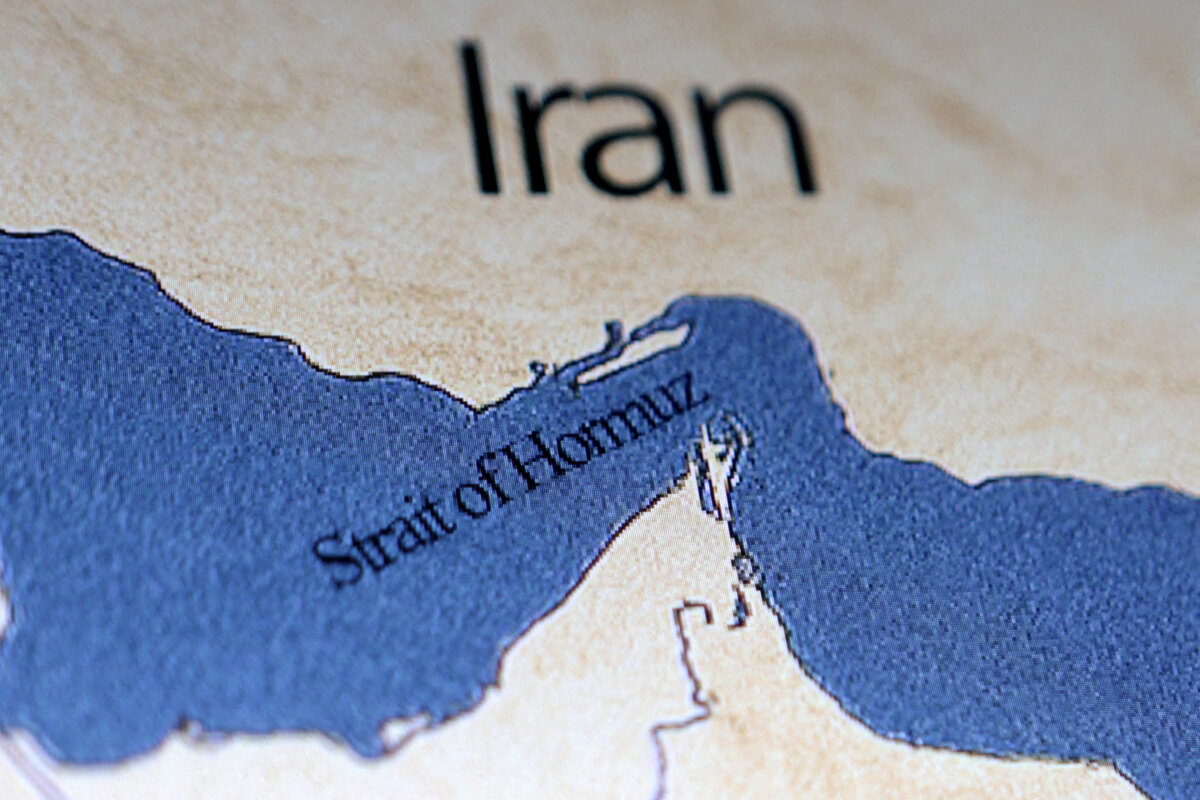
Earlier this week, the UK, France, Germany, Italy, the Netherlands, Canada, and Japan said they would prepare to help ensure the safe passage of ships through the Strait of Hormuz, which connects the Persian Gulf to the Indian Ocean. Around 20 percent of the world’s oil is estimated to be shipped through the strait.
With commercial traffic slowing virtually to a halt, the price for a barrel of crude oil has surged. Brent crude oil has increased to $112 per barrel, and West Texas International crude stood at $97 per barrel on Friday, causing U.S. gas prices to increase to nearly $4 per gallon on average nationwide.
Friday’s statement referenced the Iranian military’s strikes on commercial shipping vessels in the Persian Gulf and in the strait as well as its strikes on civilian oil infrastructure in the Middle East. The strait, meanwhile, has been effectively shut down since the conflict began on Feb. 28.
“We express our deep concern about the escalating conflict. We call on Iran to cease immediately its threats, laying of mines, drone and missile attacks, and other attempts to block the Strait to commercial shipping,” the countries said.
It added that “freedom of navigation is a fundamental principle of international law, including under the United Nations Convention on the Law of the Sea.”
“We express our readiness to contribute to appropriate efforts to ensure safe passage through the Strait,” the statement continued. “We welcome the commitment of nations who are engaging in preparatory planning.”
Their announcement comes as Israeli Prime Minister Benjamin Netanyahu said on Thursday that Iran no longer has the ability to enrich uranium or make ballistic missiles, and Trump administration officials have said weeks of U.S. strikes have decimated Iran’s military.
Little information has come from the Iranian regime about damage to its weapons and energy facilities since the war began nearly three weeks ago. A number of Iranian officials have been killed by the U.S.-Israeli strikes, including Iran’s leader Ayatollah Ali Khamenei, since the conflict started.
On Friday, Trump told reporters as he prepared to leave the White House that Iran is “from a military standpoint … finished,” but they’re “clogging up” the Strait of Hormuz.
Trump said it would be a “simple military maneuver” to keep the vital shipping lane open but it requires help, which he said needs more “volume.” He said “it would be nice” if the countries that rely on the strait would get involved in helping to keep it open.
Earlier Friday, the president chided NATO members for not getting involved in securing the strait in a post on Truth Social and suggested that the military alliance would not exist without the United States.
“They didn’t want to join the fight to stop a Nuclear Powered Iran,” Trump wrote on Truth Social. “Now that fight is Militarily WON, with very little danger for them, they complain about the high oil prices they are forced to pay, but don’t want to help open the Strait of Hormuz.”
Iranian military officials said on Friday that their military has launched an attack on Tel Aviv, as well as U.S. assets in the region, according to state-run media. It included what the military said were multi-warhead missiles and attack drones.
Iran’s foreign minister, Abbas Araghchi, said earlier this week that the country still has military capacity and would show “zero restraint” if its civilian infrastructure was hit again, coming after Israel confirmed it struck a major gas field in the country days earlier. Iran responded by attacking facilities in neighboring countries.
The Associated Press contributed to this report.
 Friends Read Free
Copy
Facebook
Tweet
Friends Read Free
Copy
Facebook
Tweet