
NATO’s military command launched a wide-scale military exercise in the Arctic and High North regions on Feb. 11 as concerns grow over China and Russia’s threat to the area.
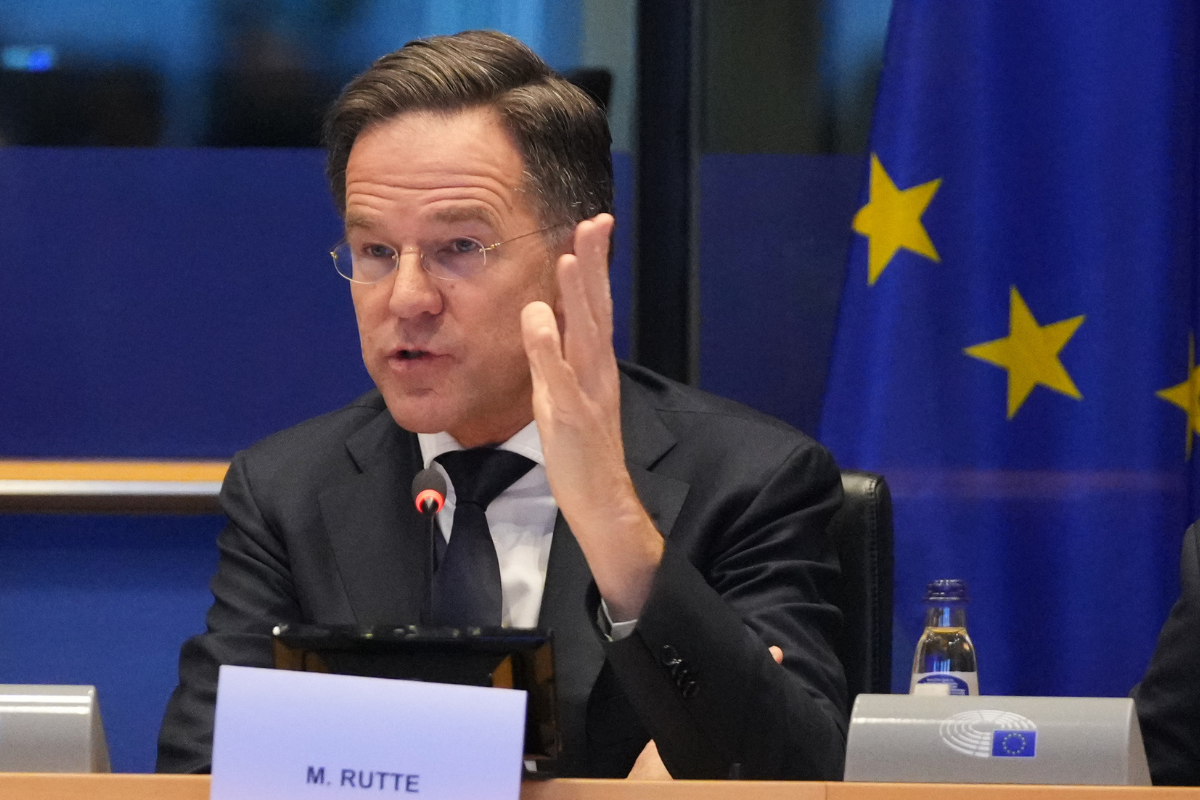
“In the face of Russia’s increased military activity, and China’s growing interest in the High North, it was crucial that we do more, which is why we have just two hours ago launched Arctic Sentry,” NATO Secretary General Mark Rutte said in his announcement at a press conference at NATO’s headquarters in Brussels.
Allied Command Operations will execute a multi-domain exercise, led by Joint Force Command Norfolk, integrating air, land, maritime, and potentially space and cyberspace assets.
The Norfolk Command’s area of responsibility was expanded in December to include the Nordic countries of Denmark, Sweden, and Finland.
“Arctic Sentry leverages the strength of the alliance by bringing together NATO and allied activities in the High North into one overarching operational approach to the region, making clear our commitment to ensuring Arctic security and indeed the security of the whole alliance together,” Rutte said.
The military exercise follows a meeting between U.S. President Donald Trump and Rutte last month in Davos, Switzerland, where the leaders agreed that NATO should take more responsibility for the region’s defense.
Some military activities have already started in the region, including Denmark’s Arctic Endurance, a series of multi-domain exercises to enhance operational capabilities. Norway is also planning an exercise, called Cold Response, in which troops from across the alliance have already started to arrive.
“Arctic Sentry underscored the Alliance’s commitment to safeguard its members and maintain stability in one of the world’s most strategically significant areas,” said U.S. Air Force General Alexus Grynkewich, NATO’s Supreme Allied Commander in Europe, in a statement posted to X on Feb. 11.
U.S. officials started sounding the alarm in 2024 about increased Chinese and Russian presence in the Arctic region.
Michael Sfraga, the first U.S. ambassador-at-large for Arctic affairs, said Russian and Chinese military cooperation in the Arctic region was “concerning.”
“The fact that they are working together in the Arctic has our attention,” Sfraga said in November 2024. “It raises our radar, literally and figuratively.”
The Arctic Institute, a nonprofit think tank in Washington, said in a 2025 analysis that China’s Arctic strategy is a hybrid warfare campaign that combines overt and covert ways to influence and reshape Arctic governance.
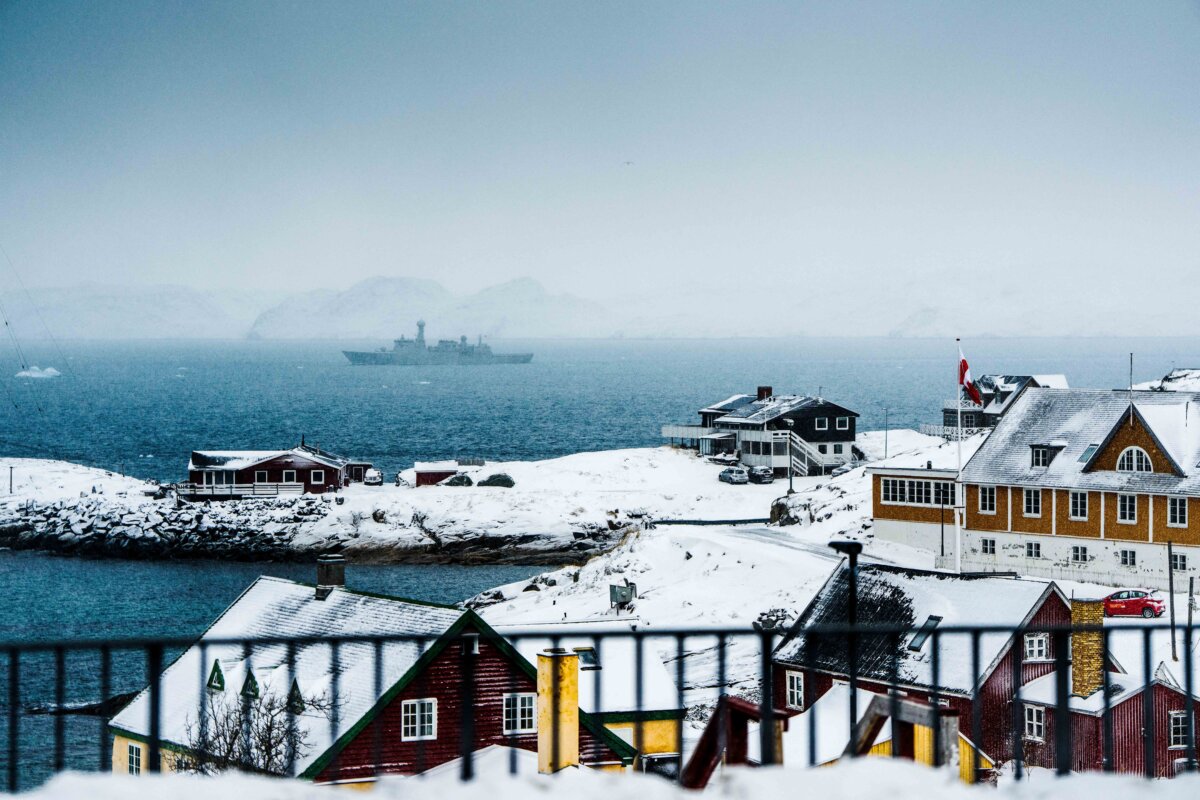
The analysis found NATO’s reactive posture risked a lack of readiness and posed significant consequences for allied nations.
“Addressing these challenges requires a multi-pronged approach balancing diplomatic engagement through the Arctic Council and robust military-political integration via NATO,” the institute concluded.
 Friends Read Free
Copy
Facebook
Tweet
Friends Read Free
Copy
Facebook
Tweet