
NATO will adjust the strength of its peace support mission in Kosovo, which has been in place since 1999, over the next year due to the security situation in the country remaining “generally steady,” the alliance announced on June 12.
“NATO and KFOR are fully committed to safety and security in Kosovo,” U.S. Air Force General Alexus G. Grynkewich, Supreme Allied Commander Europe (SACEUR), said in a statement.
“It is this commitment that has led to increased stability as the security organisations in Kosovo have become more capable. The current conditions provide an opportunity to optimise KFOR’s size and posture further,” he added, reiterating NATO’s strong commitment to the Balkans and vowing not to let a security vacuum in the region emerge.
Unrest had flared up in the country in 2023 and 2024, which prompted NATO to bolster its presence there, but the situation has since calmed.
The alliance elaborated that “calibrated reductions” are expected to follow national rotational deployment and redeployment cycles between now and next year.
The changes will occur gradually and in line with conditions on the ground, and could be reversed if circumstances require, NATO said.
NATO has had a presence in Kosovo since it intervened in the 1998–1999 war, which saw around 11,400 people die in the country, mostly from the ethnic Albanian majority.
A NATO air campaign lasting 78 days ended the bloodshed and forced out the Serbs.
Kosovo unilaterally declared independence from Belgrade in 2008, with most nations in the West recognizing it as a new sovereign state.
But dozens of countries, including Serbia, Russia, and China, do not recognize Pristina’s independence.
The June 12 NATO statement said that the alliance continues to support the European Union-facilitated dialogue between Belgrade and Pristina and urges both sides to try to resolve outstanding issues and reach a solution that respects the rights of all communities.
Kosovo remains mired in a political crisis, having held three parliamentary elections in the past 18 months.
Despite repeated ballots, Kosovar Prime Minister Albin Kurti remains unable to form a government, meaning the young nation has been left without functioning institutions; reforms have been delayed; and the flow of funds from the EU, with which Pristina has an aspiration to join, has stalled.
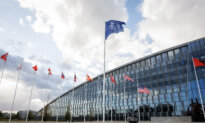
The announcement by NATO relating to Kosovo comes just more than a week after the United States announced it would be cutting its contributions to the alliance, citing the “potential reality” of fighting multiple wars at once.
Officials from the U.S. Department of War notified allies on June 3 that Washington would “rightsize” its contributions to the NATO Force Model, “consistent with the burden sharing direction in the 2026 National Defense Strategy and the Department’s vision for a ‘NATO 3.0,’” according to a statement from the U.S. European Command (USEUCOM).
American officials first informed their fellow member states of the decision during a meeting of defense policy officials at NATO headquarters in Brussels on May 22.
Grynkewich said in a statement that there had been an “unhealthy co-dependence” on American forces. He added that President Donald Trump and Secretary of War Pete Hegseth have “been clear that this needs to change, and it will change.”
“The potential reality of simultaneous conflict in multiple theaters demands it,” he added.
Grynkewich also said the change will strengthen the Alliance’s defense plans by making them more realistic. He said it would ensure that NATO is not overly reliant on U.S. forces, which are needed to maintain deterrence in other regions of the world and respond to changing global contingencies.
The move is also based on the premise that the European members of NATO and Canada are “increasingly capable of fielding the preponderance of forces required to defend the Alliance,” according to USEUCOM.
Reuters contributed to this report.
 Friends Read Free
Copy
Facebook
Tweet
Friends Read Free
Copy
Facebook
Tweet