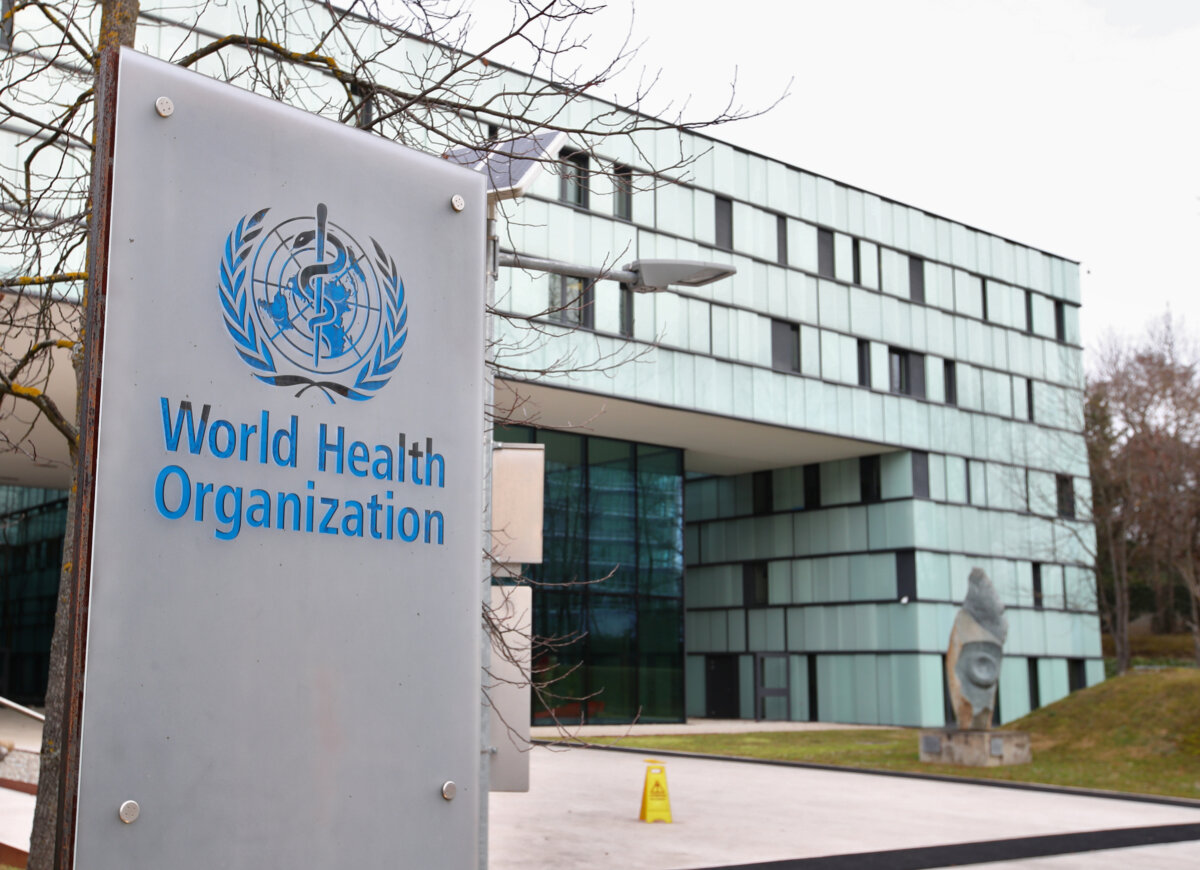

New Zealand has formally rejected amendments to the International Health Regulations (IHR), which lay out how World Health Organisation (WHO) member countries will handle future pandemics.
New Zealand’s Ministry of Health described the IHR as the “principal international legal framework for preventing and controlling the spread of disease between countries.”
Foreign Minister Winston Peters announced the decision on X on March 17 saying his party had “always said that any decisions about the health of Kiwis should be made from Wellington, not Geneva.
“We have fought on your behalf for these IHR amendments to be fully rejected, we made a promise to put the national interests of New Zealanders first, to maintain our sovereign decision making, and to push back on globalist bureaucrats—and we have kept that promise,” he wrote.
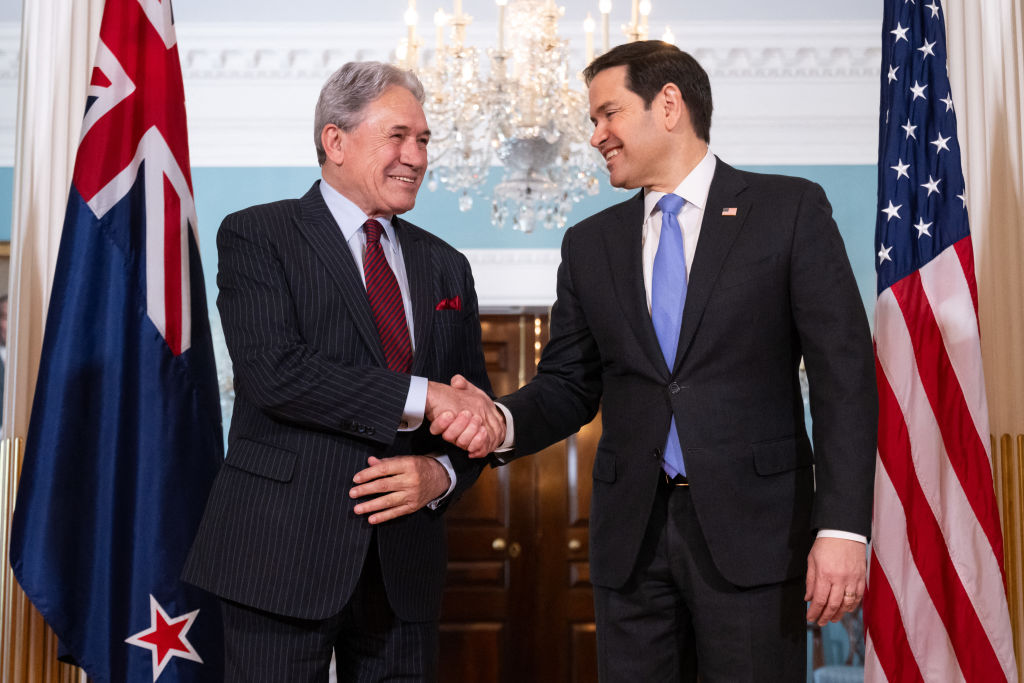
Peters said New Zealand’s permanent mission to the U.N. had informed the WHO’s director general of the decision.
Rejecting the WHO pandemic treaty was a condition of New Zealand First joining the centre-right National Party and the libertarian ACT to form the current government in 2023.
New Zealand has been a signatory to the IHR since its establishment in 2005.
Details of the Treaty
The WHO’s new amendments were passed in June of 2024 but were not binding on member countries, giving those who disagreed the option of opting out without leaving the organisation.
At the time the amendments were passed, WHO Director-General Dr. Tedros Adhanom Ghebreyesus said the decision demonstrated “a common desire by member states to protect their own people, and the world’s, from the shared risk of public health emergencies and future pandemics … built on commitment to equity, an understanding that health threats do not recognise national borders, and that preparedness is a collective endeavor.”
The 62-page document (pdf) introduced a definition of a “pandemic emergency,” which would trigger obligations for international collaboration.
Countries that agreed to the amendments would have to report potential public health emergencies within 24 hours of becoming aware, to respond to WHO requests within a similar timeframe, and to consult WHO on appropriate health measures for events that do not require notification but may still pose a risk.”
It also empowers WHO’s director-general to declare emergencies, including pandemics, which then obliges countries to implement “prompt and effective public health responses,” including measures such as isolation, quarantine, vaccination, and treatment.
Several of the clauses impose compulsory obligations on states, including the establishment of a national IHR authority which would coordinate the implementation regulations, and if necessary, by “adjusting their domestic legislative and/or administrative arrangements.”
Governments were also obligated to develop response plans and would receive technical guidance from the WHO.
Response to NZ’s Announcement
Groups such as Voice for Freedom and NZ Doctors Speaking Out with Science (NZDOS) were supportive of Peters’ announcement.
NZDOS is an association of medical professionals challenging the safety of the COVID-19 vaccines.
Yet Helen Petousis-Harris, associate professor at the University of Auckland and co-director at the Global Vaccine Data Network, said that while Peters was correct to emphasise national sovereignty and transparency in treaty commitments, “the suggestion that the WHO Agreement threatens that sovereignty is inconsistent with the actual text.
“If anything, the treaty goes out of its way to reaffirm state control over public health decisions.”
“The WHO Pandemic Agreement is like a global fire alarm system—with shared hoses, ladders, and escape plans—so no country is left to battle the blaze alone,” she said.
Health Minister Simeon Brown has not commented on the measure, and Prime Minister Christopher Luxon is away overseas.
 Friends Read Free
Copy
Facebook
Tweet
Friends Read Free
Copy
Facebook
Tweet