
New Zealand has raised defence spending in its latest budget.
Treasurer Nicola Willis unveiled in her 2026–27 Budget an extra NZ$1.58 billion (US$940 million) in defence funding as part of a broader NZ$3.5 billion spending package.
International security was one of the “four pillars” of the budget previously announced by Prime Minister Christopher Luxon. The others were energy independence, social cohesion, and financial security.
The additional package is split between NZ$880 million in operating expenses and NZ$700 million in capital funding, with the money directed toward priority projects identified in the Defence Capability Plan (DCP) released last year.
The plan unveiled NZ$9 billion in new spending as part of an effort to lift defence spending to 2 percent of GDP, including NZ$2.7 billion for new military aircraft.
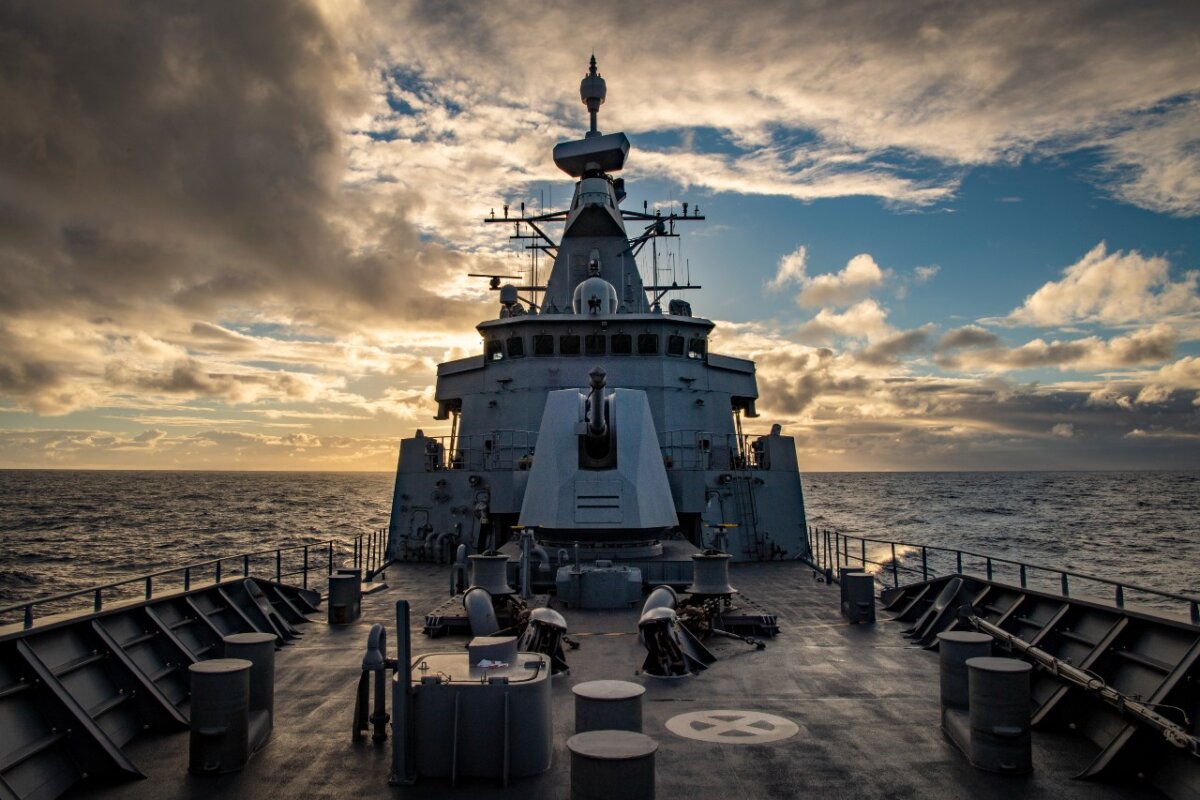
The bulk of the latest tranche of money will be spent on drone systems, critical ship maintenance and work to replace the country’s aging naval fleet.
“New Zealand’s prosperity and security depend on the sea. For many years, New Zealand’s geographic distance has been seen as a shield from instability elsewhere in the world,” said Defence and Veterans Minister Chris Penk.
“However, recent events have served as a reminder of how quickly disruptions to international shipping routes can affect economies and supply chains across the globe. The oceans are not a barrier to danger, but a vital national interest that must be actively secured.”
The new funding means the Maritime Fleet Renewal program will receive funding for the ongoing work of delivering a “modern and combat-capable” navy, as well as to purchase two types of drones.
All of the Navy’s vessels—with the exception of the tanker, HMNZS Aotearoa—are due to reach the end of their life between 2032 and 2036. The renewal project was initiated to use this opportunity to rethink and improve the structure of the NZ Defence Force’s maritime assets.
The Navy says the replacement of New Zealand’s ANZAC frigates has been scheduled for the 2029 to 2039 period.
Discussions with the Royal Navy and Royal Australian Navy are taking place to ensure that whatever ship is chosen as a replacement will have interoperability with the Japanese-designed Mogami-class frigates selected by Australia and the UK’s Type 31 frigate.
“The Budget will also allow for critical maintenance on the ANZAC-class frigates and HMNZS Canterbury, to extend the life of the existing ships until they are replaced,” Penk said.
The Budget prioritises spending as much of the money as possible locally through construction, maintenance and sustainment projects with New Zealand-based businesses.
In addition, NZ$1.5 million of capital funding and NZ$16 million of the operating funding figures will be used to begin work on the Technology Accelerator program (pdf), which aims to connect the tech industry with Defence to solve specific military challenges.
“More than 80 percent of the New Zealand Defence Force’s NZ$2.6 billion operating and personnel budget is spent within New Zealand, bolstering the economy while serving the dual benefit of ensuring we have a strong Defence Force,” Penk said.
New Zealand’s increased defence budget comes amid rising tensions in the Indo-Pacific, driven by the Chinese Communist Party’s (CCP) military presence and aggressive actions toward neighbouring countries.
In early 2025, the CCP conducted live-fire naval drills in waters between Australia and New Zealand. The CCP fleet, which consisted of three Chinese warships, then changed course toward Australia and sailed within the country’s exclusive economic zone.
The ships spent weeks operating around Australia, passing near key defence facilities before returning to international waters.
While the live-fire naval drills were considered legal under international law, Australian officials described the deployment as highly unusual and strategically provocative.
At the time, then New Zealand Defence Minister Judith Collins said the incident was a “wake-up call” about the precarious nature of the Indo-Pacific.
“New Zealanders have been told for years … that we can just rest easy, do nothing on defence and expect that our distance from much of the world will protect us,” she said.
 Friends Read Free
Copy
Facebook
Tweet
Friends Read Free
Copy
Facebook
Tweet