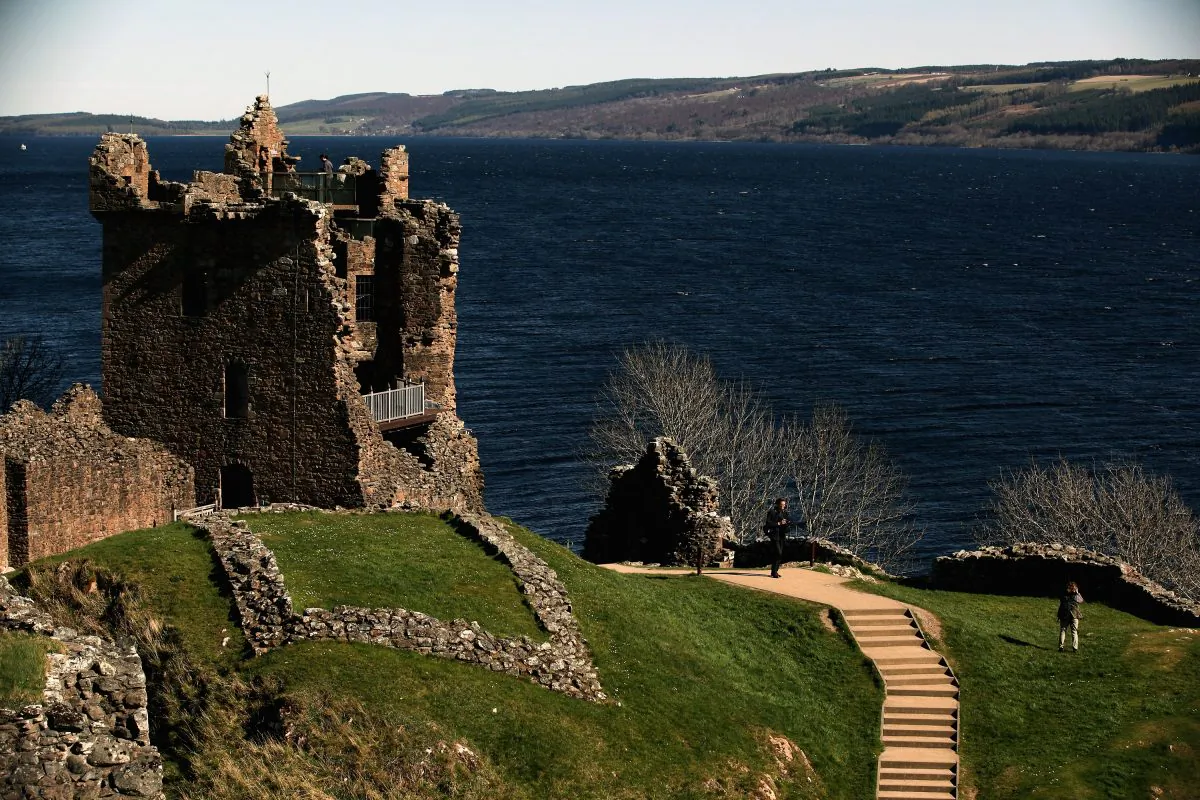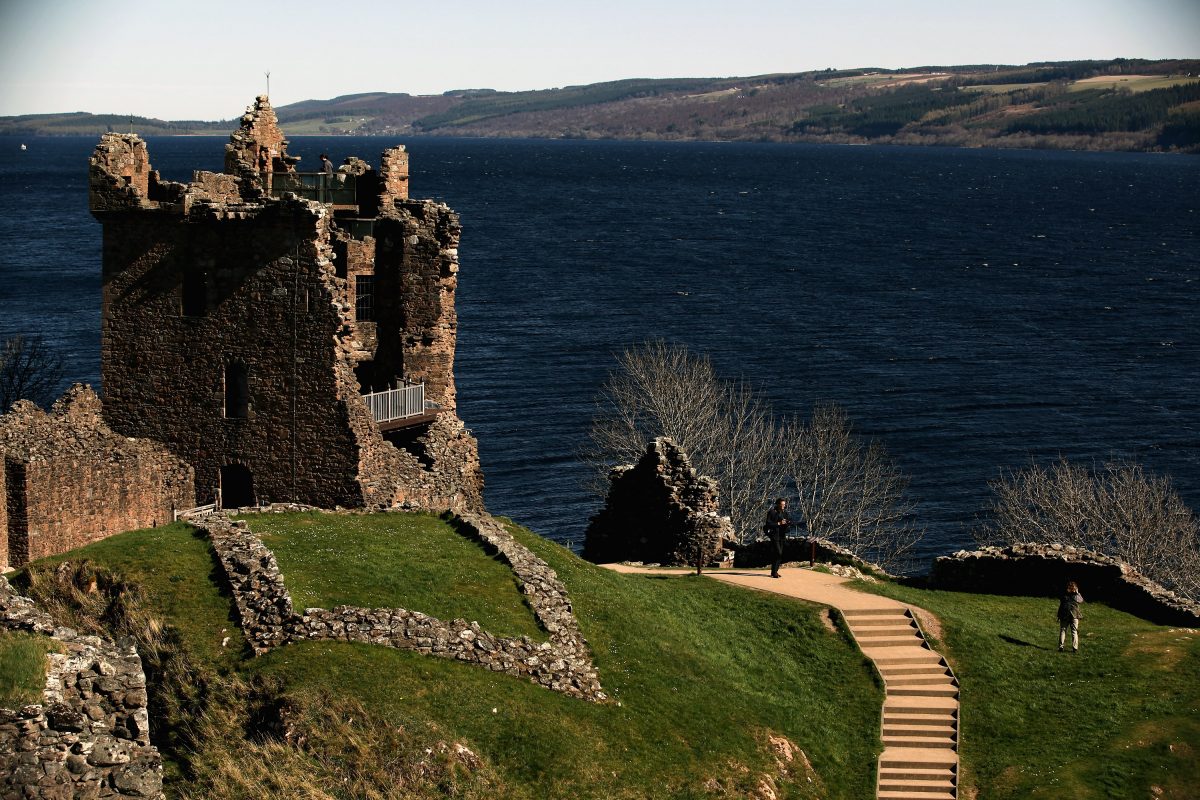

The theory that the legendary Loch Ness Monster might be a large eel was boosted after a video posted on social media showed what appears to be an eel in the River Ness.
The Ness Fishery Board, a U.K. statutory body, tweeted the video. The Ness Fishery Board is “a statutory body responsible for the protection and enhancement of salmon and sea trout fisheries in the Ness District” in Scotland, according to its website.
Lets be honest – when you see a large, eel shaped object passing your camera in the River Ness, the first thing you think of is #lochnessmonster ??? @ProfGemmell @LochNessCentre @ProfColinBean @jacobitecruises @IainAMalcolm @KJMillidine @ChrisDNessDSFB pic.twitter.com/9wgnBnNGGh
— Ness Fishery Board (@FishtheNess) September 1, 2019
“Lets be honest – when you see a large, eel-shaped object passing your camera in the River Ness, the first thing you think of is #lochnessmonster,” the government organization wrote.
The Times of London reported on the video on Wednesday, Sept. 18. The video was posted on Sept. 1.
The River Ness is a river that flows from the northern end of the Loch Ness into Inverness.
The Fishery Board posted the clip just days before New Zealand researcher Neil Gemmell announced in a press conference that there is a possibility that the monster, named “Nessie,” is a giant eel.
He said that it’s not likely that Nessie is a dinosaur, as it has been theorized in the past.
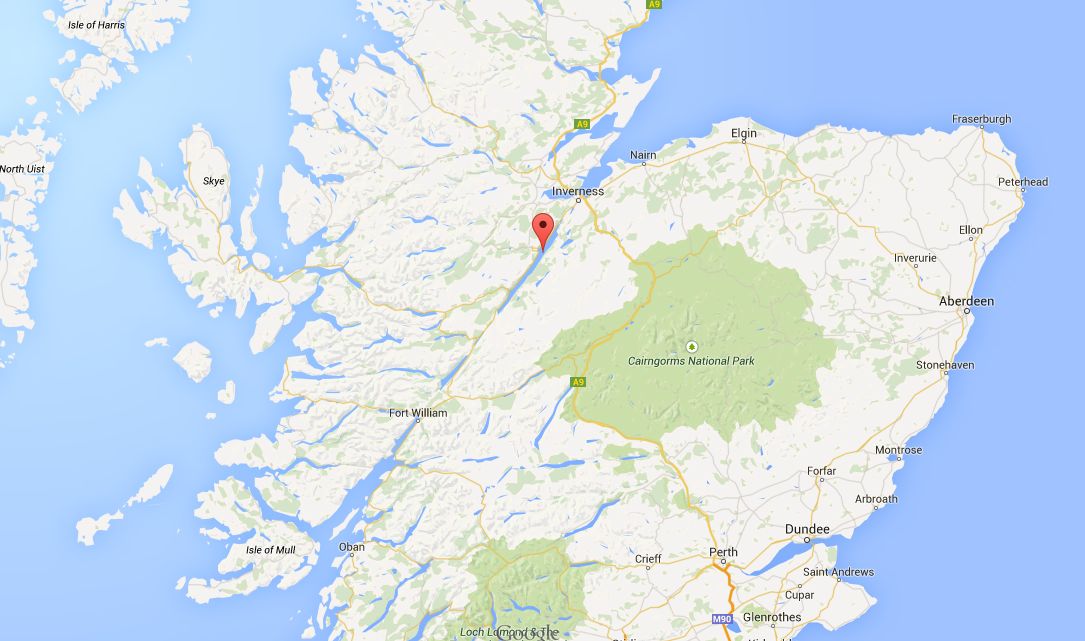
“We can’t find any evidence of a creature that’s remotely related to that in our environmental-DNA sequence data,” Gemmell said, reported the BBC. “So, sorry, I don’t think the plesiosaur idea holds up based on the data that we have obtained.”
“There is a very significant amount of eel DNA,” Gemmell, who is a geneticist from New Zealand’s University of Otago, added to the broadcaster.
“Eels are very plentiful in Loch Ness, with eel DNA found at pretty much every location sampled–there are a lot of them. So, are they giant eels? Well, our data doesn’t reveal their size, but the sheer quantity of the material says that we can’t discount the possibility that there may be giant eels in Loch Ness,” he added.

Then he concluded that there is a “possibility that what people see and believe is the Loch Ness monster might be a giant eel.”
The very first sighting of the Loch Ness monster was reported in the 6th century when St. Columbia “gave an order to one of his monks to swim across the lake to get a boat,” says the Vintage News.
However, the Irish saint told the monster to stop and not touch the monk and return to the bottom of the Loch Ness. The monster then complied.
 Friends Read Free
Copy
Facebook
Tweet
Friends Read Free
Copy
Facebook
Tweet