
Oil prices fell on Oct. 19, with Brent retreating from a five-month high as investors weighed President Donald Trump’s decision to waive new Russia-related sanctions and tariffs amid efforts to bring more diesel onto global markets and settle the Ukraine war at the negotiating table.
Brent crude futures fell $1.34, or 1.22 percent, to $108.52 a barrel by 6:02 ET, after settling on Friday at their highest since May 19. U.S. West Texas Intermediate crude ticked down by 13 cents, or 0.13 percent, to $101.28 a barrel, following its highest close since Sept. 17.
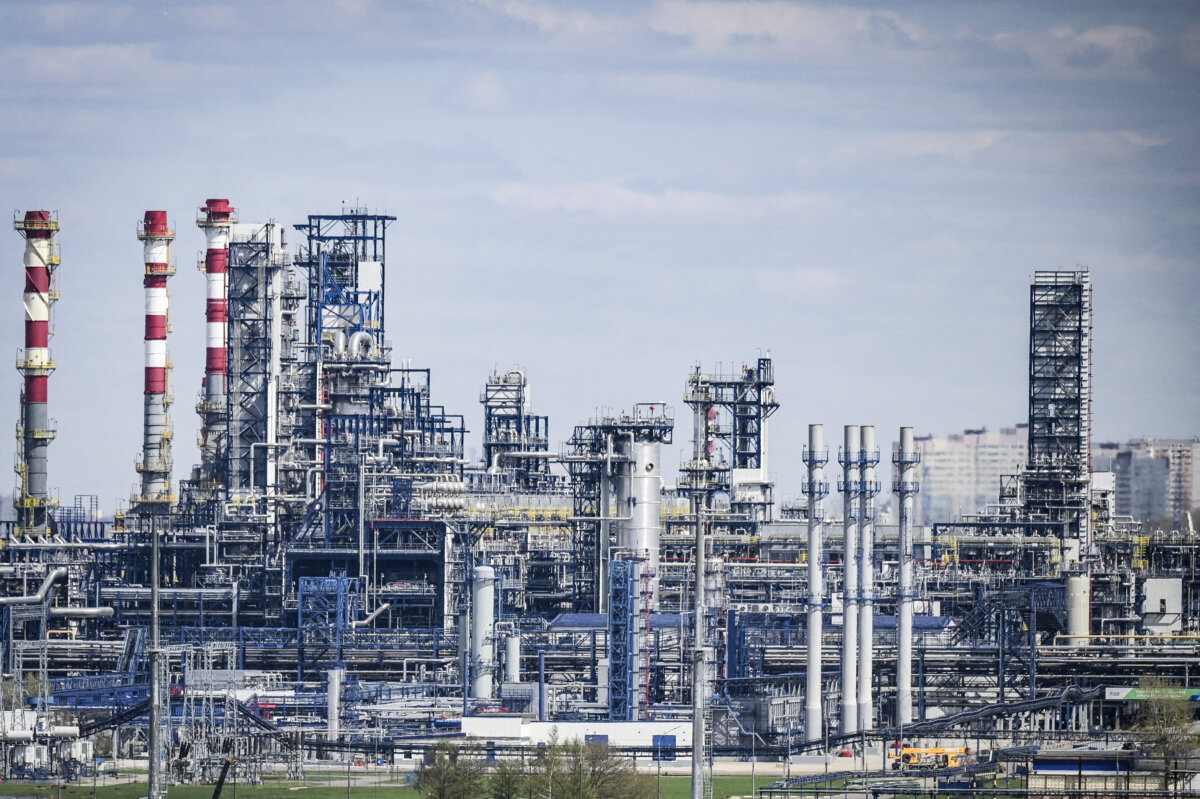
The pullback came as Washington sought to ease fuel shortages through an agreement on Russian diesel exports, even as attacks on energy infrastructure in Russia and Ukraine continue and threats to shipping in the Middle East cloud the supply outlook.
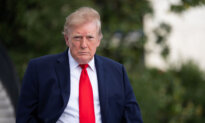
Trump signed an executive order on Oct. 16 waiving sanctions and tariffs under the Lindsey O. Graham Sanctioning Russia Act, legislation he signed last month targeting major buyers of Russian oil and gas.
The waiver followed a separate agreement with Moscow to supply diesel to global markets, including the United States.
Analytics firm Kpler said Monday that Trump’s diesel deal with Moscow, which allows for Russian exports to partially recover and boost global supply, combined with refinery maintenance periods winding down, would likely put downward pressure on prices in the near term.
“However, upside risks persist, with renewed Ukrainian attacks on Russian refineries adding uncertainty to the US–Russia diesel deal,” Kpler analysts said in a post on X.
Waiver Draws Scrutiny, Attacks Continue
Trump explained his sanctions decision on Oct. 18, saying he wanted to keep Russia engaged in negotiations to end the war in Ukraine.
“I am in the process of negotiating Peace in the war between Russia and Ukraine, and don’t want to do anything that will drive, foolishly, Russia away from the bargaining table,” he wrote on Truth Social.
Secretary of State Marco Rubio said the administration would take up to 60 days to assess the potential effects of sanctions and tariffs on the global and U.S. economies.
Ukrainian President Volodymyr Zelenskyy, speaking to NBC’s “Meet the Press,” called the waiver a “historic mistake” and “big support” for Russian President Vladimir Putin in his war against Ukraine.
“I hope that he will change his decisions,” Zelenskyy said of Trump, adding that he believes the U.S. president’s diesel deal with Putin is “very dangerous,” with little positive impact on diesel prices in America.
Energy Secretary Chris Wright told CNN on Oct. 18 that the Graham Act targeted countries trading with Russia and that Trump had suspended enforcement while retaining the authority to act later.
“There’s a lot of moving parts in this conflict right now,” Wright said, adding that Trump’s move gives the United States leverage in talks with China and India, two key importers of Russian petroleum products, as Trump seeks to marshal international support to end the Ukraine war.
Wright separately defended the diesel agreement, arguing that Russia would need to reduce its war effort or secure relief from attacks on its refineries to increase exports.
“This is a carrot to try to end a war. It’s not an economic lifeline for Russia,” he told ABC’s “This Week.”
“This is an incentive to Russia, that if they can reduce the conflict with Ukraine, they can get an energy ceasefire, or reduce the conflict such that they have diesel to export, we’ll allow it to flow to world markets.”
Trump said the diesel agreement called for an initial release of more than 300,000 metric tons to global markets, followed by 500,000 tons in November and 1 million tons in December.
Further shipments would depend on the condition of Russian refineries, which have increasingly come under Ukrainian attack.
Ukraine recently resumed strikes on Russian refineries after Zelenskyy said Kyiv was “done” complying with an energy ceasefire proposed by Trump.
Trump has criticized the strikes, saying they were hurting diesel markets and imposing costs on American farmers and businesses.
Meanwhile, shipping disruptions linked to the U.S.–Iran conflict continued to threaten supplies.
Iran’s Islamic Revolutionary Guard Corps (IRGC) Navy said on Oct. 19 that a tanker struck a naval mine while attempting to leave the Strait of Hormuz, causing an explosion and an engine-room fire, according to state news agency IRNA.
The IRGC alleged that the vessel had disabled its navigation and identification systems and used an unauthorized southern route.
Kpler said in an Oct. 16 note that Gulf crude flows had fallen to about 8.5 million barrels per day on a seven-day average, from more than 20 million the previous week. It reported at least 10 confirmed incidents involving commercial vessels that week.
“Ongoing strikes on vessels crossing the Strait of Hormuz and flows remaining below pre-conflict levels continue to provide support to crude oil prices,” UBS analyst Giovanni Staunovo said.
Reuters contributed to this report.
 Friends Read Free
Copy
Facebook
Tweet