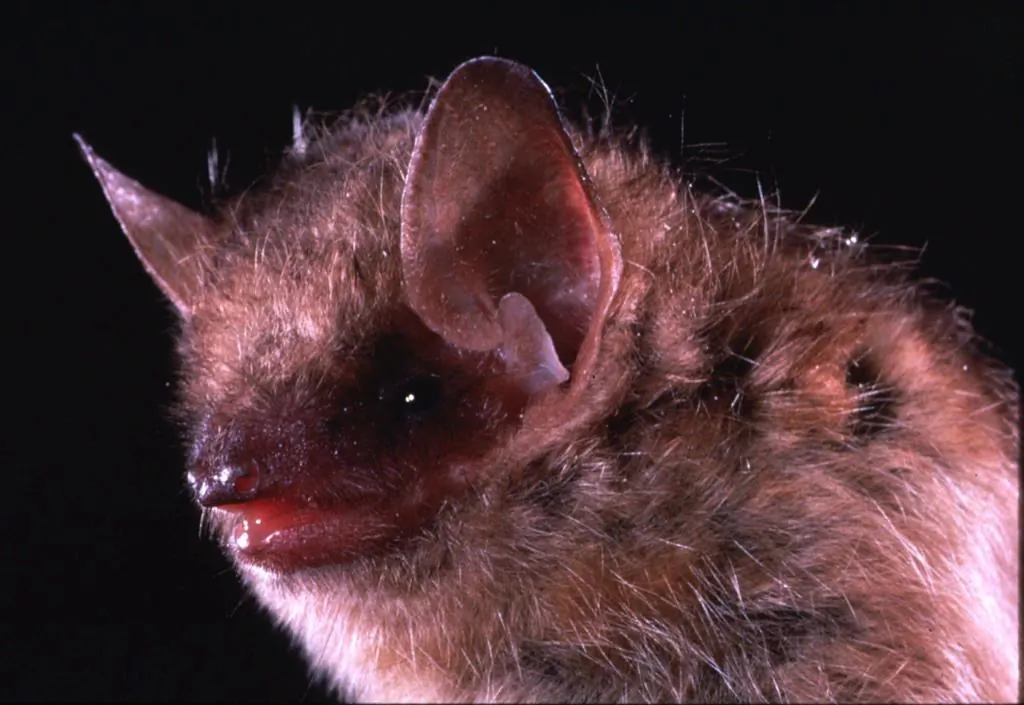

An Ontario daycare facility has reopened after being shut down following the discovery of a bat that tested positive for rabies.
Creative Minds daycare in Brantford, Ont., was temporarily closed after the bat was discovered, according to Grand Erie Public Health (GEPH).
GEPH said the bat tested positive for rabies in results the agency received on Aug. 13.
Rabies is transmitted when someone is bitten by an infected animal and the virus enters through the bite wound or open cut. It can also be transmitted from the saliva or mucus of an infected animal and enter through the mouth or eyes, according to GEPH.
The health agency says it has now lifted the temporary closure of the daycare.
Spokesperson Lindsay English told The Epoch Times in an email that the closure order was lifted on Aug. 18.
“Grand Erie Public Health has been working closely with Creative Minds Daycare to ensure all necessary health and safety measures were completed following the temporary closure order,” English said in the email.
She said that a public health inspector had performed a “thorough investigation of the facility.”
“We can confirm the operator has fully complied with the requirements, including pest control intervention and sanitation,” English said.
The Epoch Times attempted to contact the daycare but did not hear back by publication time.
GEPH said that after the animal was found, the daycare was fully inspected, and confirmed that “no additional bats are present.”
It said that parents and caregivers have been provided with information on post-exposure precautions in a letter that was sent home to families.
“All individuals who had direct contact with the bat have been identified and contacted by public health and have been advised to receive post-exposure prophylaxis (PEP) to prevent rabies infection,” the health agency said on its website.
It said the risk of contracting rabies in Ontario was “low,” and noted that it was a “serious viral infection that can be fatal if not treated before symptoms begin.”
“Wild animals such as foxes, raccoons, skunks, and bats can carry and spread rabies. Even small bites or scratches—sometimes too small to see—can transmit the virus,” the website said.
The health agency recommended people avoid touching, approaching, or feeding wild animals, even if they appear healthy. It also said it was important to ensure pets and livestock have been vaccinated against the virus.
GEPH advised people to call animal control for help if they find a bat in their home.
“Do not attempt to remove it yourself,” the website said.
An Ontario child died after contracting the virus from a bat in October 2024, the Haldimand-Norfolk Health Unit confirmed at the time.
Dr. Malcolm Lock, acting medical officer of health for the unit, confirmed the child’s death during a board of health meeting. He said the child woke up and the bat was in the room. Lock said the child’s parents did not see any signs of a bite and did not seek out a rabies vaccination.
He also said the virus has been increasing in the bat population, with a 16 percent positivity rate in 2024. In previous years, the positivity rate has been less than 10 percent.
GEPH has advised people to stay away from animals that look sick or injured, or are “acting unusually.”
The agency also recommends anyone who may have been exposed to rabies get medical attention quickly.
The Canadian Press contributed to this article.
 Friends Read Free
Copy
Facebook
Tweet
Friends Read Free
Copy
Facebook
Tweet