
Over 500 fuel stations across Australia have run dry of at least one type of fuel, even as the federal government insists overall supply remains stable.
The country has about 6,646 petrol stations, according to Digital Atlas Australia.
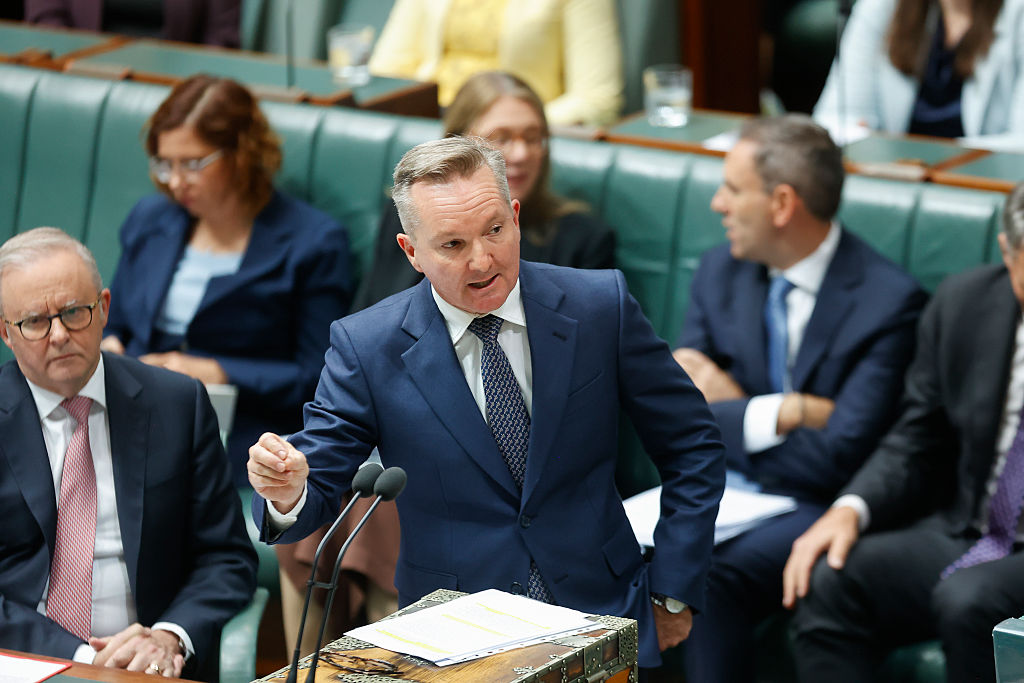
Energy Minister Chris Bowen told the parliament on March 26 that shortages affecting petrol, diesel or both had spread across multiple states, with New South Wales (NSW) being the worst hit.
Australia’s most populous state recorded 178 fuel stations without diesel, and 48 with no fuel at all. Often shortages have a larger impact on regional service stations.
Queensland reported 55 sites without diesel and 33 without regular unleaded, while Victoria had 45 without diesel and 72 without unleaded.
South Australia recorded nine sites without diesel and 10 without unleaded. In Western Australia, 40 sites had no diesel and 14 no unleaded. Tasmania reported five sites without diesel and nine with some form of outage.
In the Australian Capital Territory, two sites had no diesel and one no unleaded, though Bowen said such shortages are typically resolved within an hour. The Northern Territory recorded no station had run dry.
The figures were shared after Shadow Energy Minister Dan Tehan pressed for more regular updates. Bowen said the federal government and state premiers were already working to provide daily briefings.
Supply Being Replenished Amid Panic Buying: Minister
Bowen said supply disruptions over the weekend had been addressed, with six cancelled shipments from Malaysia, Singapore and South Korea replaced by alternative cargo from other countries.
“And our two refineries are working full pelt with all their production exclusively for Australian use,” he said, acknowledging “real shortages, particularly in regional areas that need to be addressed.”
The minister pointed to panic buying as a key factor behind supply strains.
Citing data from the fuel distributor and retailer Ampol, he said deliveries from the company to independent distributors surged compared to the same time last year—up 40 percent in regional NSW, 33 percent in Queensland, 66 percent in South Australia, 22 percent in Tasmania, 19 percent in Victoria and 64 percent in Western Australia.
Ampol’s total supply, including to its retail outlets, has also risen, with increases of 34 percent in New South Wales and 44 percent in South Australia.
“That does not mean there aren’t shortages as we’re dealing with the increased demand and with recovering as the supply chain recovers, as it had during covid,” Bowen said.
“When you get a big increase in demand, it takes time for the supply chain to recover.
“But the fact that that supply to regional Australia is up substantially shows that the measures this government has put in place, with industry working close in collaboration with the states, are seeing real progress.”
Food Supply Concerns Raised
The fuel shortages have also raised concerns among politicians about their broader impacts on agriculture and essential services.
One Nation MP Barnaby Joyce said farmers were struggling to access fuel, questioning whether supply constraints could disrupt food production and transport.
Agriculture Minister Julie Collins acknowledged the challenges but sought to reassure that food supply would not be affected.
“So the member opposite shouldn’t be panicking people when it comes to food supply in this country, we will continue to work with our farmers in relation to fuel and fertiliser,” she said.
Collins added that Australia produces more than enough to meet domestic demand, noting the country exports around 80 percent of its agricultural output by value.
 Friends Read Free
Copy
Facebook
Tweet
Friends Read Free
Copy
Facebook
Tweet