
Nationals Senator Matt Canavan has criticised the Labor government for signing up to a global commitment to phase out fossil fuels, arguing that it would put tens of thousands of people out of work.
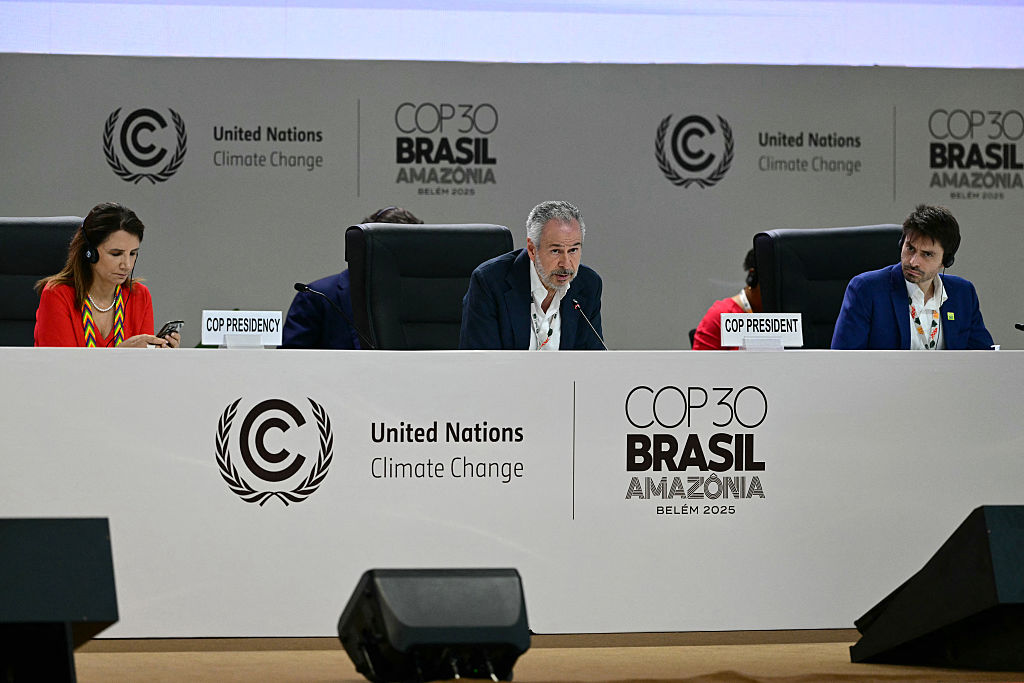
In late November 2025, Australia signed the Belém Declaration on the Transition Away from Fossil Fuels at the COP30 U.N. Climate Summit in Brazil, alongside 23 other countries.
While the declaration (pdf) is non-binding and lacks an enforcement mechanism, it signals the signatory countries’ support for a stronger push to limit average global heating to 1.5 degrees C above preindustrial levels.
The document outlines the principles of transitioning away from fossil fuels in a “just and equitable” manner, but does not provide a specific roadmap for the transition.
As such, signatory countries will need to devise and implement policy decisions according to their own circumstances.
It is worth noting that the document did not receive the endorsement of oil-producing countries such as Saudi Arabia and Russia.
While the Department of Climate Change stated it had worked with the Pacific and other countries to negotiate strong climate outcomes at the Summit, some advocacy groups have called for stronger government action.
Over 60,000 Jobs At Risk: Senator
During a recent Senate sitting, Canavan raised concerns about the impact of the Belém Declaration on local industries.
“The Energy Minister Chris Bowen, over in Brazil, without any communication to the coal and gas workers in this country, has signed up to an agreement which says … [it] wants to go towards, and I quote, a just, orderly and equitable transition away from fossil fuels,” he said.
The senator noted that many people would be at risk of losing their jobs if the government were to commit to the plan.
“There are 64,000 people … who work in the coal and gas industries in this country, and there are hundreds of thousands more that rely on those industries for their livelihoods as well,” he said.
“And the Labor government … who professes to support workers, has signed a death warrant for the jobs in those industries in Brazil.”
The employment figure provided by Canavan was relatively close to estimates by other organisations.
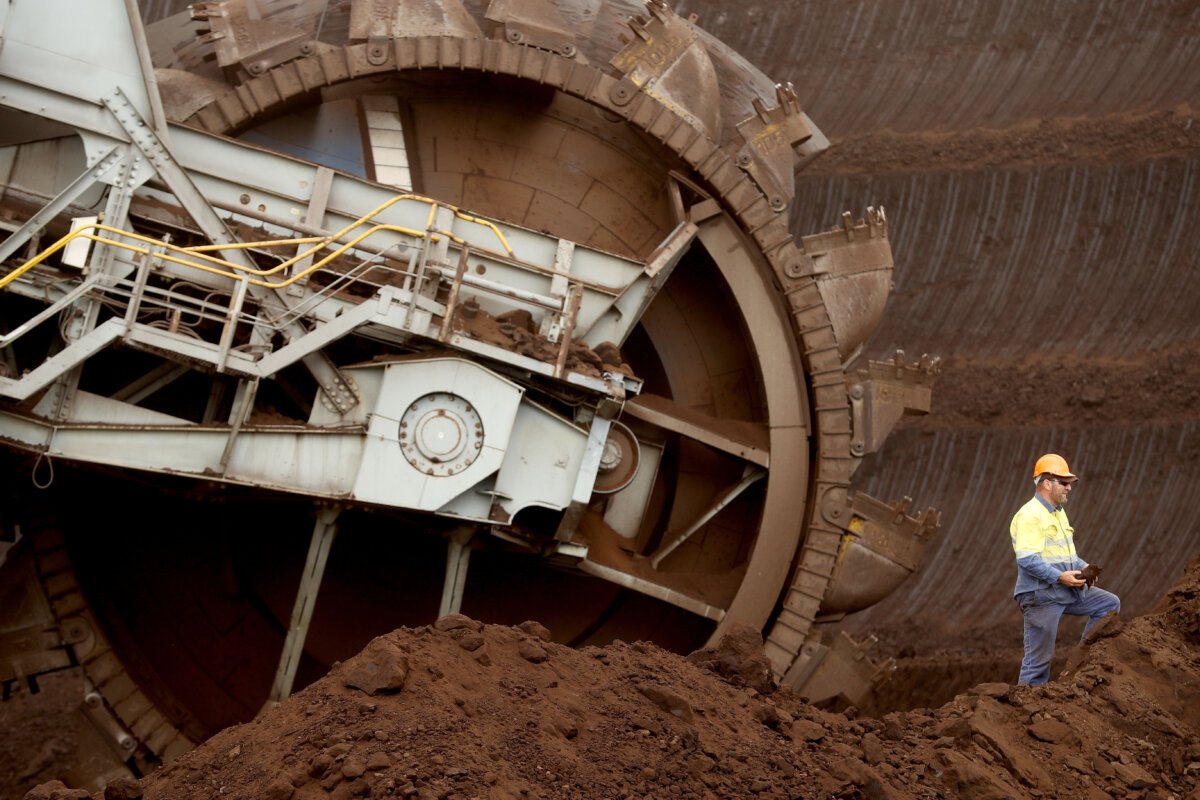
According to data from the business research firm IBISWorld, Australia’s coal mining industry employed around 50,600 people as of 2024.
Meanwhile, a 2024 report (pdf) by the Australian Energy Producers, a peak industry body, revealed that 22,000 workers were employed in the oil and gas extraction sector alone in the 2022-23 financial year.
Why Join 23 Small Countries?: Senator Asks
Canavan pointed out that the other 23 countries that signed the declaration are small economies with limited influence in global political affairs.
“So we’ve signed up with Austria, with Belgium, Cambodia, Chile, Colombia, Costa Rica, Denmark, Fiji, Finland, Ireland, Jamaica, Kenya, Luxembourg, Marshall Islands, Mexico, Micronesia, Nepal, Netherlands, Panama, Spain, Slovenia, Vanuatu and Tuvalu,” he said.
“These countries represent less than 10 percent of the world’s GDP.”
The senator then questioned the rationale of Australia joining those countries in phasing out fossil fuels at the expense of the local economy.
“Why are we signed up with such a small number of countries and be out of step with the rest of the world? None of those countries is in the top 15 of our trading partners,” he asked.
“Why are we joining with those countries and then letting other countries in our region, our trading partners, take our coal and gas and supply jobs to their countries?
“Why would we seek to shut down our nation’s second and third largest export? It’s not just the workers; these exports, these industries support the wealth of all Australians.”
Global Expansion of Fossil Fuel Production
Canavan’s comment came as major economies around the world are implementing new policies to step up their fossil fuel production.
On Nov. 7, 2025, the U.S. Department of the Interior kick-started the opening of the Gulf of America to oil and gas drilling by unveiling plans for the area’s first lease sale.
The move was part of the Trump administration’s push to re-establish the United States as a major oil and gas exporter and strengthen its position as a global energy powerhouse.
Under the first of 30 planned sales, half of the area of the Gulf of America, around 80 million acres, will be open to investors.
The entire region is estimated to contain 29.6 billion barrels of extractable oil and 54.8 trillion cubic feet of natural gas.
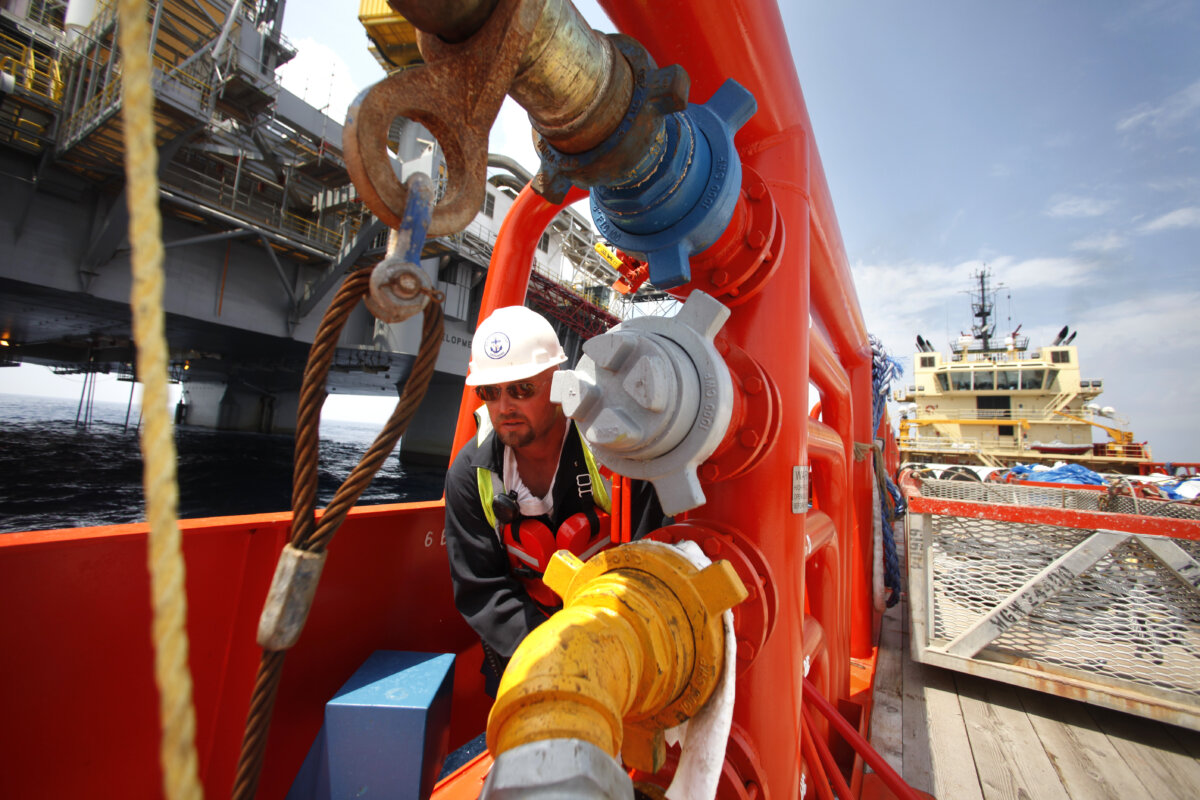
The Bureau of Ocean Energy Management is expected to set the royalty rate for both shallow- and deep-water leases at the lowest possible level—12.5 percent—to attract bidders.
Earlier, Interior Secretary Doug Burgum announced that the United States had set a new oil-production record, reaching 13.79 million barrels per day in August 2025, surpassing the previous record of 13.6 million barrels per day in July.
Meanwhile, several European countries—including Greece, Italy, and the UK—have taken steps in recent months to loosen energy restrictions and permit new oil and gas drilling, aiming to lessen their dependence on imported supplies. The European Union imports about 85 percent of its gas.
This move signals a reversal of the countries’ long-standing opposition to fossil fuels.
 Friends Read Free
Copy
Facebook
Tweet
Friends Read Free
Copy
Facebook
Tweet