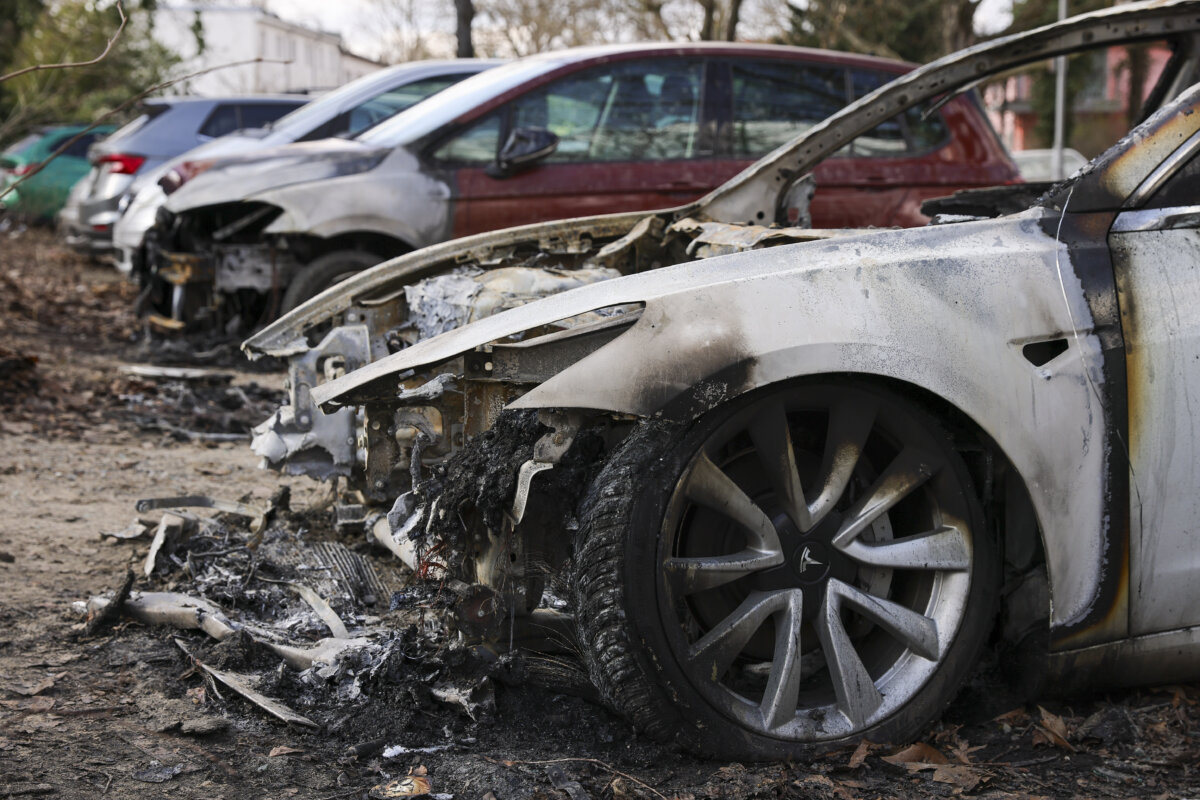

Electric vehicles are significantly less prone to fire incidents than petrol-powered cars, according to the testimony of representatives from the EV Council at a recent parliamentary inquiry into misinformation.
“We are experiencing a range of myths when it comes to electric vehicles,” EV Council CEO Julie Delvecchio told the Select Committee on Information Integrity on Climate Change and Energy.
“The first one I would like to just share as an example is that electric vehicles catch fire more than petrol cars do. That is false.”
Pointing to the number of EV-related fire incidents in Australia over the past decade, the CEO said it was quite small.
“In Australia, there have only been 12 verified EV battery [fires] since 2010, and we have an EV fleet of over 420,000,” she said, citing data from EV FireSafe.
“Many of the fires that have occurred have been the result of an external factor such as a collision or arson.
“[Meanwhile,] the New South Wales (NSW) fire and rescue service responds to, on average, eight petrol and diesel vehicle fires every day.”
Delvecchio also noted that EVs are less susceptible to fire, based on international data.
“International data shows that petrol vehicles are between five and 20 times more likely to experience a fire per 100,000 vehicles,” she said.
“So the reality is that electric vehicles are statistically safer from fire risk than internal combustion engine vehicles.”
Delvecchio then highlighted the importance of debunking misinformation on EV fires.
“The impacts of misinformation on electric vehicle uptake are that it harms consumer confidence, it has an impact on policy development and skews the public debate, it has an impact on investor confidence, and it also harms Australia’s ability to meet our climate goals,” she said.
International Data on EV Fires
Delvecchio’s comments came after a March 2025 report (pdf) by Fire and Rescue NSW revealed that EV fire rates ranged from three to 25 incidents per 100,000 registrations across the Australian state and other overseas jurisdictions in 2021-23.
In comparison, the fire rates for internal combustion vehicles ranged from 15.8 to 58.2 per 100,000 registrations.
While European countries such as Norway, Sweden, the Netherlands, and England reported a much lower ratio of EV fires to conventional vehicle fires, the picture was different in some Asian countries.
For example, in 2023, South Korea recorded about 13 EV fires per 100,000 registrations, compared with 16 per 100,000 for internal combustion vehicles.
In China, the fire rate for both types of vehicles was roughly the same at nearly 20 per 100,000 registrations.
EV Fires Increase With Higher Uptake: Report
The report highlighted that various factors contributed to discrepancies in fire data across those countries, including the age of the vehicle and the onset of battery cell aging, the quality of vehicles and charging equipment, and climatic and environmental conditions.
Regarding the high number of fires in China, the report said it was related to the sheer number of EVs in the country.
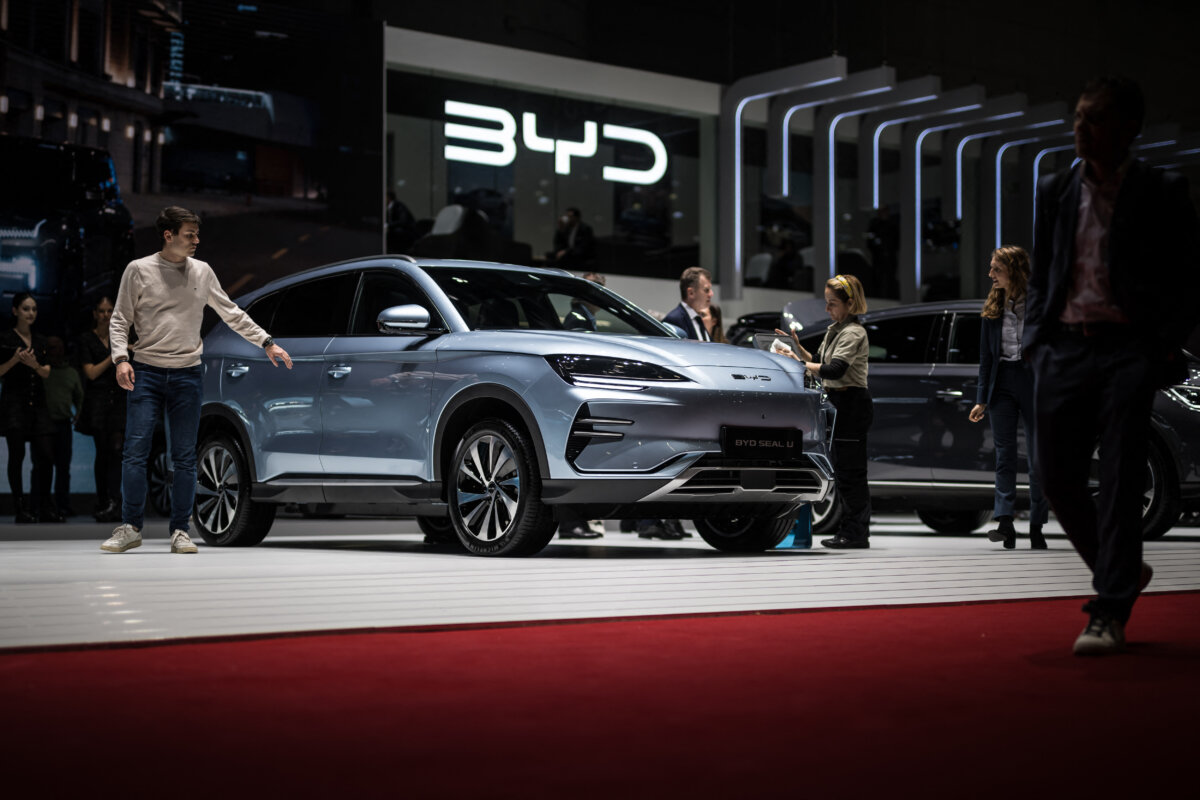
“When we consider that catastrophic battery cell failures are estimated to occur at the rate of one in 10–40 million cells, depending on the quality, and that an average EV battery has between 3,000 and 9,000 cells, the potential for fires increases with the number of EVs in use and is likely to accelerate in proportion to uptake,” it said.
 Friends Read Free
Copy
Facebook
Tweet
Friends Read Free
Copy
Facebook
Tweet