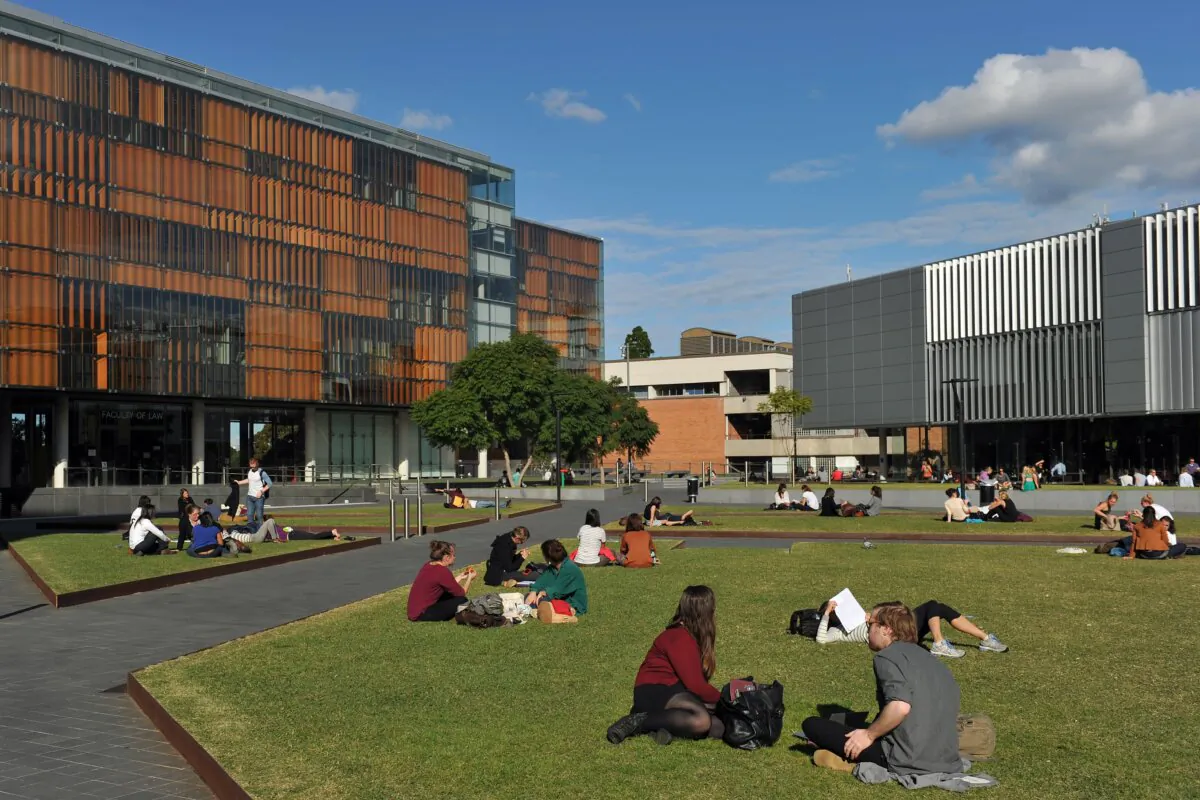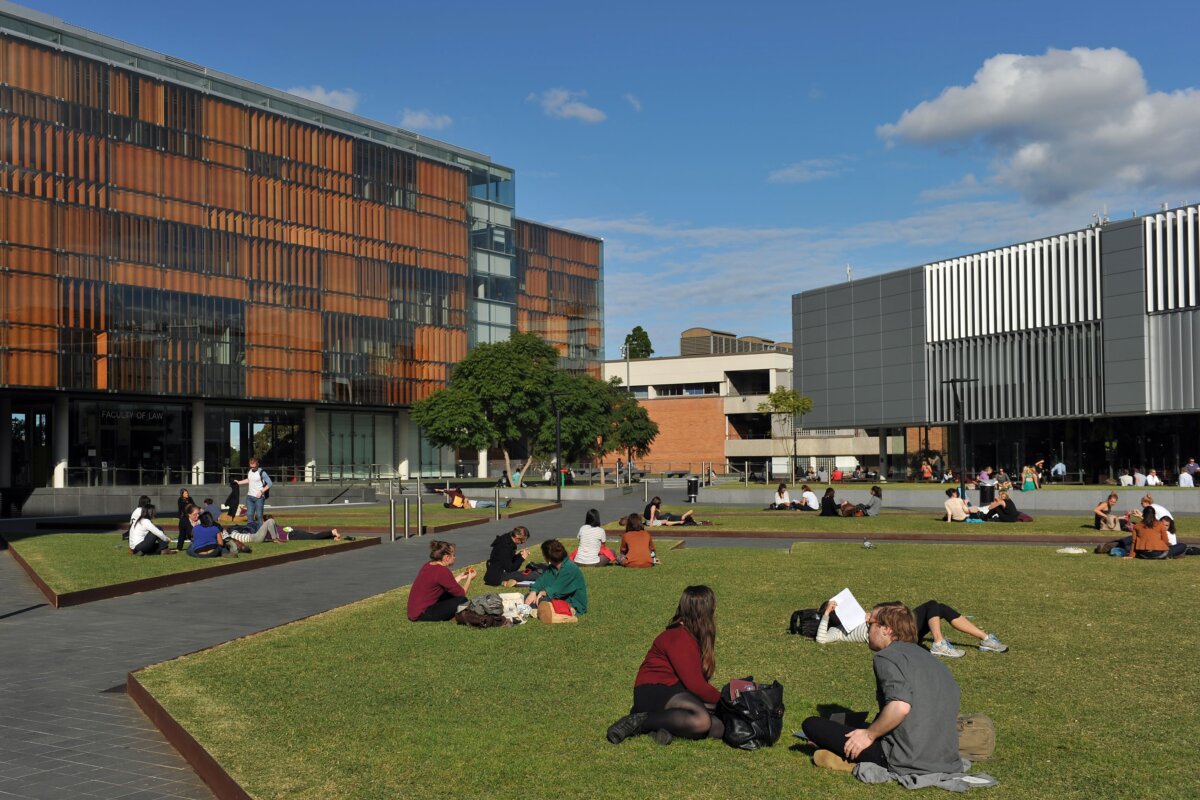

Overwhelming pressure to attend university as opposed to undertaking vocational career paths may lead to mental health issues for Australian students, according to a recently published research paper.
Six pedagogical academics at the University of Newcastle conducted a study in which they initially interviewed 692 high school students in New South Wales between 2012-2017 regarding their post-school aspirations.
They then picked 22 of these same students to reinterview in 2021 when they had completed formal schooling to follow up on the pathways they eventually pursued.
The researchers found that the most common trend realised among participants was the glorification of university as the only post-school pathway worth pursuing.
“I think there’s quite a lot actually of … pressure given, not from all teachers, but some teachers, to really go towards higher education … I’d say I felt pressured as a group, or as like, as a generation … I just think that was just an overarching expectation,” one respondent said.
Another touched on the paradigm that compares university to vocational education.
“Personally, I’ve just always pictured uni, like, I don’t know, being more successful. If you do uni, then you’ll be more successful afterwards compared to if you just did TAFE or an apprenticeship,” the person said.
The majority of participants reported experiencing high levels of stress and forms of mental illness as a result of their time at university, particularly those from lower-income backgrounds who suffered from a lack of support services.
One respondent from regional Australia said her time at university exacerbated her diagnosed anxiety and depression.
“It just got too much; I got too sick. I had no support system there. The university itself, it was really hard to get track of support and even though I was seeing a university counsellor, I got like 20 minutes and my counsellor was a student and it was, once a month, and it was just, I couldn’t handle being away from home with all those stresses and so little support,” she told researchers.
According to a YouthSense survey conducted in 2019, 28 percent of young Australians report feeling deterred from vocational study due to social stigma.
In Australia, higher education participation rates are at a record high, with enrolment having increased by 41 percent over the last decade. In contrast, the percentage of roles classified as professional in the labour force remains less than 20 percent.
In essence, Australia is producing exponentially more tertiary graduates for the same number of jobs in professional services.
Skills Shortage
Meanwhile, Australia continues to face a prolonged skills shortage for employment in more vocational occupations.
The government’s Jobs and Skills Department released their annually curated Skills Priority List (SPL) in September (pdf).
It found that across all three SPLs published between 2021-2023, 138 occupations were in shortage each year. Technicians and trade-oriented occupations comprised 49 percent (67 out of 138) whilst professional occupations accounted for 40 percent (55 out of 138.)
The majority of the professional occupations experiencing shortages were in fields like engineering, health, information technology, and science.
Financially, employment in the trades may be a better option than many professional occupations that require tertiary qualifications, given that worker shortages in certain sectors have a tendency to push wages up.
According to research released earlier this year from the Australian Industry Group (Ai Group) based on earnings from a number of 25-year-olds, apprentices and trainees reported earning an average weekly income of $1,421 (US$955)—$200 more than those with postgraduate degrees and $250 more than those with bachelors.
This is also before accounting for the disparity in costs between formal tertiary education and vocational education.
A TAFE certificate or diploma can range between $200 to $19,000, whilst a bachelor’s degree can range between $16,000 and $40,000.
In terms of mental health, tradies come out on top as well. According to the same Ai Group survey, the 25-year-old tradespeople that took part generally reported feeling happier in life and more satisfied at work than their university graduate counterparts.
 Friends Read Free
Copy
Facebook
Tweet
Friends Read Free
Copy
Facebook
Tweet