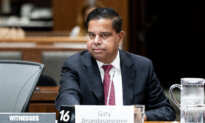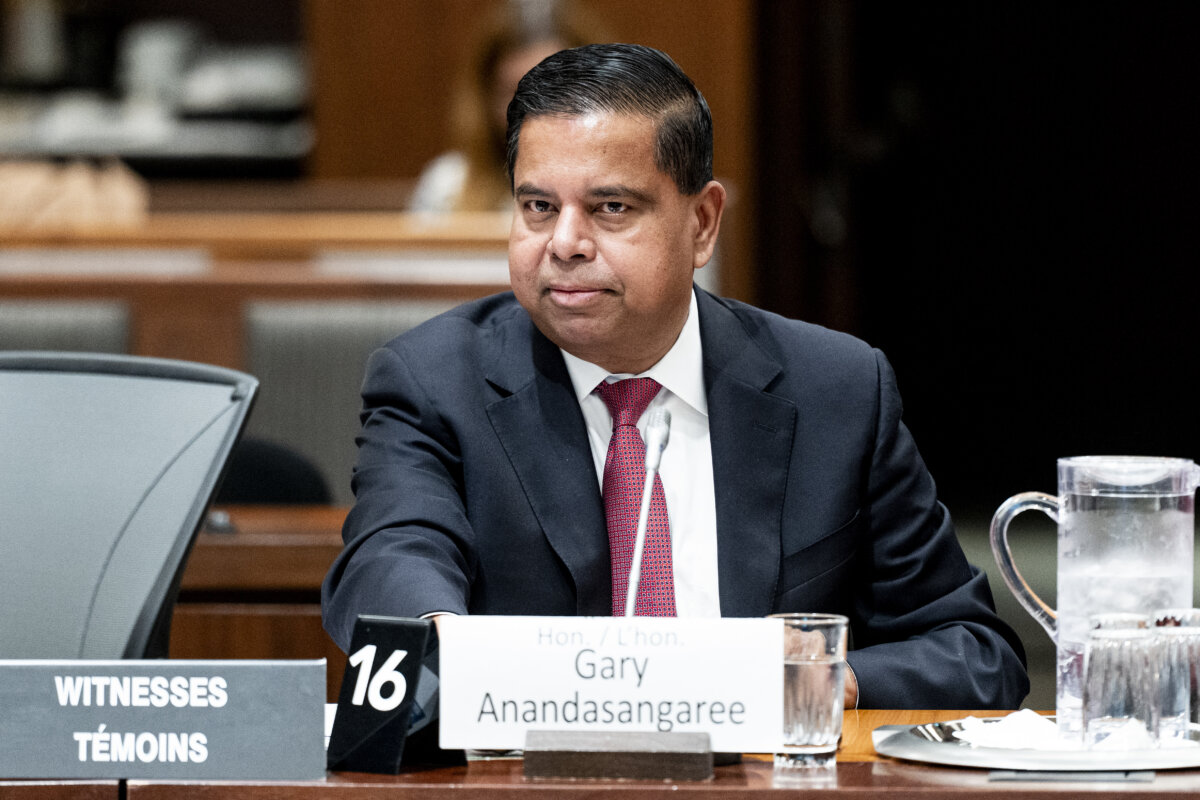
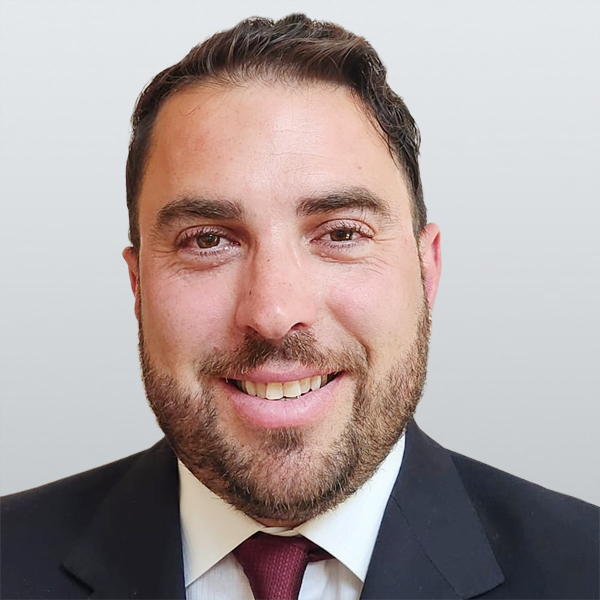
Public Safety Minister Gary Anandasangaree said the government has made significant progress in securing the Canada-U.S. border, while Conservatives criticized the government over 32,000 unaccounted-for illegal migrants during committee hearings Oct. 23.
Anandasangaree testified before the House of Commons public safety committee, alongside “fentanyl czar” Kevin Brosseau and Canada Border Services Agency (CBSA) President Erin O’Gorman. The three touted progress on border security and crackdowns on illegal drugs, despite O’Gorman acknowledging there are warrants out for 32,000 absconded illegal migrants.
“We’ve increased the resources along the border and are investing in new technologies to improve surveillance and detection. Southbound irregular migration between Canada and the United States has dropped 99 percent since last year,” Anandasangaree said, adding that this includes the creation of a North American Joint Strike Force focused on stopping fentanyl precursor chemicals from crossing the border.
Anandasangaree also referenced $55 million in funding to boost CBSA’s deportation capability. In addition, he urged MPs present to vote in favour of Bill C-12, the Strengthening Canada’s Immigration System and Borders Act, saying it will bring the kind of “decisive action” that will interrupt money laundering operations, crack down on organized crime, and boost immigration enforcement.
32,000 Unaccounted for Illegal Migrants
Anandasangaree said CBSA has removed more than 18,000 people in 2024–2025, up from 16,000 the previous year, referring to this as evidence of Canada’s increasing commitment to enforcing immigration law.
Asked by Conservative MP Frank Caputo for answers on how many people slated for deportation are unaccounted for, Anandasangaree declined to answer. Later questioning of O’Gorman by Caputo led to her saying that there are currently 32,000 active warrants for illegal migrants who have absconded.
“We have 32,000 warrants for people … who are in our wanted inventory that we are actively looking for,” O’Gorman said, adding that these numbers are “fluid.”
Caputo responded that he is “befuddled” by the number that have been “lost.”
Budget Cuts, Staff Hires
Anandasangaree confirmed that the RCMP and CBSA are both having their budgets cut by 2 percent under Ottawa’s spending review, but both are receiving 1,000 new staff each.
O’Gorman said the CBSA will be growing its ability to use radar, drone, and maritime surveillance to enhance border security, with the first 800 of the CBSA agents slated to begin a full 18-week training at the CBSA college facility in Rigaud, Que., and the additional 200 to be “operational” staff who assist in investigations and domestic enforcement in a support capacity.
Bloc Québécois MP Claude DeBellefeuille said that slashing the budget while trying to grow capability for enforcement doesn’t make sense and is not a “wise decision.”
“Their total budget is $17 million and the cut that they’re being asked is in the order of $3 million and so that’s what the government’s asking for. So you’re saying they’re going to have more power for sharing information between the agencies, but we’re reducing their ability to investigate, which this agency was created for this purpose,” DeBellefeuille said.
“So I tell you, sincerely, I know everyone has to make an effort, but I don’t think that this is a wise decision to reduce the ability of review and investigation of this agency.”
Mexican Cartels in Canada
Conservative MP Dane Lloyd brought up the matter of Mexican cartel presence in Canada, asking if Anandasangaree agreed that the 2016 lifting of visa requirements for Mexicans had strengthened cartel smuggling operations into Canada.
Anandasangaree said that he wouldn’t speculate on a “causal link,” but acknowledged that the government later reapplied the visa requirement for Mexican citizens in February of last year.
Asked about a 2016 CBSA report that had warned that lifting the visa requirement would empower Mexican cartels, O’Gorman said that although her agency did give data to help in the policy review, the decision to waive visas for Mexicans was “political.”
RCMP Commissioner Michael Duheme, who also testified in the proceedings, noted that the government has recently classified six Mexican cartels and one Venezuelan cartel as “terrorist entities,” giving authorities “more tools to lay charges.”
Fentanyl
Commissioner of Canada’s Fight Against Fentanyl Kevin Brosseau also testified, saying that Canada and the United States are working together to stop the “scourge that has led to the deaths” of more than 50,000 lives since 2016.
Working with the North American Strike Force and Operation Blizzard targeting maritime, air, and postal systems, Brosseau said 691,000 packages have been inspected, resulting in 116 fentanyl seizures amounting to 1.73 kilograms.
Duheme said a national police effort earlier in the year led to 524 fentanyl-related arrests, and around 500 kilograms have been seized in under a year.
 Friends Read Free
Copy
Facebook
Tweet
Friends Read Free
Copy
Facebook
Tweet