The Quebec government is planning to table legislation this week to impose new restrictions on religious symbols, public prayer, and funding for religious schools.
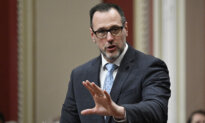
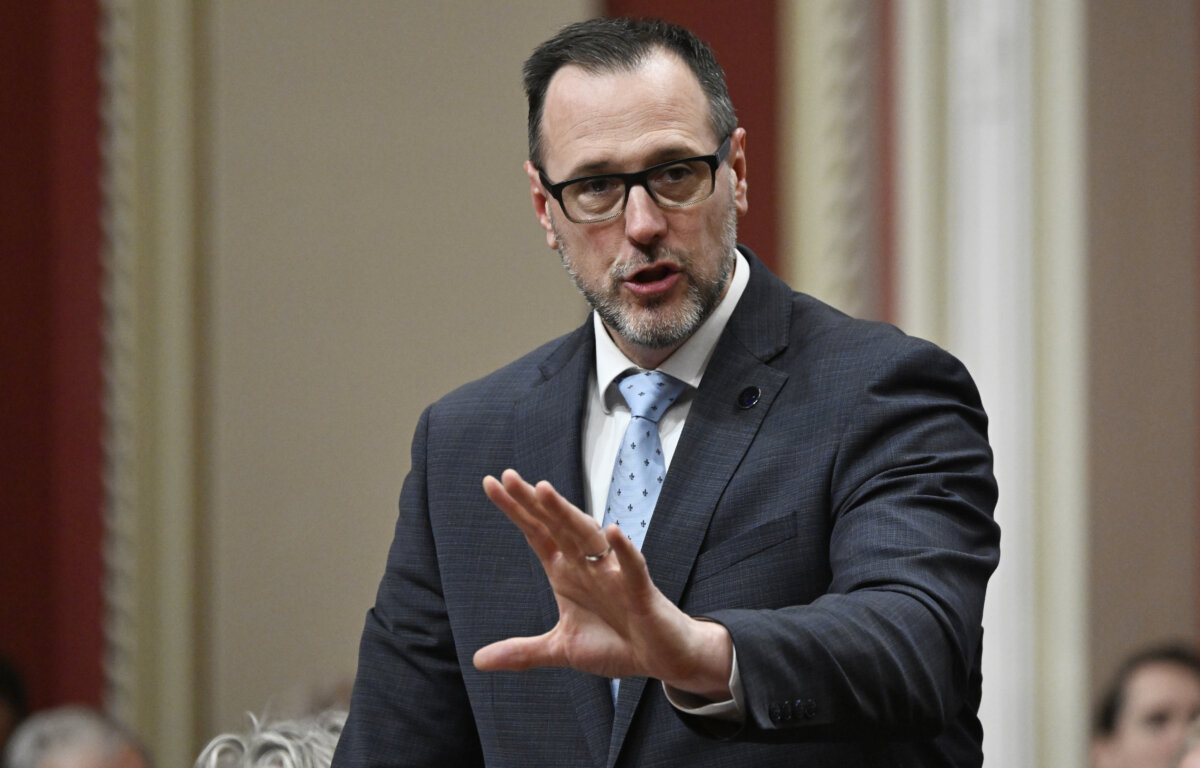
Quebec Secularism Minister Jean-François Roberge is expected to table the new secularism bill on Nov. 27, more than six years after the province passed its ban on religious symbols.
Roberge told reporters in Quebec City on Nov. 25 that the province’s secularism rules are due for an upgrade since the passage of Bill 21 in 2019, which banned teachers, judges, and police officers from wearing religious symbols at work.
“Quebecers have advanced since 2019, which means it is necessary to strengthen our model of secularism,” Roberge told reporters. He said the bill would be “ambitious, but moderate.”
Quebec recently expanded the ban to prohibit any worker in public elementary and high schools from wearing religious symbols, and to forbid students from covering their faces.
The new legislation is expected to extend the province’s ban on religious symbols, like hijabs and turbans, to those working in daycares, colleges, universities, and private schools, sources told multiple media outlets.
Religious symbols will also be prohibited from appearing in communications by public institutions, a measure which comes partly in response to a controversy last year involving a welcome poster at Montreal’s city hall featuring a woman wearing a hijab. Images like these will no longer be allowed under the new bill, sources said.
Roberge also said the new bill will deliver on his recent promise to ban prayer in public places, which came after an increase of public prayers during pro-Palestinian demonstrations in major cities in Canada following the Israel-Hamas conflict. Roberge said it’s “shocking” to see people using prayer to block streets as a form of “provocation.”
Quebec Premier François Legault said in a speech before the National Assembly last month that the province was under threat from “radical Islamists” seeking to undermine Quebec’s values. The premier said Islamists are attempting to impose their own values on Quebecers, citing women’s equality as an example.
Meanwhile, the Canadian Muslim Forum said in August it was concerned the province was preparing legislation to ban prayer in public spaces. The group said the province should focus on solving “real problems” instead of “policing the fundamental rights of its citizens.”
The new secularism bill is expected to ban prayer rooms in public institutions like colleges and universities, and will also prohibit full face coverings for post-secondary students.
The bill will not ban face coverings in public however, despite Roberge voting in favour of such a restriction in September. He said he voted in favour of the amendment because the subject was worth debating and could promote secularism while also strengthening public security.
The legislation is also expected to place some restrictions on government funding of the approximately 50 subsidized private religious schools across the province. Legault has previously defended the funding against calls from opposition parties to restrict it.
Subsidized daycares will also be forbidden from serving food based exclusively on a religious tradition under the new bill. This could include a menu featuring only halal food, for example.
The sources also said the provincial government is considering whether to invoke the notwithstanding clause of the Charter to protect the legislation from constitutional challenges. The notwithstanding clause was invoked for both the 2019 secularism bill and the recently passed legislation that extended the religious symbols ban.
Chandra Philip, Matthew Horwood, and The Canadian Press contributed to this report.
 Friends Read Free
Copy
Facebook
Tweet
Friends Read Free
Copy
Facebook
Tweet