
The Reserve Bank of Australia (RBA) expects that the headline inflation will peak at 4.8 percent in this June quarter.
During her speech at the Bloomberg Forum for Investment Managers on May 19, RBA Assistant Governor Sarah Hunter said the Iran conflict was exacerbating inflation in Australia through multiple channels.
“First, the increase in the cost of filling our cars with fuel is flowing directly through to higher headline inflation in Australia [and globally],” she said.
“Australian petrol prices rose by 36 percent at their peak, though they’ve fallen back in recent weeks reflecting both domestic lower refined oil prices and excise changes. Diesel prices rose by even more, and remain well above pre-conflict levels.
“Largely via these direct effects, our May forecasts see headline inflation peaking at 4.8 percent in the June quarter, significantly higher than was expected in our February forecasts.”
Hunter’s comments come as Australia has seen a sharp rise in inflation after the United States and Israel launched coordinated military strikes against the Iranian regime in late February.
Data from the Australian Bureau of Statistics showed the Consumer Price Index (CPI) rose 4.6 percent over the year to March, up from 3.7 percent in February, while inflation rose 1.1 percent in March alone.
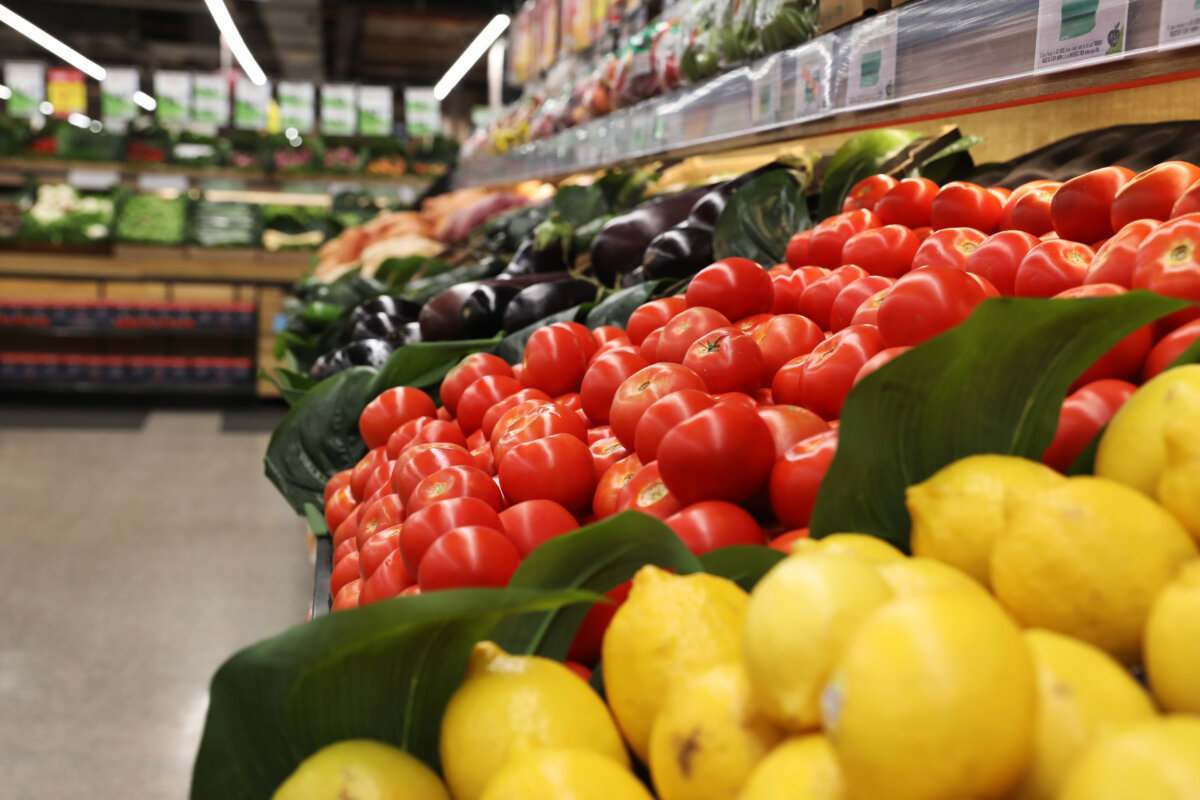
The largest contributors to annual inflation were Housing (up 6.5 percent), Transport (up 8.9 percent) and Food and non-alcoholic beverages (up 3.1 percent).
The RBA forecast that high oil prices would continue to add to inflationary pressures over the next year, contributing around 0.4 percentage points to underlying inflation by the March 2027 quarter.
“Underlying inflation then eases, and headline inflation falls due to declines in oil and travel prices,” Hunter said.
The assistant governor also suggested inflation could fall towards the two to three percent target band by early 2028, under the RBA’s baseline assumptions, which include a resolution of the Middle East conflict, lower oil prices and a cooling in the domestic economy.
“Altogether, this supports a decline in inflation to the middle of the target band by early 2028,” she said.
Persistent Inflation to Slow Down Economic Activities: RBA
At the same time, Hunter warned that if inflation expectations among the public remain high, there will be a “more substantial slowing” in economic activities.
The assistant governor explained that inflation was already above the RBA’s target band and domestic capacity pressures were elevated before the conflict in the Middle East triggered a sharp oil price shock.
In addition, some local companies had already increased fuel surcharges, with the higher costs flowing through broader supply chains.
“Moreover, if expectations rise persistently, it becomes harder for the central bank to bring inflation back to target, as it must both bring expectations back down and restore the balance between supply and demand,” she said.
“Doing so may require a more substantial slowing of economic activity, as we saw during the early 1990s recession.”
Hunter said recent research found that economic conditions determine how quickly and significantly higher costs are reflected in inflation.
“When capacity is constrained and inflation is already elevated, firms are more willing to adjust their prices,” she said.
“For example, some construction firms—who have been relatively highly exposed to transport and oil-derived raw materials cost increases—are reviewing prices for new contracts. This is particularly the case in regions where demand is still growing strongly and supply capacity is constrained.”
 Friends Read Free
Copy
Facebook
Tweet
Friends Read Free
Copy
Facebook
Tweet