
New real-world testing has found several electric vehicle models sold in Australia are falling short of their advertised driving range, while many hybrid models are using more fuel than claimed.
Results from the Australian Automobile Association (AAA) highlighted the extent of the gap between laboratory and real-world performance.
For example, the Haval Jolion Hybrid from Chinese automaker Great Wall Motor (GMW) used 27 percent more fuel in real-world conditions than advertised, making it “less fuel-efficient than some petrol or diesel small SUVs.”
The Audi Q5 and GWM Haval H6 Hybrid both recorded fuel consumption 19 percent higher than their lab-tested figures, followed by the Honda ZR-V at 10 percent.
While the Mazda CX-60 used 5 percent more fuel in real-world testing, the Kia Sorento Hybrid was closer to its claim, with only a 2 percent difference.
EV Driving Range Falls Short
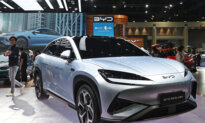
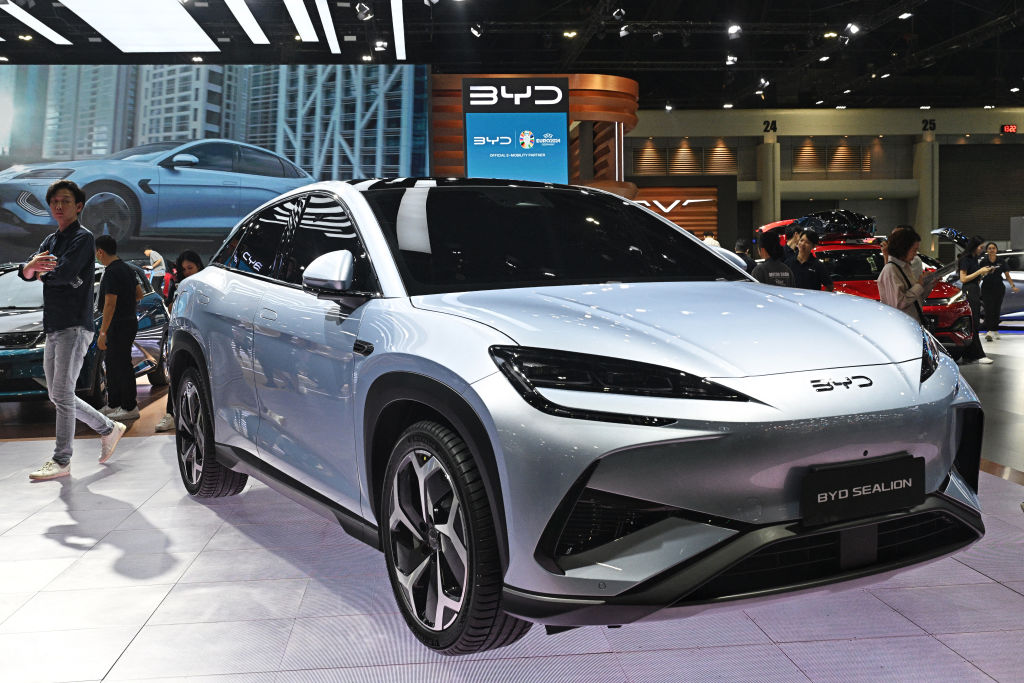
Regarding electric vehicles, Chinese-made BYD Dolphin and BYD Sealion 7 fell short of their advertised driving ranges by 24 percent and 17 percent, respectively.
Driving range refers to the distance a vehicle can travel on a single battery charge.
On the flip side, the Kia EV 5, a South Korean brand manufactured in China, fell about 3 percent short of its advertised range, achieving 537 kilometres instead of 555 kilometres.
AAA Managing Director Michael Bradley said Australian car buyers were right to be “deeply sceptical” of the fuel consumption information carmakers were providing.
“The current fuel crisis has heightened awareness that carmakers are highly incentivised to build cars that perform very well in the laboratory test used to regulate vehicle emissions, but that most of these same cars perform very differently when driven in the real-world,” he said.
“Now more than ever, it’s critical that Australian consumers know exactly how much fuel a car will actually use, how much they will cost to run, or how far they will go on a single charge.”
Since 2023, the AAA has tested 154 petrol, diesel and hybrid vehicles with funding from the federal government. Three quarters of these vehicles were found to use more fuel than advertised.
The AAA has also tested 15 EVs, finding that none achieved their advertised driving range, with differences ranging from -3 to -31 percent.
EV Sales Surge
The AAA’s testing results came as recent data from the Federal Chamber of Automotive Industries (FCAI) showed EV sales rose dramatically in March, reaching their highest share of the Australian market to date.
Battery EVs accounted for a record 14.6 percent of new car sales in March 2026, with 15,839 vehicles sold, up from 7.5 percent in the same month in 2025.
FCAI chief executive Tony Weber said the report showed strong growth in EV demand, however he warned it was too soon to say if this would be a long-term trend.
“It is too early to determine whether this represents a structural shift in the market. More consumers are considering EVs due to the disruption to fuel supply caused by conflict in the Middle East, along with the review into the fringe benefits tax concession for EVs,” he said.
 Friends Read Free
Copy
Facebook
Tweet
Friends Read Free
Copy
Facebook
Tweet