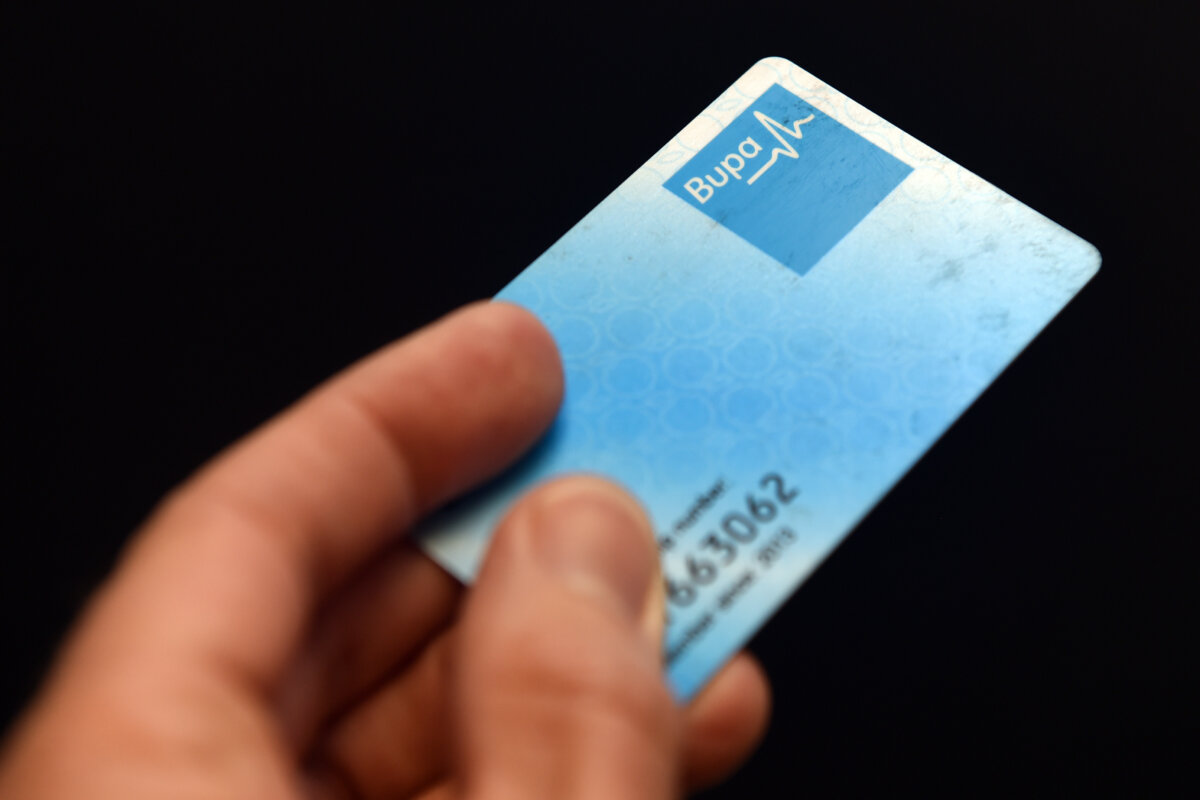

Australians are facing another cost-of-living hit, with private health insurance premiums rising 4.41 percent from April—one of the steepest increases in recent years—adding pressure to already stretched household budgets.
The increase follows last year’s 3.73 percent rise and comes as healthcare costs climbed 5 percent over the past financial year.
New figures from the financial comparison website Canstar suggested that rising costs are not driving people away from private health insurance, but are changing how they use it.
More than half (52 percent) of surveyed policyholders said they planned to review or alter their cover following the latest increase, pointing to a growing affordability squeeze.
Around 24 percent of policyholders planned to switch insurers in search of cheaper options. Others were cutting back more directly: 18 percent intended to increase their excess, 17 percent planned to drop extras cover, and 13 percent were considering reducing hospital cover or moving to a lower tier.
Private Health Insurance Participation Grows
Despite rising costs, more Australians are signing up for private health insurance.
Hospital cover membership—a key component of private health insurance—grew to 12.7 million Australians over the past year, up 2.3 percent and bringing overall coverage to 45.6 percent of the population.
Government policy settings continue to anchor participation, with the Medicare Levy Surcharge and Lifetime Health Cover loading make opting out financially unattractive for many Australians.
For someone earning just over $101,000 (US$69,800) a year, the Medicare Levy Surcharge amounts to 1 percent of their income or $1,010—more than the cost of some basic hospital policies. As incomes rise, the surcharge increases to 1.5 percent, strengthening the incentive to remain insured, even at a reduced level.
Data further confirms that private health insurance membership is holding firm across age groups, defying expectations of a youth exodus amid rising premiums.
According to the Australian Prudential Regulation Authority, total hospital cover grew by 2.3 percent in the past year, with strong gains among younger adults aged 15–29 (up 3.7 percent) and those aged 65+ (up 3.2 percent). Growth was also evident across most cohorts, except a slight dip in the 60–64 bracket (down 0.3 percent).
Costs Justify Hikes?
The government and insurers have maintained that rising costs are driving premium increases.
Health Minister Mark Butler acknowledged the pressure on households when the increase was approved in February this year.
“The government understands the pressure health insurance premium changes put on Australians and decisions about private health insurance premiums must put consumers first,” he said.
“This premium round has been guided by my commitment to maintain the value of private health insurance for Australians, while making sure the sector plays its part in supporting private hospitals facing rising costs and significant challenges.”
To assist households, the government said it would provide $7.9 billion in rebates for policyholders in 2026.
In the 12 months to Sept. 30, 2025, Australian insurers paid out $26.7 billion in benefits, including $20 billion for hospital treatment (up 6 percent) and $6.7 billion for general treatment (up 5 percent0.
Hospital accommodation costs per episode also rose 5 percent—the fastest increase since records began in 2008—adding to upward pressure on premiums.
Insurers argued that these cost increases, combined with wage pressures and the need to sustain private hospital viability, justify higher premiums.
“We want our customers to know we’ve worked hard to keep this year’s average premium adjustment lower than last year’s, and balance premium increases responsibly to help support our customers when it matters most,” Bupa Managing Director Kate Williams told The Epoch Times.
How to Save on Insurance Premiums
As higher premiums bite, Canstar experts said there were several steps consumers can take to ease the cost burden.
These include contacting insurers about potential bonuses or sign-up incentives, and increasing excess—though it must remain below $750 ($1,500 for couples) to avoid the Medicare Levy Surcharge.
Switching insurers remains the biggest lever, with potential savings of around $242 a year on silver policies, $1,387 on gold cover, and up to $2,684 for families.
 Friends Read Free
Copy
Facebook
Tweet
Friends Read Free
Copy
Facebook
Tweet