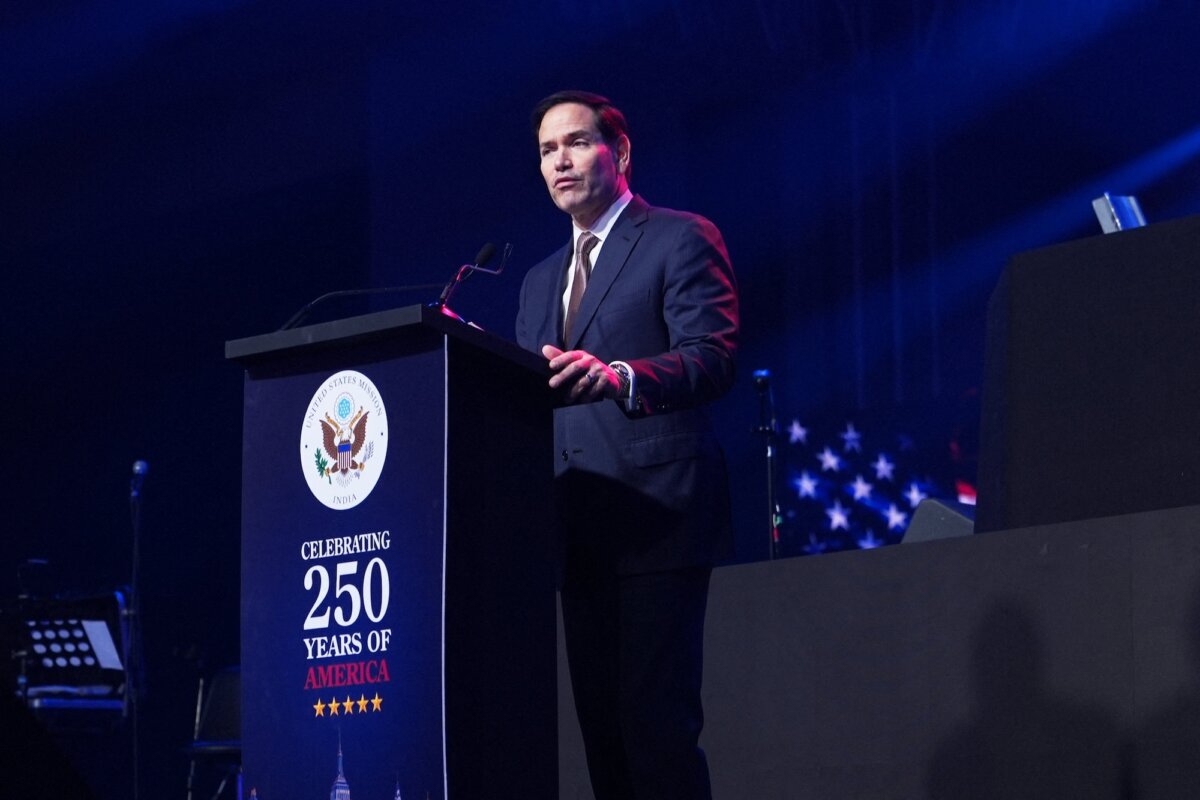

U.S. Secretary of State Marco Rubio said on May 25 that President Donald Trump will not accept a “bad deal” with Iran as the two sides continue to negotiate.
Rubio warned that unless the agreement is good for the United States, Trump will move to resolve the issue “another way,” hinting at the possibility of renewed attacks.
Rubio’s remarks, made during a media briefing in India, came amid reports that an agreement to end the Iran standoff has been largely negotiated, with Trump saying that America’s relationship with Iran was becoming “much more professional and productive” but that care must be taken in the final stretch of talks to ensure the deal is “right.”
“The President said he’s not in a hurry. He’s not going to make a bad deal,” Rubio said. “Let’s see what happens. We’re going to give diplomacy every chance to succeed before we explore the alternatives.”
While the terms of the agreement currently being hashed out remain unclear, much of the talks have focused on Iran’s nuclear program and on Tehran’s restrictions in the Strait of Hormuz, which have sent prices of oil and other key commodities soaring.
Trump’s latest signal on the status of the talks came in the form of a May 24 post on Truth Social, which featured an image of a bomb attached to an airplane, apparently ready to drop.
The president preceded the bomb post with a post insisting that the deal with Iran—if it is ultimately reached—would be a “good and proper one,” including blocking Iran’s path to acquiring a nuclear weapon.
Nuclear Issue
Preventing Iran from getting nuclear arms has been a key objective of the Trump administration. After bombing Iran’s nuclear facilities in Operation Midnight Hammer last year, the United States has pushed to secure and remove from the country any remaining enriched uranium, presumed to have been hit by the blasts and entombed deep underground.
It remains unclear whether the enriched uranium, which Trump has referred to as “nuclear dust,” would be part of the agreement that is currently being considered. While Trump has focused his rhetoric on preventing Iran from acquiring nuclear weapons rather than on the uranium stockpile itself, Israeli Prime Minister Benjamin Netanyahu said on May 24 that he considers eliminating Iran’s “nuclear danger” as removing the enriched material from its territory.
Iran says its uranium enrichment program is peaceful and that the country has no intention of using it to make nuclear weapons. Tehran is “ready to assure the world we do not seek nuclear weapons” and “does not desire regional instability,” Iranian President Masoud Pezeshkian said on May 24, state-run news outlet IRNA reported, adding that Israel is a destabilizing force “envisioning a Greater Israel.”
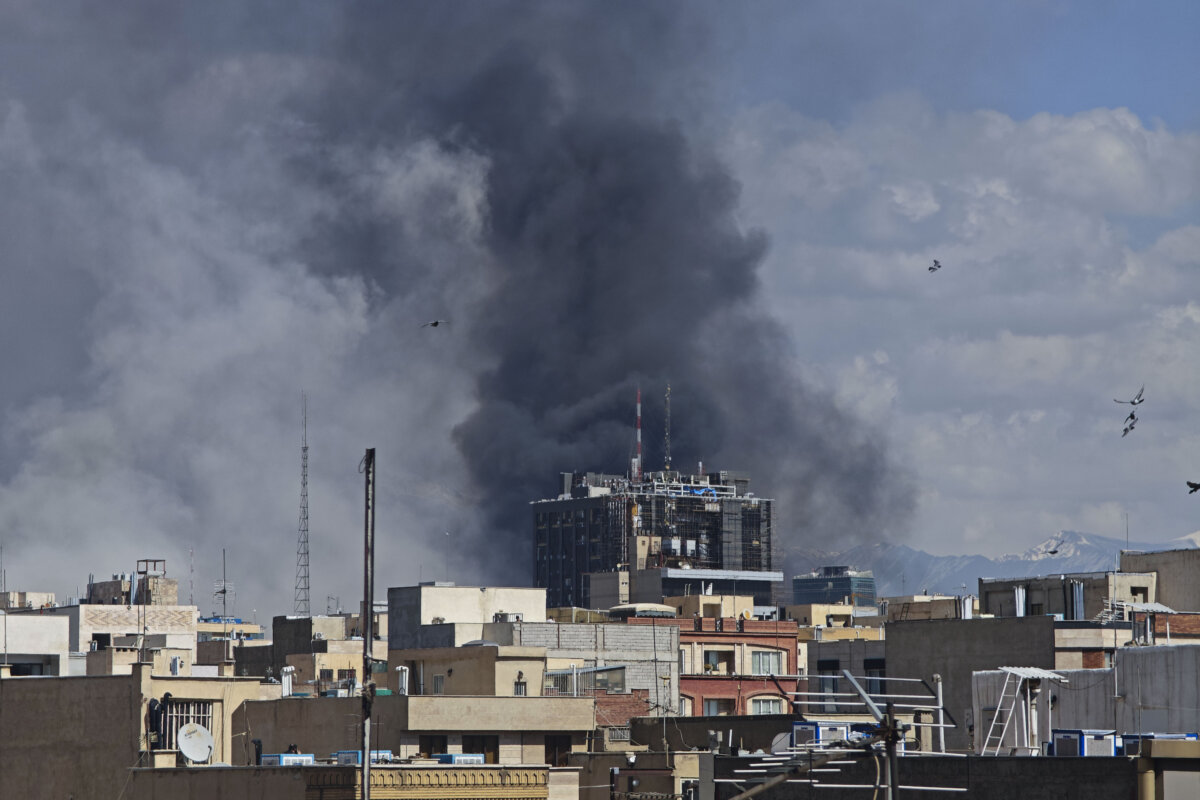
Pezeshkian added that, while Iran has no intention of acquiring nuclear weapons, it would not “compromise on the dignity and honor of the country” in talks with the United States, with IRNA further reporting that a memorandum of understanding on ending the war is being finalized between Tehran and Washington but that “contentious issues” including Iran’s nuclear program are to be a matter of future rounds of talks.
Rubio said during Monday’s media briefing in India that “no one has been more serious about the threat of a nuclear Iran” than Trump and that Americans should be confident that the deal—if ultimately reached—will be good.
“We’re either going to have a good agreement or we’re going to have to deal with it another way,” Rubio said. “We’d prefer to have a good agreement.”
Iran Says Deal Not ‘Imminent’
Iranian Foreign Ministry spokesperson Esmaeil Baghaei said on May 25 that progress has been made on many issues, but that reaching a final deal could still take some time.
“At present, the focus of the negotiations is on ending the war, and at this stage we are not discussing the details of the nuclear issue,” Baghaei said, according to IRNA, dovetailing with Pezeshkian’s remarks that the agreement currently being weighed does not cover the fate of Iran’s enriched uranium.
“It is fair to say that we have reached understandings on many issues. But whether this means an agreement is imminent is something no one can claim at this stage.”
Baghaei has previously said that the current talks are centered on a 14-point memorandum aimed at ending the conflict, lifting the U.S. blockade, and easing sanctions to free frozen Iranian assets. He said the preliminary agreement could pave the way for follow-up negotiations within 30 to 60 days on Iran’s nuclear activities and other points of contention.
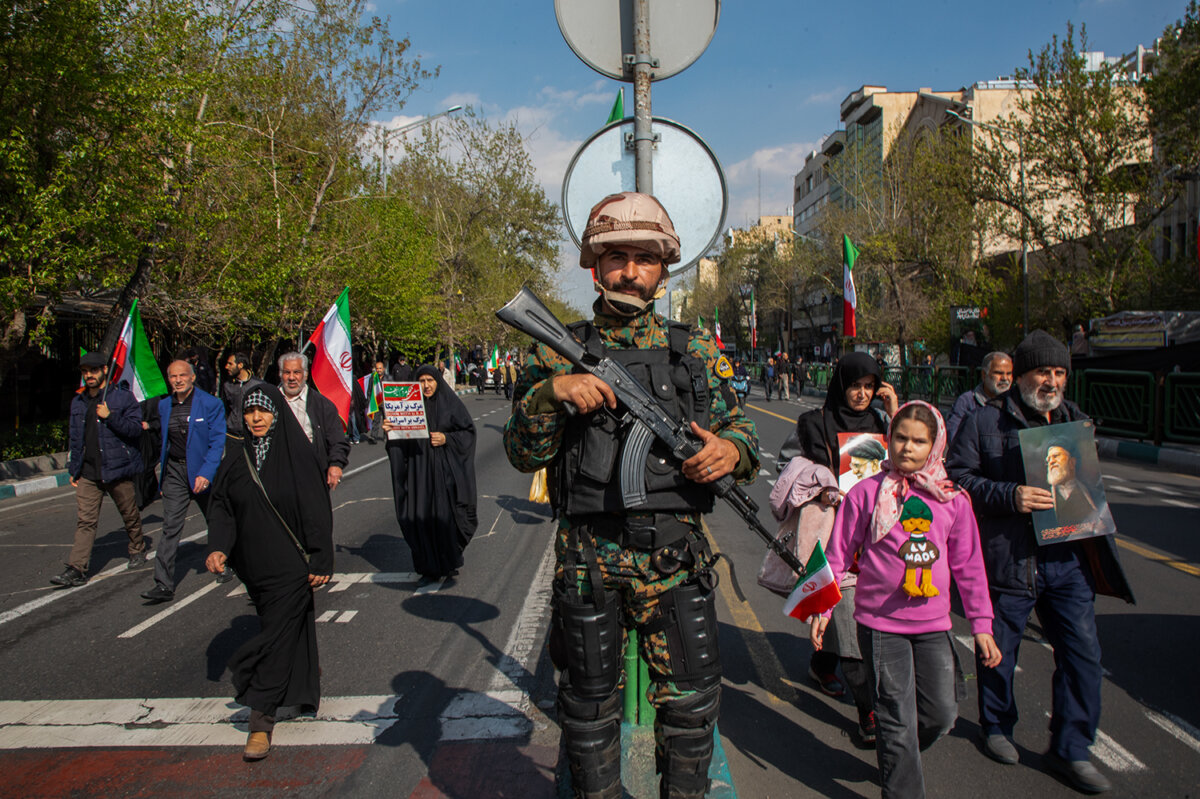
A senior adviser to Iran’s supreme leader has said that if the United States resumes strikes against Iran, then Tehran could move to withdraw from the nuclear Non-Proliferation Treaty (NPT).
“If you enter the Persian Gulf, first of all, we will give a tough, painful and unprecedented response and break the naval blockade,” the adviser, Mohsen Rezaei, was cited by Iranian state-run Press TV as saying during a May 24 ceremony commemorating those killed in the war.
“But more importantly, we may withdraw from the NPT. Do you know what will happen to you if we withdraw? So … don’t commit suicide.”
 Friends Read Free
Copy
Facebook
Tweet
Friends Read Free
Copy
Facebook
Tweet