
Russia and Ukraine have pressed on with exchanging attacks on energy targets, despite U.S. President Donald Trump saying they had agreed to stop attacking each other’s energy infrastructure.
Ukrainian state energy company Naftogaz said that two gas stations in Kyiv were damaged in Russian attacks on the capital on Tuesday.
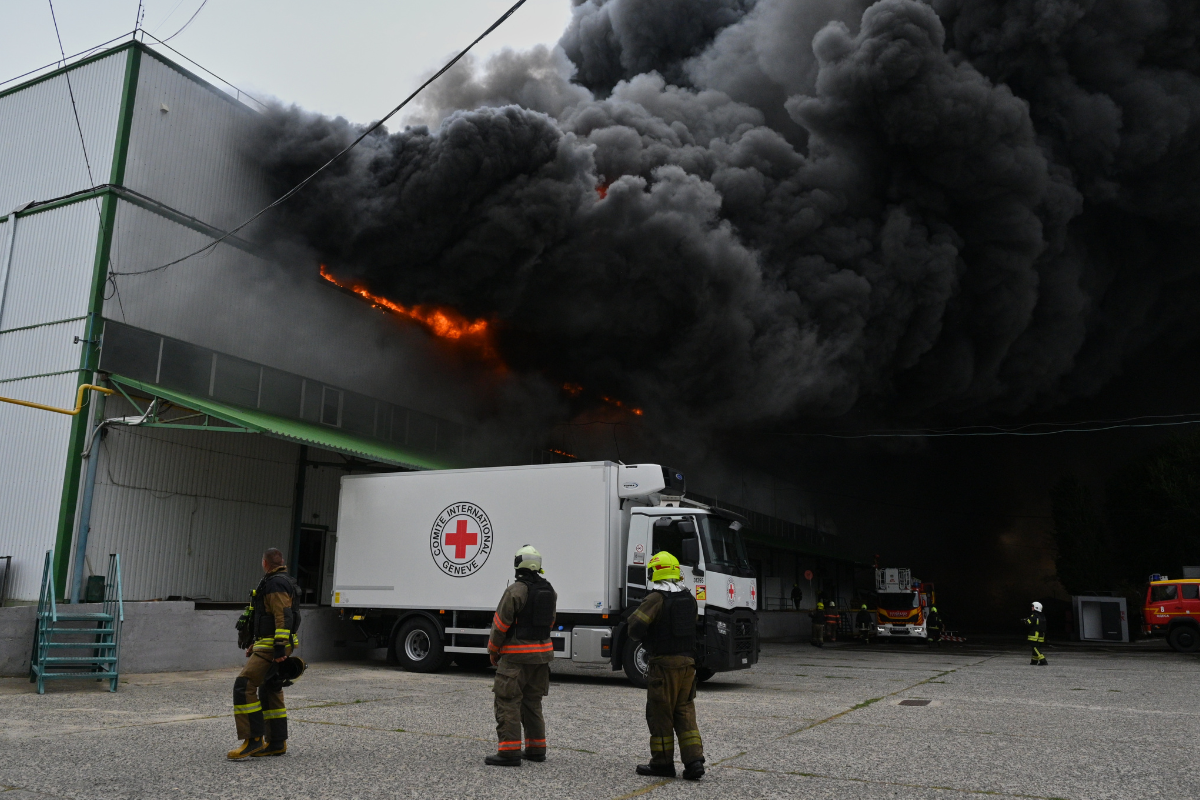
Russia has recently begun striking gas stations in Kyiv, expanding its targets to include energy facilities, grain and food oil depots, and other critical infrastructure.
Russian forces attacked two gas stations in the capital with jet-powered drones on Sept. 11. In recent months, Moscow has struck around 300 gas stations, mainly in or near Ukraine’s frontline areas.
Ukraine struck an oil refinery in Russia’s Syzran, in the Samara region on the Volga River on Tuesday. The governor of Samara said an industrial facility had been hit, without identifying it.
Ukrainian President Volodymyr Zelenskyy confirmed the target had been struck, saying that in response to continued Russian attacks on its critical infrastructure, Kyiv will conduct its own strikes.
“Russia continues to attack our energy sector, regular logistics, and critical infrastructure. And our responses to them for this are tangible,” he said on X.
The Ukrainian armed forces have been targeting Russian oil and gas depots and refineries, which Zelenskyy says are part of the economic infrastructure supporting Moscow’s war efforts.
Energy Strikes
Trump said on Sept. 13 that he had asked Zelenskyy to stop targeting Russian diesel facilities, as it was causing a global shortage and driving up U.S. diesel prices.
“Any call on the Kyiv regime to stop attacks on civilian economic infrastructure can only be welcomed,” Kremlin spokesman Dmitri Peskov said on Monday.
The U.S. national average price of diesel rose to a new record of $6.23 per gallon on Monday. Prices are nearly $2.54 higher than they were a year ago, when diesel averaged $3.69 per gallon.
Trump said on Monday in a Truth Social post that both Kyiv and Moscow have agreed to stop attacking each other’s energy infrastructure.
“Ukraine has agreed not to hit Russian Energy targets. Russia has agreed to do, likewise! The World’s Diesel price rise is mostly caused by the Russia/Ukraine War, not Iran,” he wrote.
De-escalation
Zelenskyy said in his nightly address to the nation on Monday that he was ready to support a cessation of attacks on Russian energy facilities if Washington could ensure that Moscow would end its war with Ukraine.
“If this can become the first de-escalatory step, a step towards ending Russian strikes against our critical infrastructure and our strikes in response, Ukraine is ready to support de-escalation,” Zelenskyy said.
“So far, no one has seen any genuine willingness on Russia’s part to bring the war to an end. But if our American partners can secure Russia’s genuine readiness to end the war aimed at destroying lives, and to do so honestly and on a long-term basis, Ukraine will take its own de-escalatory steps.”
Peskov said on Tuesday that Moscow supports Trump’s idea of an energy truce and is in contact with Washington.
Reuters contributed to this report.
 Friends Read Free
Copy
Facebook
Tweet
Friends Read Free
Copy
Facebook
Tweet