
The Romanian Air Force detected and tracked an unmanned aerial vehicle (UAV) on Sept. 13 that had strayed into the country’s airspace following Russian airstrikes on infrastructure in Ukraine, the Romanian Ministry of National Defence (MoND) said in a statement.
The ministry said that the UAV was spotted by the pilots of two F-16s after they had been scrambled from the 86th Air Base in Borcea commune, on an air patrol mission. The F-16s monitored the drone until it was approximately 12 miles southwest of Chilia Veche, at which point they lost radio contact.
The statement added that the drone did not fly over populated areas “and did not pose an immediate threat to the civilian population.”
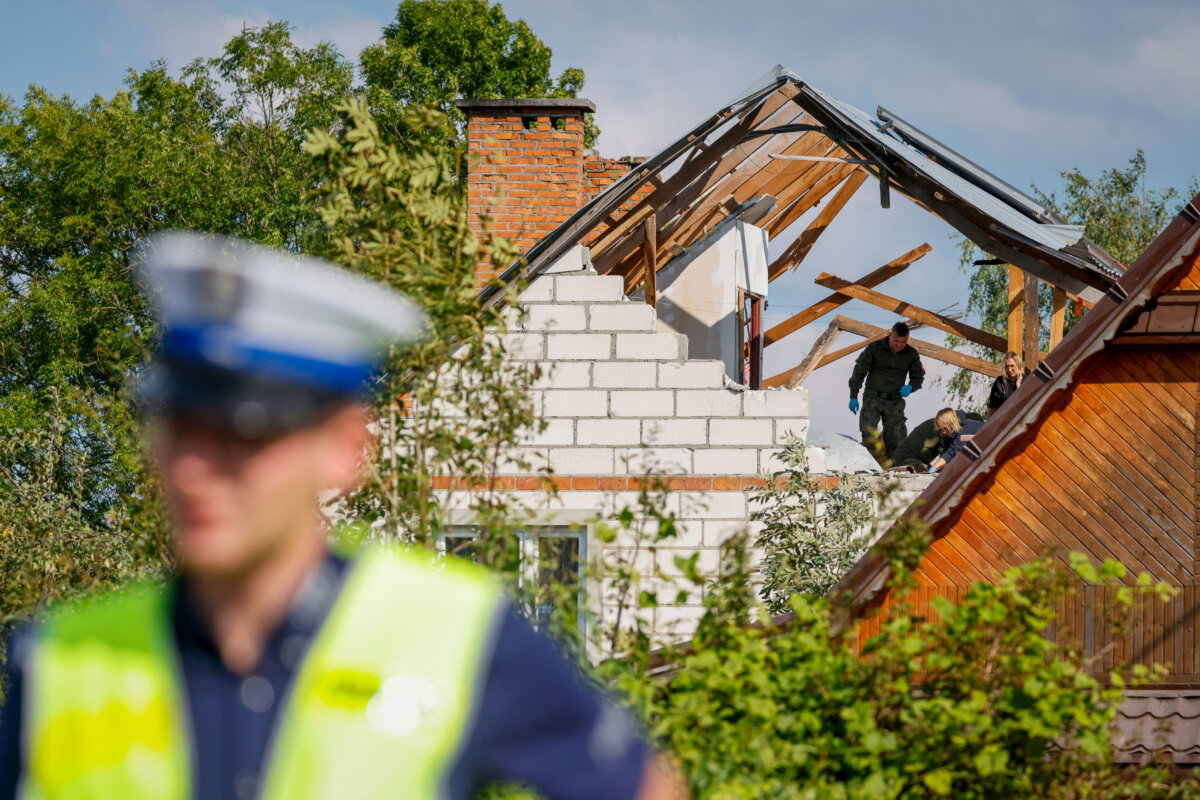
The alleged incident follows the shooting down of suspected Russian drones by the Polish military after they entered the country’s airspace last week.
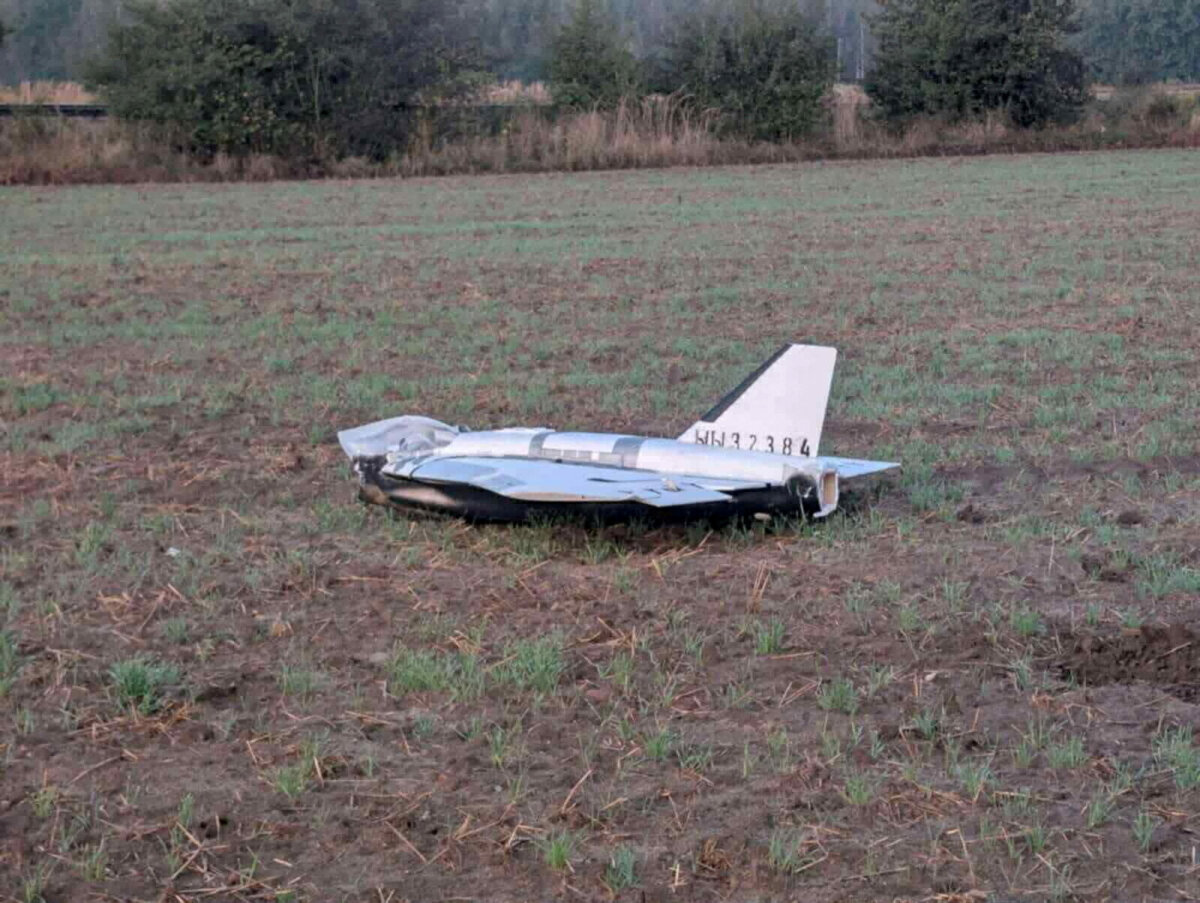
In an update issued on Sept. 14, the MoND said the UAV, a Geran drone used by the Russian Federation, was in Romanian airspace for approximately 50 minutes before heading toward Ukraine.
The MoND added that Romanian pilots received authorization to shoot down the drone but decided not to fire after assessing the collateral risks.
The Romanian Air Force was supported by two German Eurofighter Typhoon aircraft deployed from the Mihail Kogalniceanu NATO air base, located near Constanta in southeast Romania.
“The Ministry of National Defence firmly condemns the Russian Federation’s irresponsible actions and emphasizes that they represent a new challenge posed to regional security and stability in the Black Sea area,” the ministry said in its statement.
“Such incidents demonstrate the Russian Federation’s lack of respect for the norms of international law and endanger not only the Romanian citizens’ safety, but also NATO’s collective security.”
Romanian Minister of National Defence Ionut Mosteanu wrote on X on the day of the alleged incident that his country “condemns Russia’s reckless behavior, which threatens regional stability.”
“Together with our [NATO] Allies, we remain vigilant and ready to defend every inch of Allied airspace,” Mosteanu said.
European Commission President Ursula von der Leyen said that the European Union was working closely with Romania and all member states to protect the bloc’s territory.
“Russia’s incursion into Romanian airspace is once again a blatant violation of EU sovereignty and a serious threat to regional security,” Von der Leyen wrote on X on Sept. 14.
NATO Launches ‘Eastern Sentry’
With regard to the incident in Poland, the Russian Foreign Ministry said in a Sept. 10 statement that the Russian Ministry of Defense “unequivocally reaffirmed” that strikes against Ukraine that night “did not include any targets in the territory of the Republic of Poland.”
Russia also rejected Romanian claims as to the origin of the drone, calling them “far-fetched and groundless.”
“I received no concrete convincing answer to any [of] the questions about the identification of the unmanned aerial vehicle that had allegedly entered Romania’s airspace,” Russian Ambassador to Romania Vladimir Lipayev told Russia’s TASS news agency during a meeting at the Romanian foreign ministry on Sept. 14.
Last week, NATO said that lessons would be learned from the drone violations of Poland’s airspace.
The organization launched Operation Eastern Sentry on Sept. 12, which is a military operation aiming to strengthen NATO’s eastern flank.
NATO said in a statement that the operation would involve both traditional military capabilities and novel approaches, including “elements designed to address challenges associated with drones.”
NATO Secretary-General Mark Rutte said Operation Eastern Sentry “will add flexibility and strength.”
Rutte added that NATO’s core function was to deter aggression and defend allied members.
“This is why we have forward land forces deployed in eight countries, with contributions from every ally supporting these contingents, and plans in place to scale up our presence if and when required,” he said.
 Friends Read Free
Copy
Facebook
Tweet
Friends Read Free
Copy
Facebook
Tweet