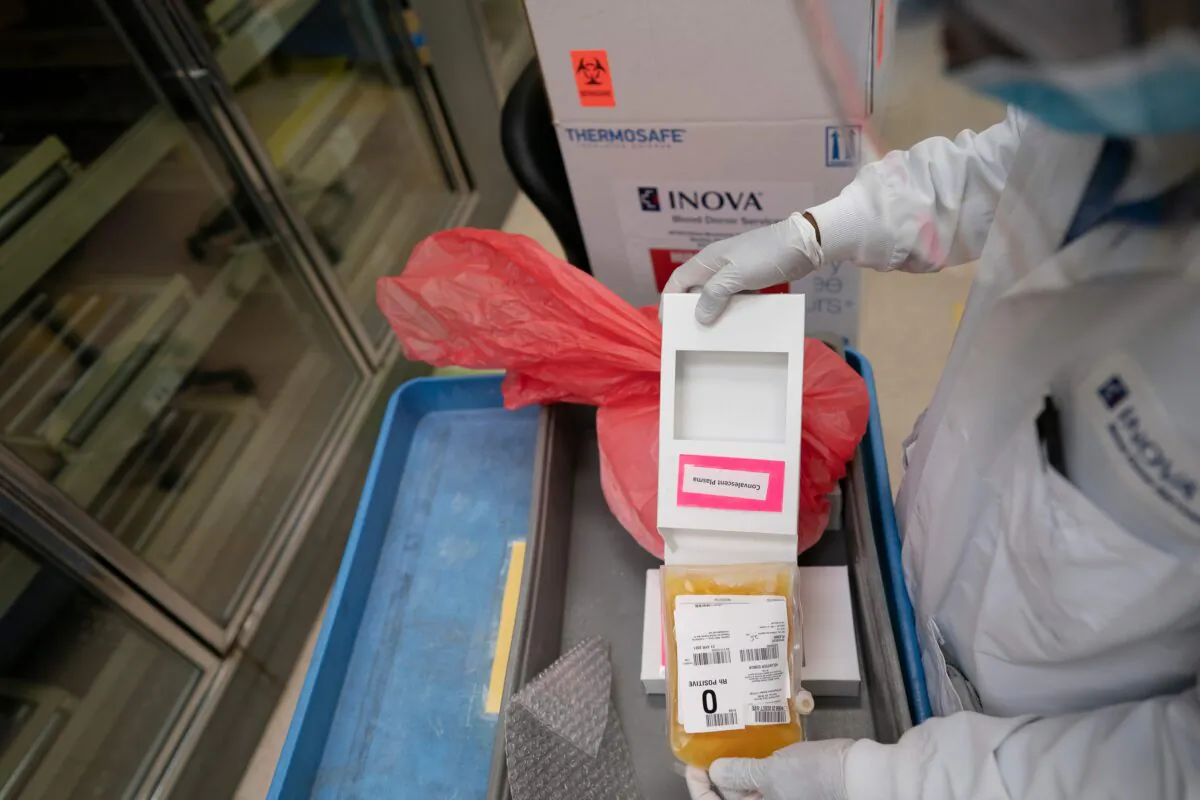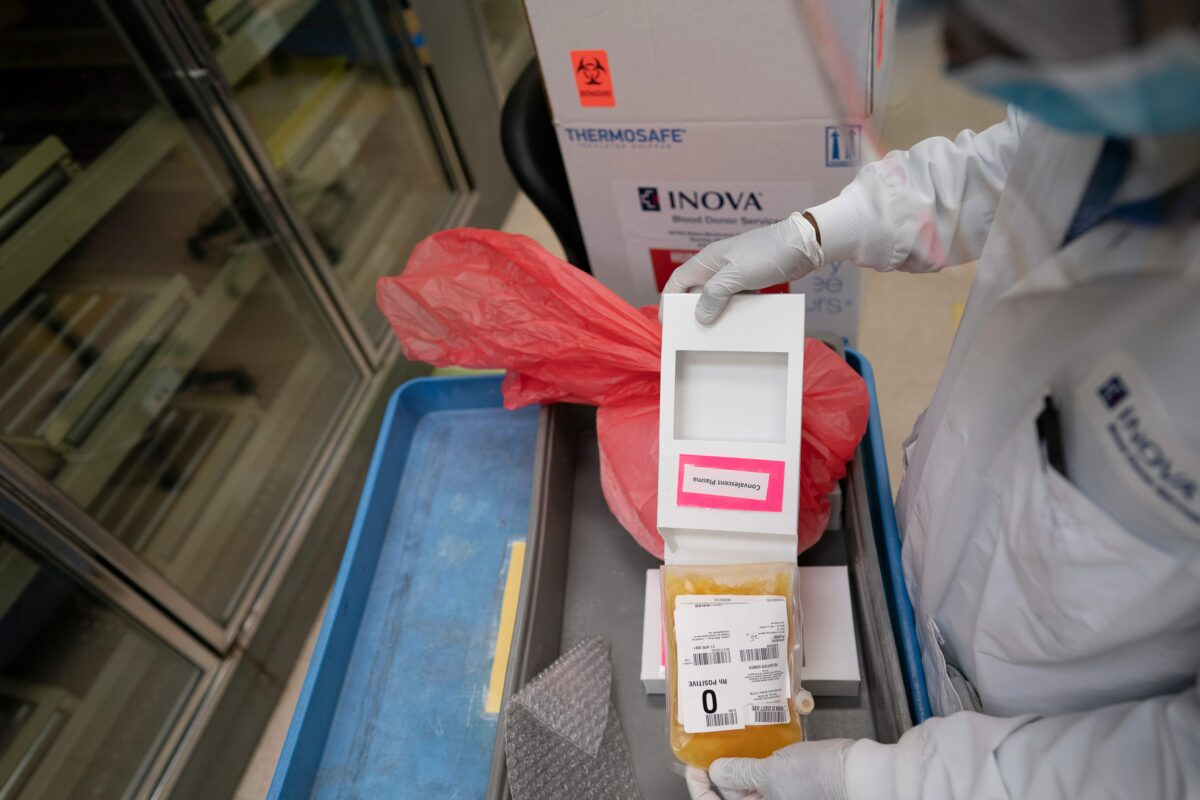

From July 14, more Australians—including many from the LGBT community—will be able to donate plasma without a deferral period related to their sexual activity, according to a major policy update by the Australian Red Cross Lifeblood.
The change removes a three-month waiting period for gay and bisexual men who have sex with men.
Lifeblood said the new policy is based on extensive modelling and scientific data that confirmed no increased risk to the plasma supply.
Known as the “plasma pathway,” the updated rules will make donation more accessible while preserving safety standards.
“We’re excited to be able to welcome more people from across the community into our donor centres from next month,” said Lifeblood Chief Medical Officer Dr. Jo Pink said in a statement released on June 18.
“With more than 600,000 people estimated to be covered by the previous wait times, we now anticipate an extra 24,000 donors and 95,000 extra donations of plasma to be made each year,” Pink added.
Gender-Neutral Blood Donation Rules Also Approved
At the same time, the Therapeutic Goods Administration (TGA) has approved Lifeblood’s submission to remove gender-specific sexual activity questions for whole blood and platelet donations.
The upcoming changes mean all donors, regardless of gender or sexuality, will be asked the same questions.
People in monogamous relationships of six months or more will be eligible to donate, while those with new or multiple partners may also qualify—provided they have not had anal sex in the previous three months.
Unlike in other countries, Australians who remain ineligible for blood donations due to taking PrEP, a medication to protect the user from HIV, or recent sexual activity will still be allowed to donate plasma without a waiting period.
“There are many steps that Lifeblood needs to take before we can implement the new gender-neutral assessments, including working with state and territory governments to change the donor questionnaire,” said Pink. “We hope to be able to implement this part of the changes next year.”
Policy Roots Trace Back to AIDS-Era Restrictions
Dash Heath-Paynter, CEO of Health Equity Matters, welcomed the shift.
“These changes mean Australia’s regulations are world-leading,” he said.
According to rainbowinclusion.com, current donation deferral rules have their origins in the 1980s, when men who had sex with men were completely banned from donating blood due to the emergence of HIV/AIDS and lack of adequate testing.
That total ban was later revised to a 12-month deferral, and more recently to a three-month period.
Current donor forms still ask transgender people if they have had sex with a male, transgender or gender-diverse partner in the past three months—triggering deferral if answered “yes.”
Advocates have long called these rules outdated and unclear. In 2023, then-Queensland Health Minister Shannon Fentiman wrote to federal Health Minister Mark Butler urging faster movement on reforms, saying, “We know that many people who could safely donate blood, and who want to help others, are unable to do so under the current rules.”
 Friends Read Free
Copy
Facebook
Tweet
Friends Read Free
Copy
Facebook
Tweet