Social media companies are to be held legally responsible for users’ posts in Brazil, according to its top court.
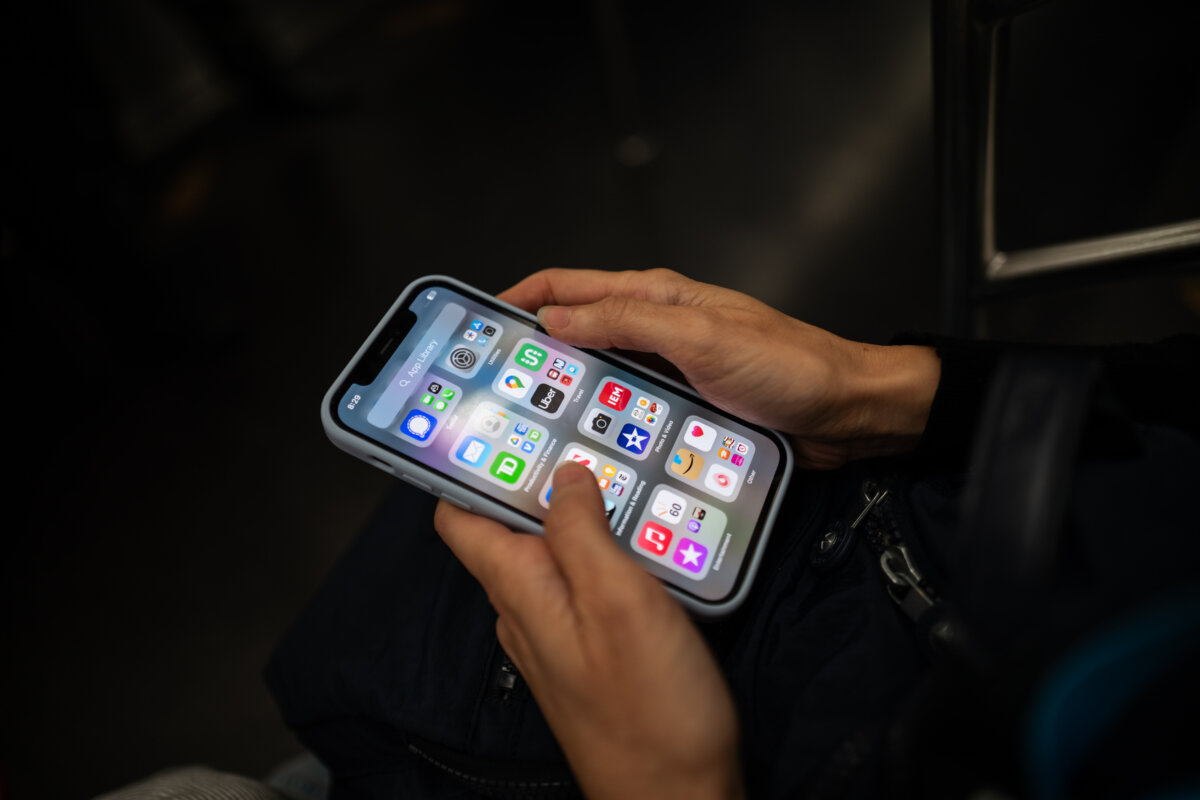
Brazil’s Supreme Court ruled on June 26 that internet platforms such as Facebook, TikTok, Google, and X can be held liable for user content.
In cases involving allegations of “crimes against honor,” [“Crimes contra a honra”] which refer to defamation and insults, platforms will be required to pay compensation if they fail to comply with a court order to remove the content.
Platforms must also act immediately to remove content involving serious crimes, without the need for a court order.
These crimes include attempted coup d’état, abolition of the democratic rule of law, terrorism, incitement to self-harm or suicide, racism, homophobia, and crimes against women and children.
The 8–3 vote in Brazil’s top court orders tech giants to actively monitor content.
The ruling strengthens a law that requires companies to remove content only after court orders, which judges said was “no longer sufficient to protect fundamental rights and democracy.”
A Google spokesman told The Epoch Times by email that over the past few months, it “has been expressing its concerns about changes that could impact freedom of expression and the digital economy.”
The company said that it is “analyzing the approved thesis, especially the expansion of cases of removal by notification” as well as “the impacts on our products.”
“We remain open to dialogue,” he added.
Brazil has enforced social media platforms before.
Last year, Brazil’s Supreme Court Justice Alexandre de Moraes ordered all telecom providers in the country to block access to X, escalating a months-long dispute between X owner Elon Musk and the Latin American country over free speech and posts that the judge described as misinformation.
Justice Alexandre de Moraes and Musk were locked in a months-long feud after X was required to block accounts implicated in investigations of the alleged spreading of distorted news and what court officials said was hate speech.
Brazil is one of the biggest markets for X, with tens of millions of users, according to the Oosga research company.
The judge imposed daily fines of $8,900 for anyone caught bypassing the ban using VPNs (virtual private networks), which allow people to access the internet as if they were located in a different country.
In October, the Supreme Court cleared the platform to resume service after X complied with court rulings.
Trump Media & Technology Group, which operates Truth Social, and video-sharing platform Rumble have recently challenged an order issued by de Moraes directing the U.S. media companies to remove accounts belonging to a prominent supporter of former Brazilian President Jair Bolsonaro.
In February, a U.S. federal judge ruled that Rumble and Trump Media could ignore the order of the Brazilian court.
Brazil is following in the steps of the European Union’s Digital Services Act (DSA).
The landmark law aims to enforce rigorous content moderation by requiring social media platforms to remove illegal content, conduct risk assessments, prevent harmful activities online, and curb the spread of “disinformation.”
Companies can be fined up to 10 percent of their annual worldwide turnover for a first offense and up to 20 percent for repeat violations.
Brazil’s decision could become a flashpoint in U.S. visa disputes.
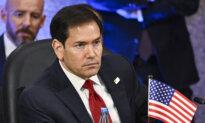
Last month, Secretary of State Marco Rubio announced new visa restrictions against foreign nationals involved in censoring the speech of U.S. citizens.
“For too long, Americans have been fined, harassed, and even charged by foreign authorities for exercising their free speech rights,” Rubio announced in a post on social media platform X.
“Today, I am announcing a new visa restriction policy that will apply to foreign officials and persons who are complicit in censoring Americans. Free speech is essential to the American way of life, a birthright over which foreign governments have no authority.”
Rubio said foreign nationals involved in suppressing the rights of Americans shouldn’t be allowed to visit the United States.
Reuters, The Associated Press, and Ryan Morgan contributed to this report.
 Friends Read Free
Copy
Facebook
Tweet
Friends Read Free
Copy
Facebook
Tweet