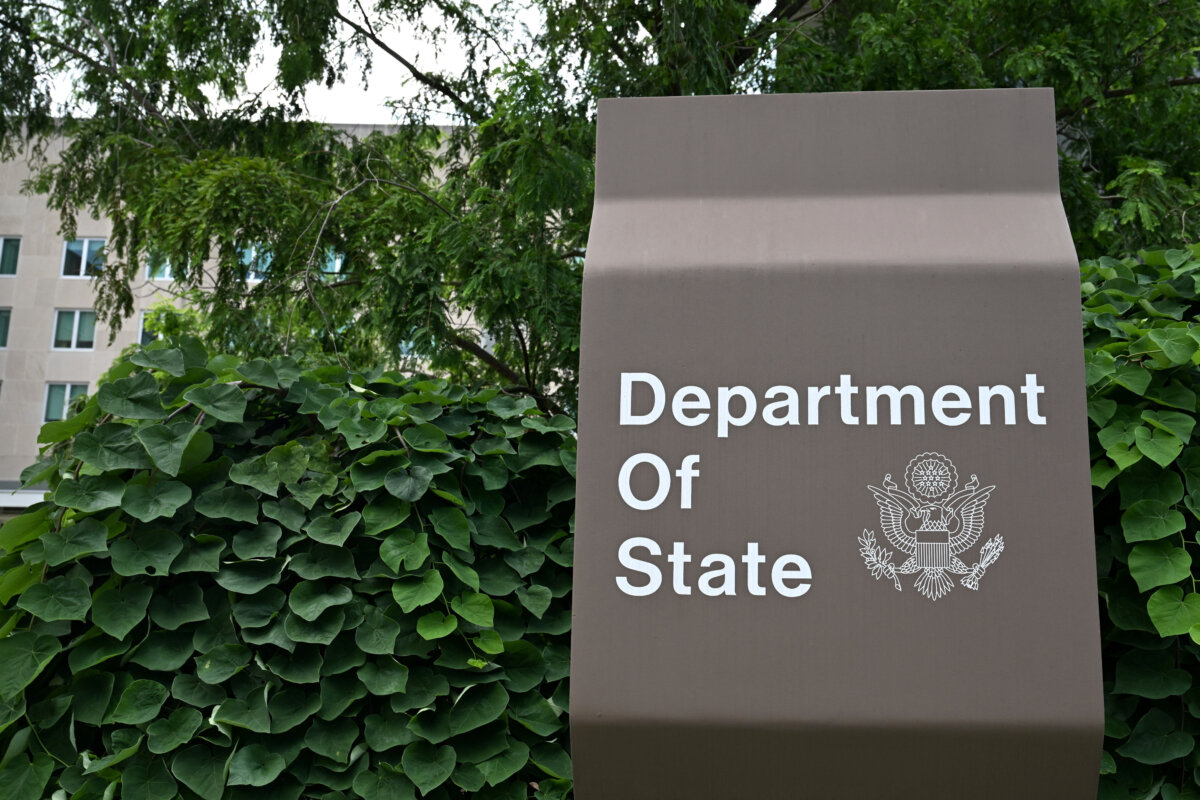

The State Department announced new sanctions on Cuba targeting state-owned companies and the leadership of the Cuban Institute of Friendship with the Peoples (ICAP) on Aug. 20.
The sanctions targeted Fernando González Llort, the president of ICAP; the group’s vice president, Noemí Ramona Rabaza Fernández; and its North America director, Leima Martínez Freire. The State Department also imposed sanctions on nine Cuban entities linked to the regime’s exploitation of the metals and mining sector.
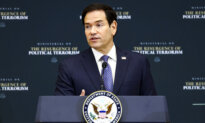
“Today’s designations make clear that the Trump Administration will not tolerate the Cuban regime’s efforts to fund its repression or continue its decades-long campaign of subversive anti-American activities,” Secretary of State Marco Rubio said in a statement.
The State Department’s latest sanctions came just one month after the department released a report titled “Cuba: The Capital of 21st Century Communism.” The report accused the regime of supporting left-wing groups in the United States and infiltrating the highest levels of the U.S. government.
Cuba’s communist regime used former leader Fidel Castro’s 100th birthday on Aug. 13 to reenergize its subversive network by transporting “a new brigade of international sympathizers” to Havana for networking with Cuban officials, Rubio said in the Aug. 20 statement.
“The Trump Administration will not stand by while a hostile foreign power seeks to exploit our freedoms—none of which are afforded to its people—by misleading and corrupting American citizens with lies, spy tradecraft, and other malfeasance as part of the regime’s raison d’être of exporting Marxism, racial resentment, and Communist violence across the world,” he wrote.
The State Department noted that ICAP was previously sanctioned as part of a broader executive action targeting Cuban leaders and entities. ICAP has hosted international brigades at multiple facilities in Cuba, according to the department.
Llort, who was sanctioned on Thursday, spent 15 years in a U.S. prison after being arrested for being part of a Cuban spy ring in 1998. The State Department said Llort has continued to try to destabilize the United States since returning to Cuba in 2014.
In addition to the sanctions imposed on the leadership of ICAP, the State Department announced sanctions on nine Cuban entities. The sanctions targeted the Ministry of Construction of Cuba, which implements the regime’s construction policy, and Agencia de Contratación a Representaciones Comerciales S.A., which supplies labor to foreign entities operating in the country.
The following entities were also sanctioned on Aug. 20: Empresa de Níquel Comandante Ernesto Che Guevara, Empresa Importadora Exportadora y Comercializadora de Metales, Grupo Empresarial Geominero Salinero, Acinox Comercial, Coratur S.A., Empresa Comercializadora de Artículos en General, and Empresa Central de Abastecimiento y Ventas de Equipos de Transporte Pesado y sus Piezas.
“The Cuban regime has spent decades using front groups to infiltrate, corrupt, and radicalize Americans. Today, I’m sanctioning the leadership of ICAP, which is one of the primary organizations involved in these efforts—including convicted Cuban spy Fernando González Llort—and nine entities that sustain and fund the regime’s repressive apparatus,” Rubio said in a Thursday statement on X.
Rubio warned that anyone who supported, sponsored, or provided services for the individuals and entities sanctioned by the U.S. government would be at risk of being sanctioned themselves. He instructed foreign banks and other companies associated with the sanctioned entities to immediately stop supporting them.
Cuban Foreign Minister Bruno Rodríguez Parrilla responded to the State Department’s sanctions on Thursday by accusing the United States of deliberately trying to harm the Cuban economy and preventing the Cuban government from providing basic services.
Rodriguez Parrilla said Cuba was already facing a critical situation due to the U.S. oil blockade. He also accused Rubio of hindering the transportation of medicine, medical devices, and food supplies.
“In his failed obsession against Cuba, he has now punished executives and officials from ICAP, an institution that, for more than six decades, has promoted friendship, international solidarity, justice and peace, quite the contrary to what the Secretary of State has always promoted through its corrupt policy,” Rodriguez said.
Venezuela has faced a major energy and economic crisis following the U.S. military operation in Venezuela that resulted in the capture and removal of Nicolás Maduro, the country’s former leader, in January. Following the operation, the Trump administration cut off Venezuelan oil exports to Cuba and announced tariffs on countries that sold oil to the communist regime.
Cuba was redesignated as a state sponsor of terrorism in January 2021 during Trump’s first term in office. The Trump administration has continued to increase pressure on Cuba in recent months by imposing additional sanctions on Cuban officials, government agencies, and businesses.
Last week, Secretary of War Pete Hegseth reiterated the Trump administration’s previous warning that the United States could take military action against Cuba.
“Like I’ve said before, and I think you’ve seen what happened in other cases, all options are on the table, to include military options,” he said.
 Friends Read Free
Copy
Facebook
Tweet
Friends Read Free
Copy
Facebook
Tweet