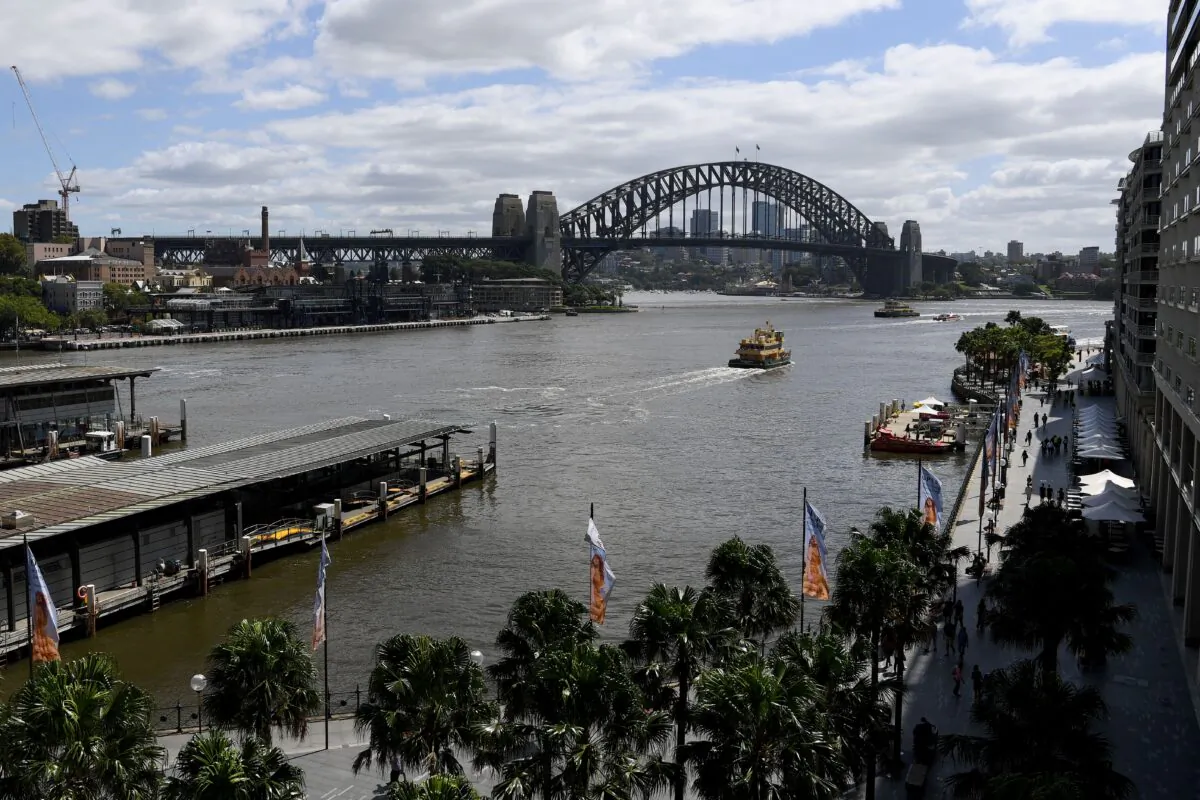

Sydney’s iconic blue harbour has turned brown in the aftermath of the devasting eastern Australian rain bomb weather system.
Waterways and beaches around the city have been filled with sewage, debris, and other sources of pollution through stormwater systems and overflowing waste systems causing the water to change colour from its usual deep blue.
“It’s not just the local stormwater that’s polluting our beaches, but it’s the murky water from the flood-affected inland areas,” manager of the NSW government’s Beachwatch program, Meredith Campey, told The Guardian. “It’s flowing downstream into the ocean.”
The New South Wales state environment department has issued pollution warnings for all Sydney beaches stretching from Palm Beach in the north down to Cronulla in the south.
“Due to recent extreme wet weather conditions and flooding events, stormwater pollution may be impacting many swimming sites,” the warning said. “Avoid swimming if you can see signs of pollution such as discoloured water and floating debris.”
Typically, people are recommended to avoid swimming at ocean beaches at least one day after heavy rain and up to three days in estuarine swimming areas.
The department explained that rainfall is the major driver of pollution to recreational waters, generation stormwater runoff and triggering discharges from wastewater treatment and transport systems.
However, Campey said the dangers associated with swimming in polluted waters, such as gastroenteritis and dermatitis, could remain for longer than usual as floodwaters continued to stream in through river systems.
Field officers are out sampling Sydney’s Northern Beaches today. Despite the sunny weather, there are still lingering impacts of stormwater pollution following the storms.
⚠ Avoid swimming if there are signs of pollution like discoloured water, odours, litter & debris. pic.twitter.com/N3Fo7J3qaS— Beachwatch NSW (@BeachwatchNSW) March 10, 2022
Residents in other flood-affected areas have also been cleaning up the piles of debris left by the floodwaters with Queensland clean up crews finding thousands of polystyrene foam beads, broken off from pontoons appearing along the coastlines.
“It was just disgusting,” Sea Shepherd project leader Grahame Lloyd told The Courier Mail.“It’s heart-wrenching because of all the animals and marine life here. You just see all this styrofoam and plastic and know that turtles and dugongs are eating that—it’s hard to face.”
It is currently the hatching season for turtles and people are fearing that baby turtles could end up ingesting the polystyrene foam beads.
The recovery process is expected to take months as the government extends flood disaster funding to a dozen more council areas.
“The immense scale of the flooding is unprecedented and we are working closely with the Commonwealth to put equally unprecedented resources into the significant clean-up and long-term recovery effort,” NSW minister for flood recovery Steph Cooke said.
 Friends Read Free
Copy
Facebook
Tweet
Friends Read Free
Copy
Facebook
Tweet