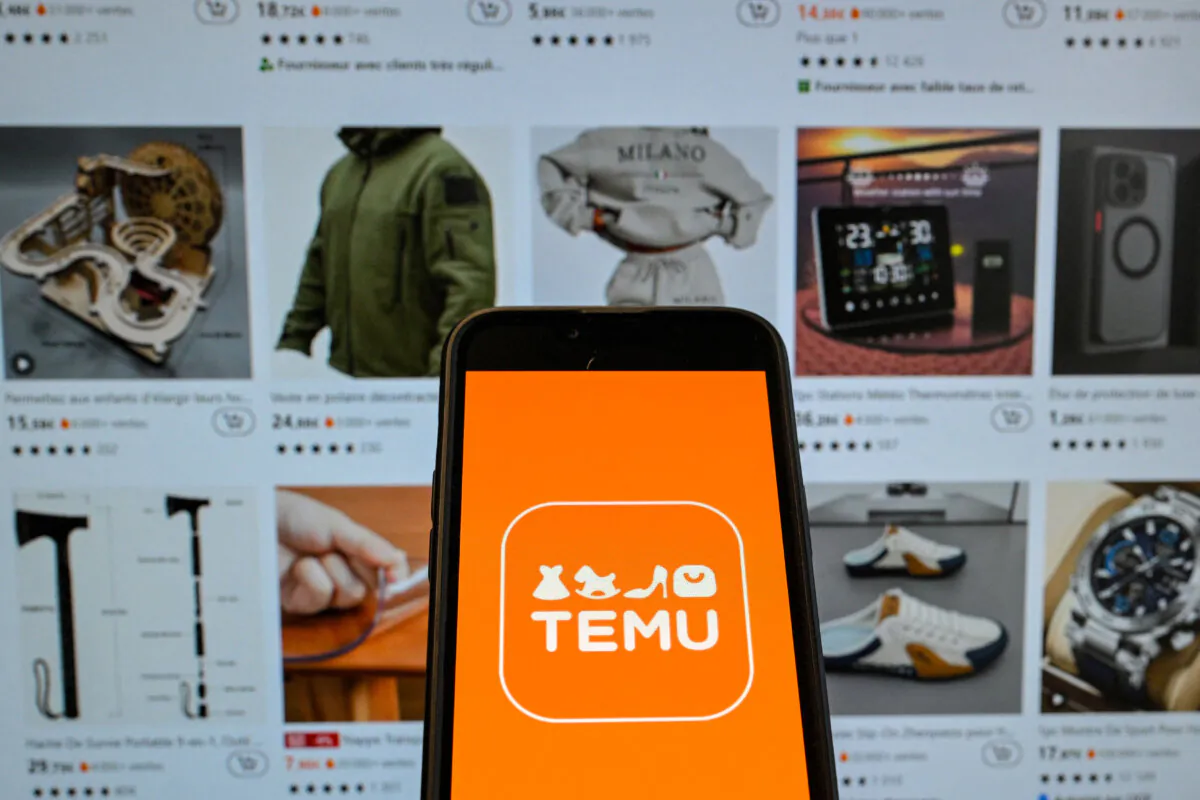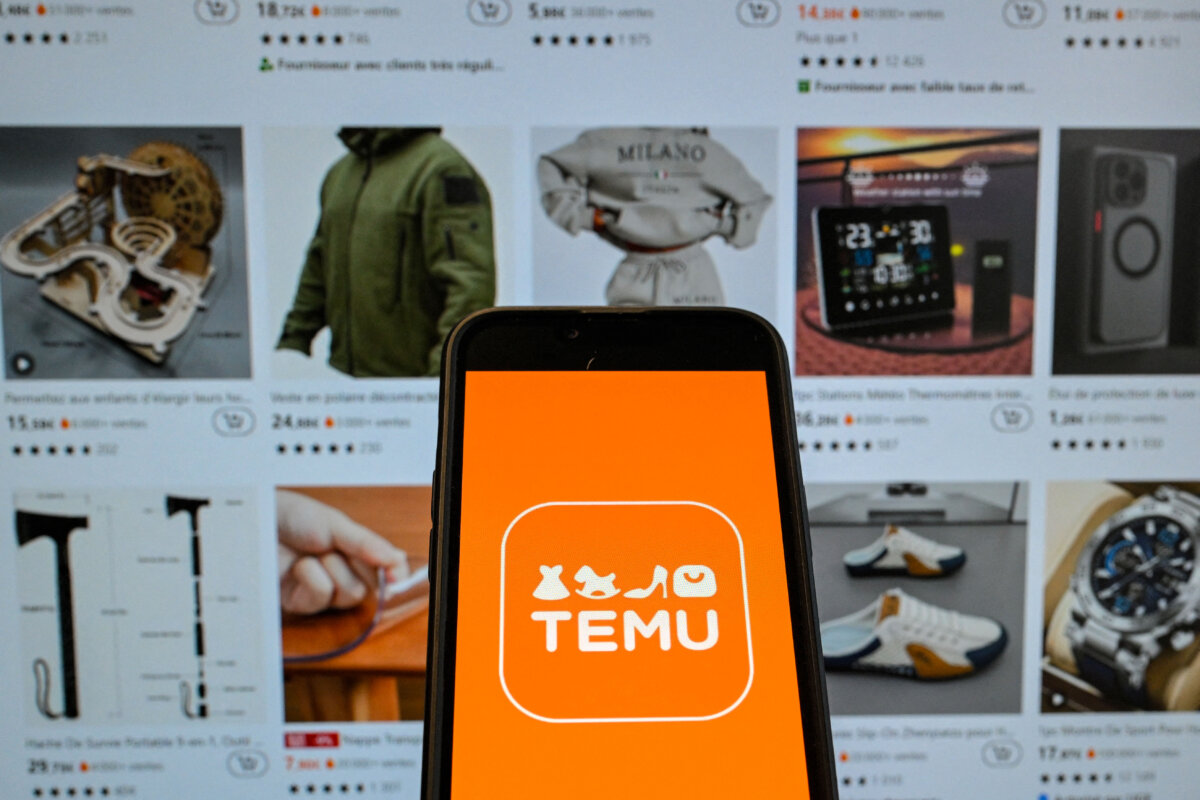

Almost every Australian has had the ads pop up while browsing the internet—the online retailer Temu, advertising its wares on the most popular platforms.
The formula seems almost too good to be true: cheap products and postage, attractive and practical designs, often at much cheaper prices than local stores.
But what is the true cost of supporting this Chinese Communist Party-linked enterprise?
Australia’s Anti-Slavery Commissioner Chris Evans recently spoke at an ethical clothing conference in Sydney, where he pointed out the glaring regulatory oversight when it comes to Temu.
Temu does not report against Australia’s Modern Slavery Act or any other form of reporting.
Major retailers trading in Australia, including groups like Woolworths and Kmart, have statements and guidelines on modern slavery.
The Commonwealth Modern Slavery Act came into being in 2018, when it became mandatory for organisations based or operating in Australia with consolidated annual revenue of at least $100 million to submit an annual Modern Slavery Statement.
According to Monash University, modern slavery is a global phenomenon, with 40.3 million victims and $354 billion worth of at-risk products imported by G20 countries in 2018—the year the act was cemented.
But Temu earns much more than the $100 million requirement for slavery reporting.
According to Roy Morgan, the company is estimated to have earned around $2.6 billion (US$1.7 billion) from Australian customers in the year to June 2025.
This figure was $1.6 billion the previous year, a 63 percent increase.
Temu does not have an Australian office, and Evans said little is known about what arrives in parcels shipped directly from overseas sellers.
“And it’s not unfair for the retailers of Australia to complain that they’re not playing on a level playing field,” he said.
“When I say to them, I want more compliance and regulation around modern slavery, it’s not unreasonable for them to say, ‘Well, come and see when you know something about Temu.'”
Think tank Roy Morgan also identified three of the biggest disrupters to Australia’s retail scene—Temu, CCP-linked fashion label Shein, and Amazon.
The trio has risen in popularity, leaving conventional retailers like eBay, Kogan, the Reject Shop, and Best & Less struggling with year-on-year declines.
Other chains like Millers, Rivers, Katies, Crossroads, and Rockmans have ceased to exist entirely.
Not only are more Australians supporting cheap online purchases, but they are making more of them.
Research showed shoppers using Temu had purchased 5.8 items a year from the site in 2024-25, up from 5.2 in 2023-24.
The Way Forward
The Anti-Slavery Commissioner said the best way forward is for Australia to implement tighter controls and better enforcement of its guidelines.
“We have some of the weakest border controls in terms of human rights protection and goods coming across the border,” Evans said.
“Our due diligence law, the Modern Slavery Act, is really very light-touch reporting only; it’s probably the weakest of any of the regimes in the world.”
He pointed to import rules as a stark example of skewed priorities: Australia prevents prohibited items such as illegally logged wood, pharmaceuticals, weapons, and unapproved technology from entering the country.
“You can’t even import items using the word ‘ANZAC’ if they weren’t made here,” he said.
“But we have nothing on human rights. You can make products with forced labour and ship them in, and even if we know who you are and what you’re doing, they still come into the country.
“Seems to me, we’ve got our priorities wrong.”
Evans said he supports shifting Australia to a mandatory due diligence regime that would require companies not only to report on modern slavery risks but to act on them.
“At the moment, there’s no onus on that,” Evans added. “So I think we will get some changes that toughen things in Australia.”
The Epoch Times has contacted Temu for comment.
 Friends Read Free
Copy
Facebook
Tweet
Friends Read Free
Copy
Facebook
Tweet