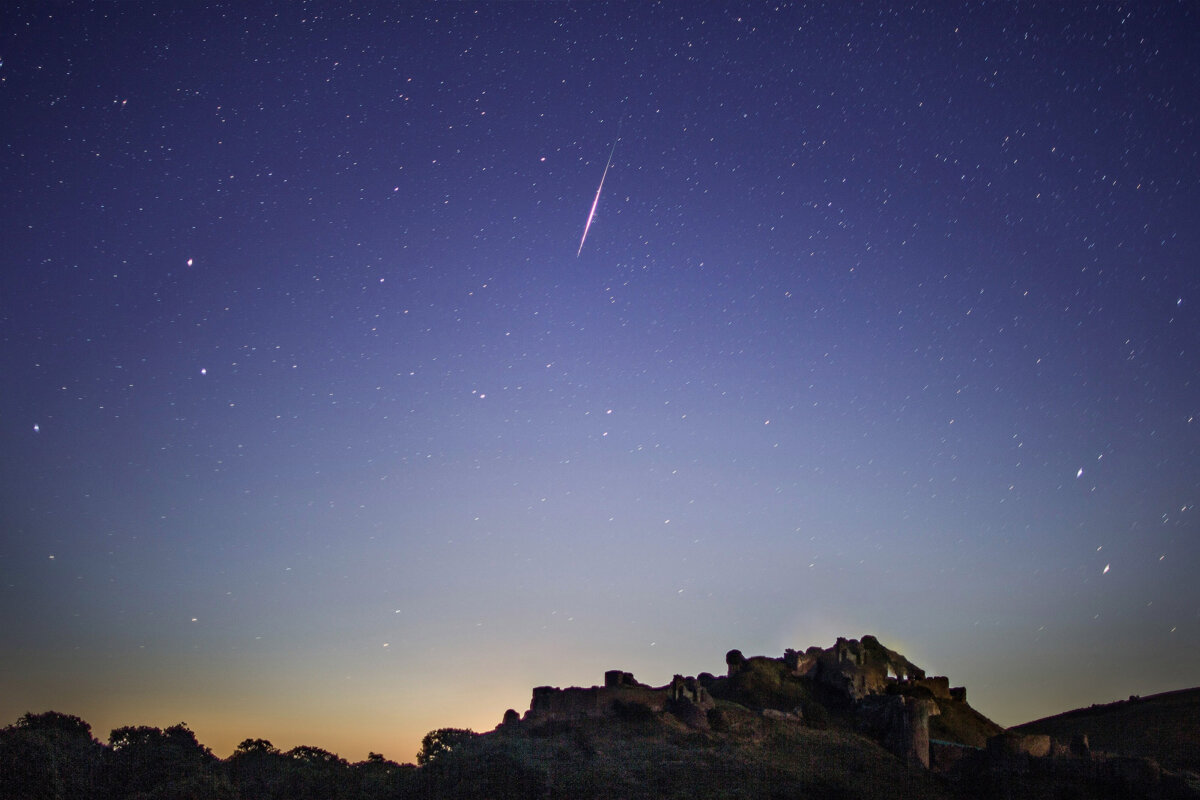
It’s time to start meteor spotting right now—even though peak shooting-star season is technically still weeks away.
The moon will loom large when the year’s grandest meteor shower, the Perseids, climaxes next month, so astronomers say its best to catch their entrance before moonlight drowns out the show.
The Perseids are normally bright, abundant, and colourful meteors that fall steadily every mid-summer. It’s common to count as many as one meteor per minute, and many turn into fireballs that streak across the sky. This rich and beloved meteor shower is often celebrated as the year’s best.
Meteors happen when Earth passes through streams of space debris, and the Perseids’ stream tends to come in clumps. When that matter from space hits the atmosphere it burns up brightly and becomes meteors.
How To View The Perseids
Earth has already entered the debris stream of the Perseids. They’ll ramble on from July 14 to Sept. 1, but won’t really kick into high gear until around Aug. 11 or 12, after which they’ll taper off rapidly.
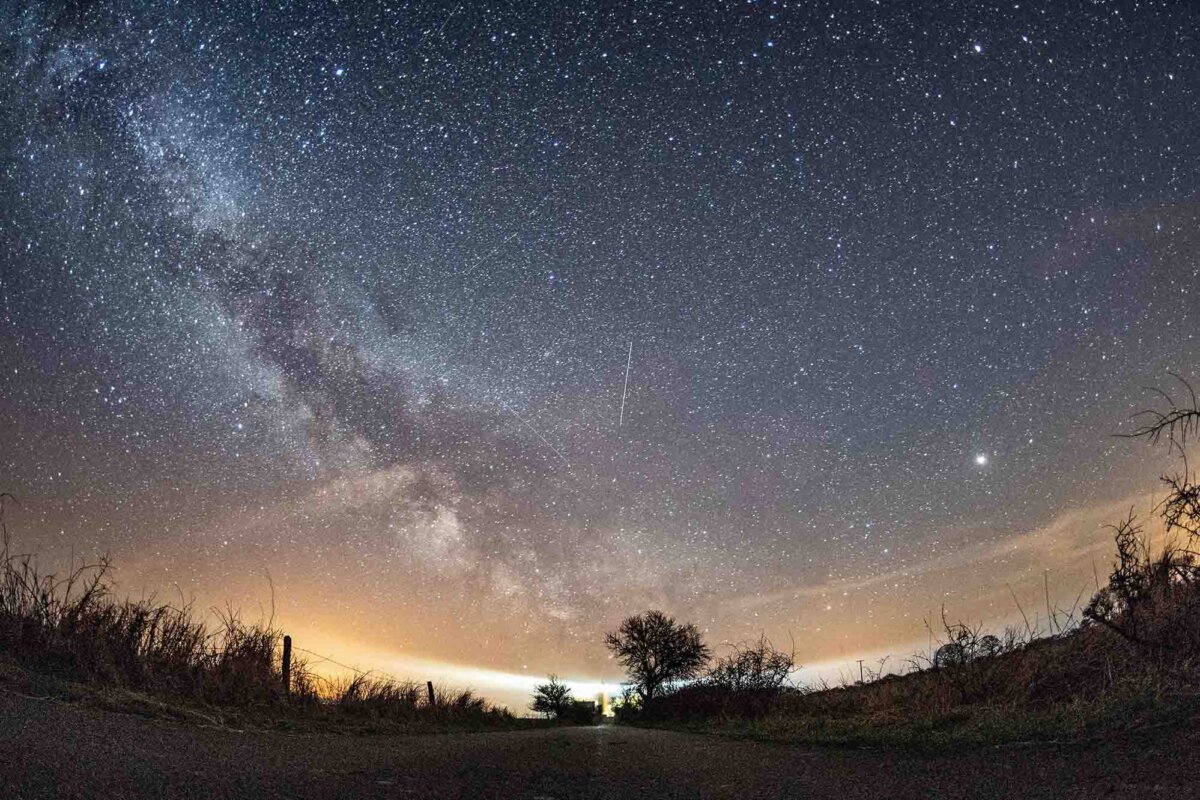
Peak period will unfortunately be plagued by bright moonlight. As the full moon falls on Aug. 9, a waning gibbous moon will wash out many meteors when they’re thickest. That’s why astronomers say to get out to watch the Perseids before the moonlight becomes too bright. Very likely the Perseids will at this time be joined by a lesser shower known as the Delta Aquariids.
When watching the Perseids, the view is best just after midnight until dawn, a result of their angle of approach toward Earth. The meteors tend to thicken in number as the night deepens and is best just before sunrise.
If you were to rewind the meteors backward in space, you’d discover they all appear to originate from a single point in space, called the radiant, which is in the constellation Perseus. Hence their name: the Perseids. However, meteors do not originate from the constellation, which is light years away. It’s a trick of perspective that makes their vectors converge on that point.
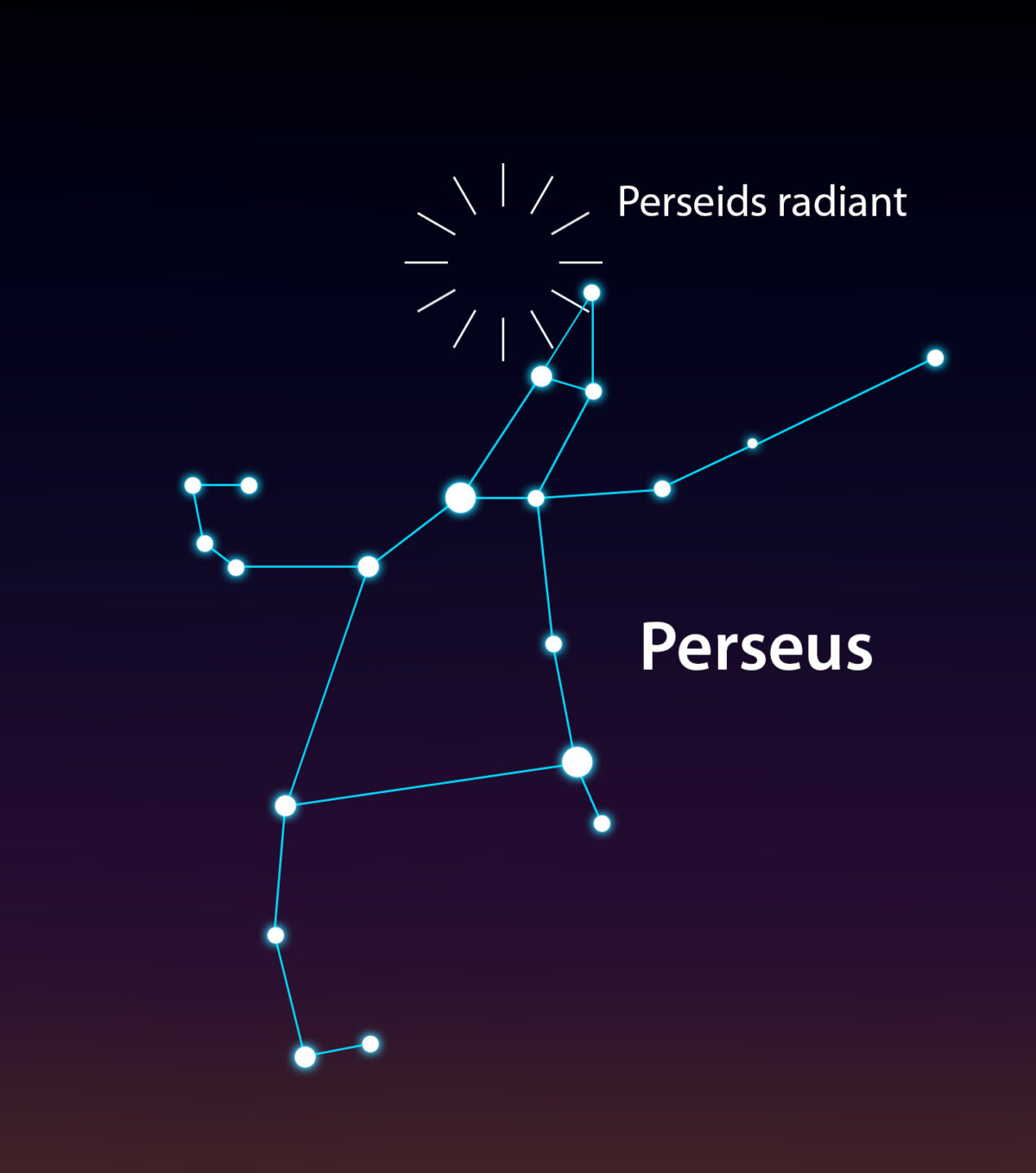
Actually, it’s suboptimal to search for meteors at the radiant. Because they fan out in all directions, they’re far more likely to be found across the entire sky. Ideally, an observer will want an unobstructed view with as much open sky as possible and no city lights.
Although the waning gibbous moon will diminish the Perseids during their peak, this shower is no slouch and might still deliver. Diehard meteor spotters will probably lounge in the shadow of a barn and still see many; just block out the moonlight, and the view during peak period may be salvageable.
The Perseids are reliably the brightest and most numerous of showers, and under dark conditions will yield 90 shooting stars per hour, so hope is definitely not lost for Perseids next month.
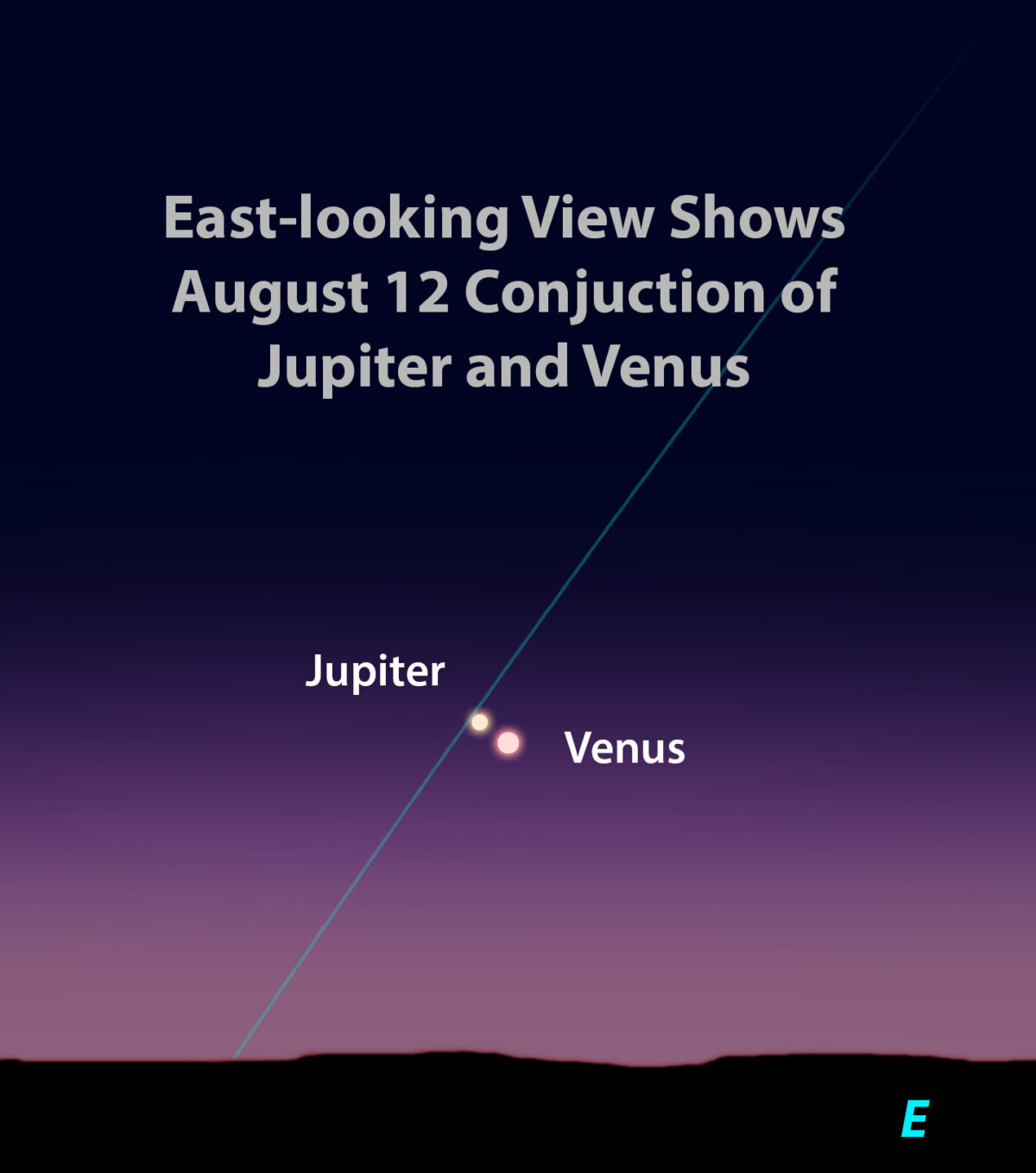
And if you’re watching during peak period, be sure not to miss a rare conjunction between the planets Jupiter and Venus at dawn on Aug. 12. The two planets will close to within a degree of each other, a distance so miniscule that a pinky finger extended at arm’s length could hide both planets.
Where Do Perseids Come From?
Tracing the cosmic dust of meteors back in time, it was once part of a comet. And the Perseids’ parent comet was 109P/Swift-Tuttle, which orbits the sun once every 133 years and last neared the Earth in 1993.
When comets come near the sun, solar radiation causes them to sublimate, and they release bits and pieces of ice and debris in their wake across vast areas of space. That’s why we have meteor streams floating haphazardly in space yet consistently striking Earth on regular dates; they’re still following in same orbit as the comet that spawned them millennia ago.
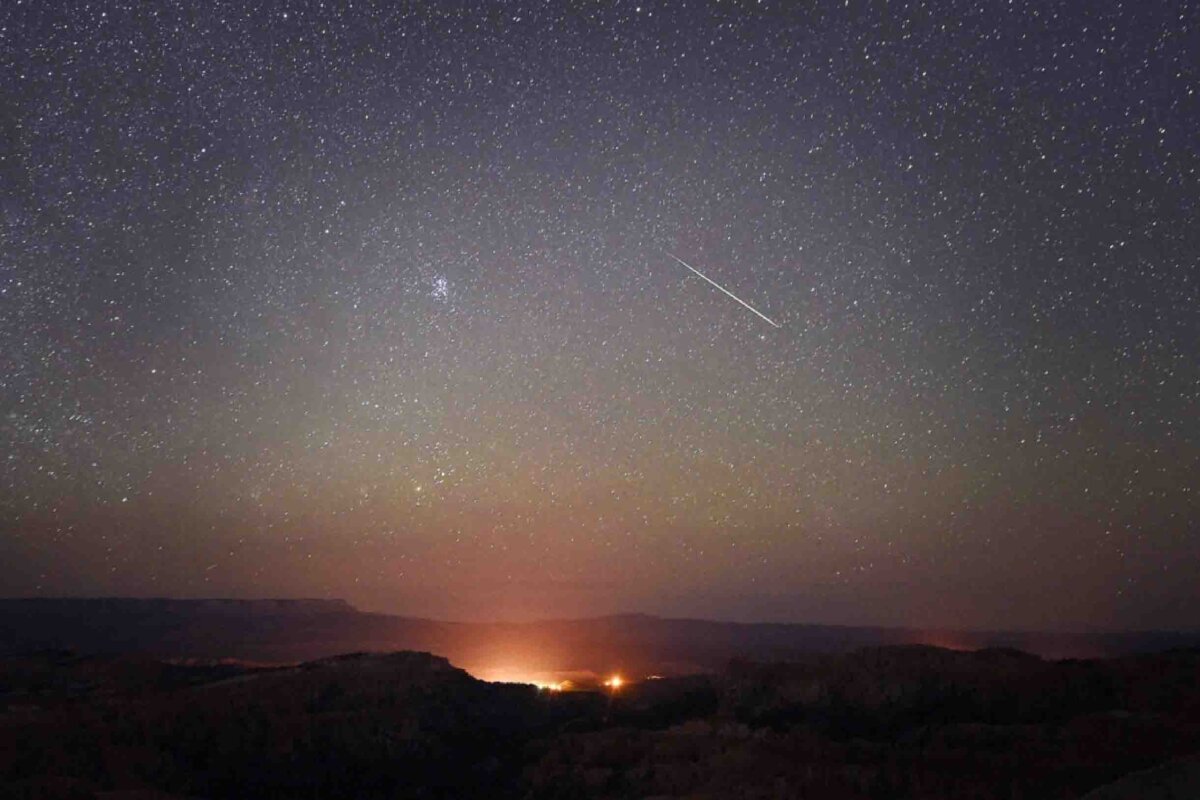
For some reason, the Perseid meteors come in gluts whenever 109P/Swift-Tuttle is near the Earth. The comet’s last visit is why we’re seeing so many these days. In the early 1900s, only four fell per hour. But in 1993, the rate was between 200 and 500 meteors per hour, according to EarthSky.
The comet 109P/Swift-Tuttle was discovered by Lewis Swift and Horace Parnell Tuttle in 1862 when it passed through the solar system. It takes 133 years to orbit the sun once. Then the Italian astronomer Giovanni Schiaparelli linked the comet with the meteors in 1866. The very first recorded history of the Perseids comes from Chinese manuscripts dated to 36 A.D.