
Conservatives say the federal government shouldn’t delay establishing a foreign agent registry mandated by legislation passed nearly a year ago to combat foreign interference.
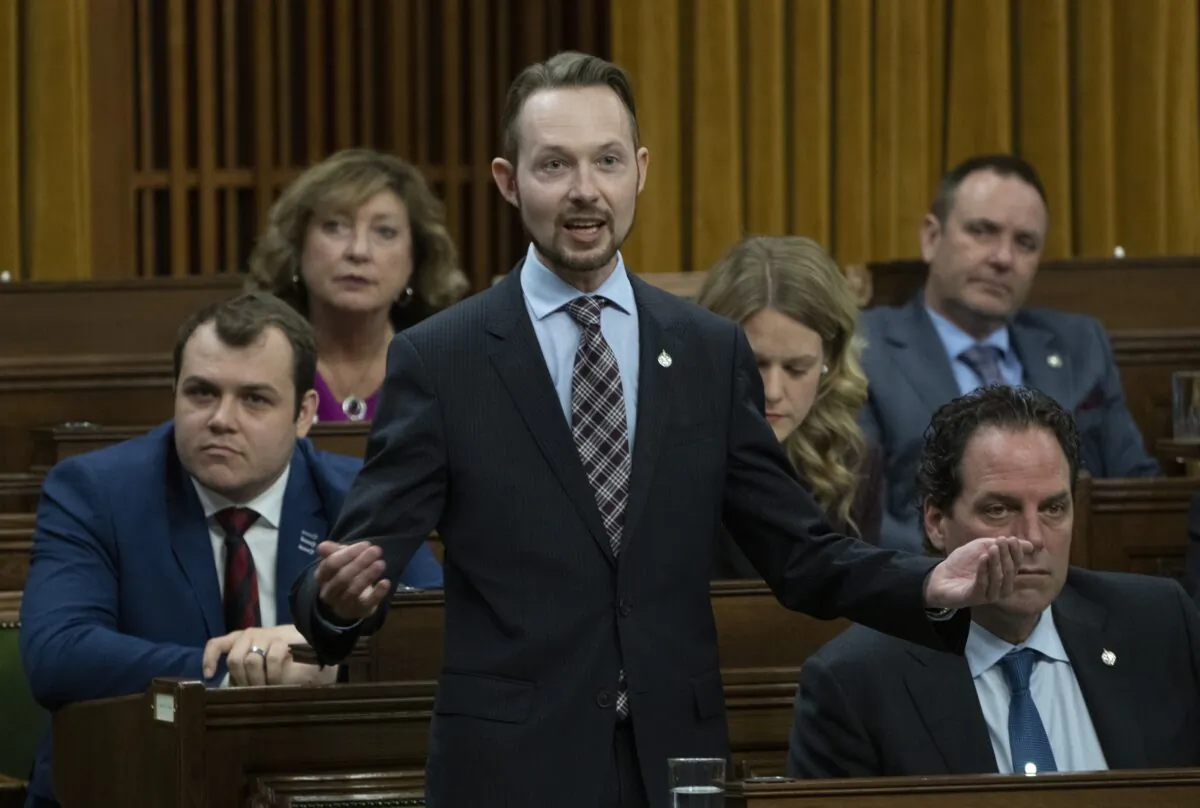
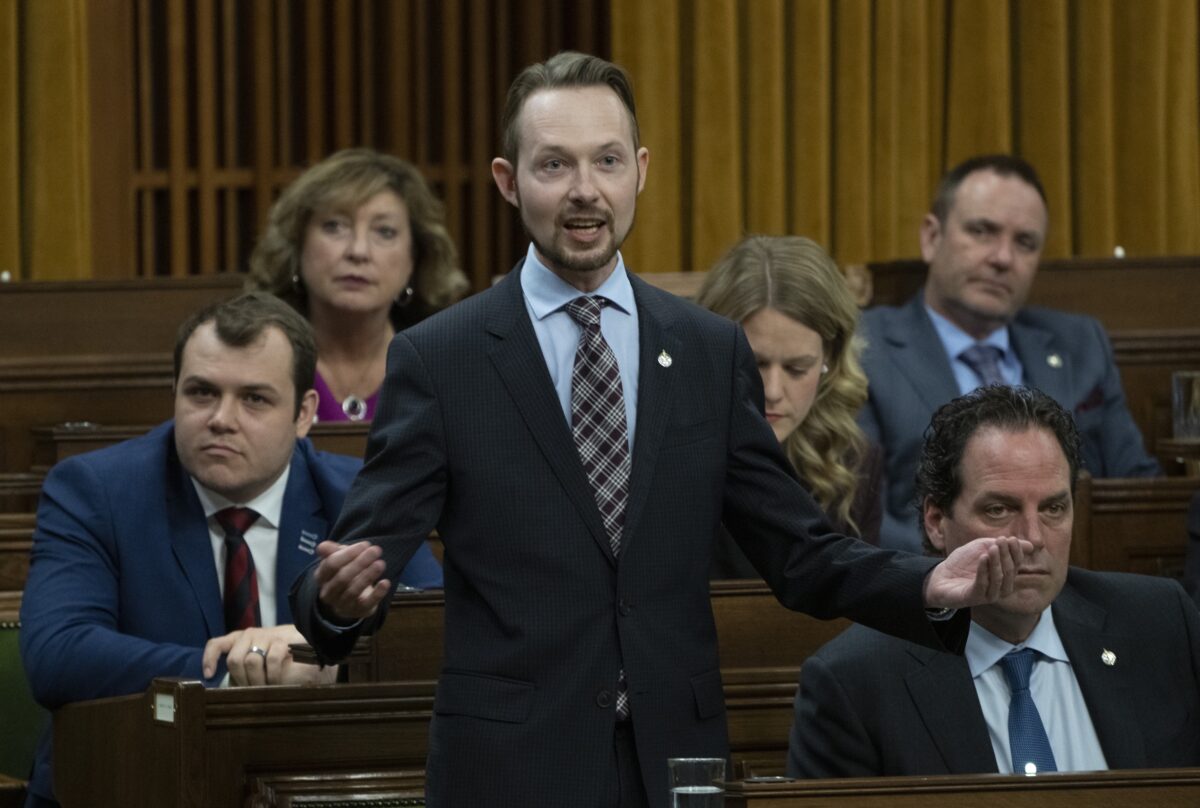
Tory MP Michael Cooper said in the House of Commons on June 6 that Canada has “become a playground for foreign interference,” adding that although legislation to combat foreign meddling was passed last year, which includes the creation of a foreign influence registry, the federal government has yet to take action.
“It has been a year since the legislation passed. Where is the registry?” Cooper said. “There is no office established, no commissioner appointed, and no timeline provided.”
Bill C-70, “An Act respecting countering foreign interference,” received royal assent in June 2024. A key part of the legislation is creating a foreign influence registry, requiring anyone working with a foreign entity to report to the foreign influence transparency commissioner when those activities relate to Canada’s political processes. Failure to abide is punishable by a fine of up to $5 million or imprisonment up to five years.
The registry would operate under the Foreign Influence Transparency and Accountability Act (FITAA), which was introduced as part of Bill C-70.
The bill came amid growing concerns over foreign interference in Canada, following intelligence leaks in the media starting in late 2022 about China’s extensive interference activities with Canada’s democratic instructions. The reports eventually prompted a public inquiry into the matter, which found that China is “the most active perpetrator of foreign interference targeting Canada’s democratic institutions.”
Before the legislation was passed, federal officials said it would take an extra year to set up the registry because of the “significant amount of work” involved. That includes writing regulations, building an IT solution to host the registry, developing investigative capabilities, hiring a commissioner, and setting up the organization, Richard Bilodeau, a director general at Public Safety Canada, told a House of Commons public safety committee on May 30, 2024.
The Epoch Times sought comment from the Department of Public Safety on the timeline for the establishment of the registry but did not receive a response by publication time.
MP Cooper said that national security experts and diaspora groups have been calling “for years” on the Liberal government to establish such a registry, and urged Ottawa to “finally take foreign interference seriously and get this registry up and running now.”
Sarah Teich, a Toronto-based human rights lawyer who works with the Human Rights Coalition—a network of diaspora community organizations in Canada—echoed Cooper’s concerns, saying that “a year is much too long.”
“Laws are only as good as they are implemented and enforced,” she told The Epoch Times. “Passing FITAA through C-70 is an empty action if not implemented.”
Ahead of this year’s federal election, the Human Rights Coalition, along with the Canadian Coalition for a Foreign Influence Transparency Registry, called on major federal parties to outline their plans to address foreign interference and transnational repression.
They asked the parties to state their positions on various issues, including the “full and timely” implementation of the foreign influence transparency registry as proposed in Bill C-70.
In response, the Liberal Party said it would build on the Trudeau government’s efforts to address foreign interference, calling it “one of the most serious threats facing Canadians and Canadian institutions.” On the issue of the registry, the party said Prime Minister Mark Carney would “respond” to it, but didn’t offer any details.
Noé Chartier contributed to this report.
 Friends Read Free
Copy
Facebook
Tweet
Friends Read Free
Copy
Facebook
Tweet