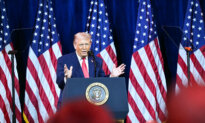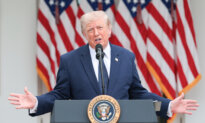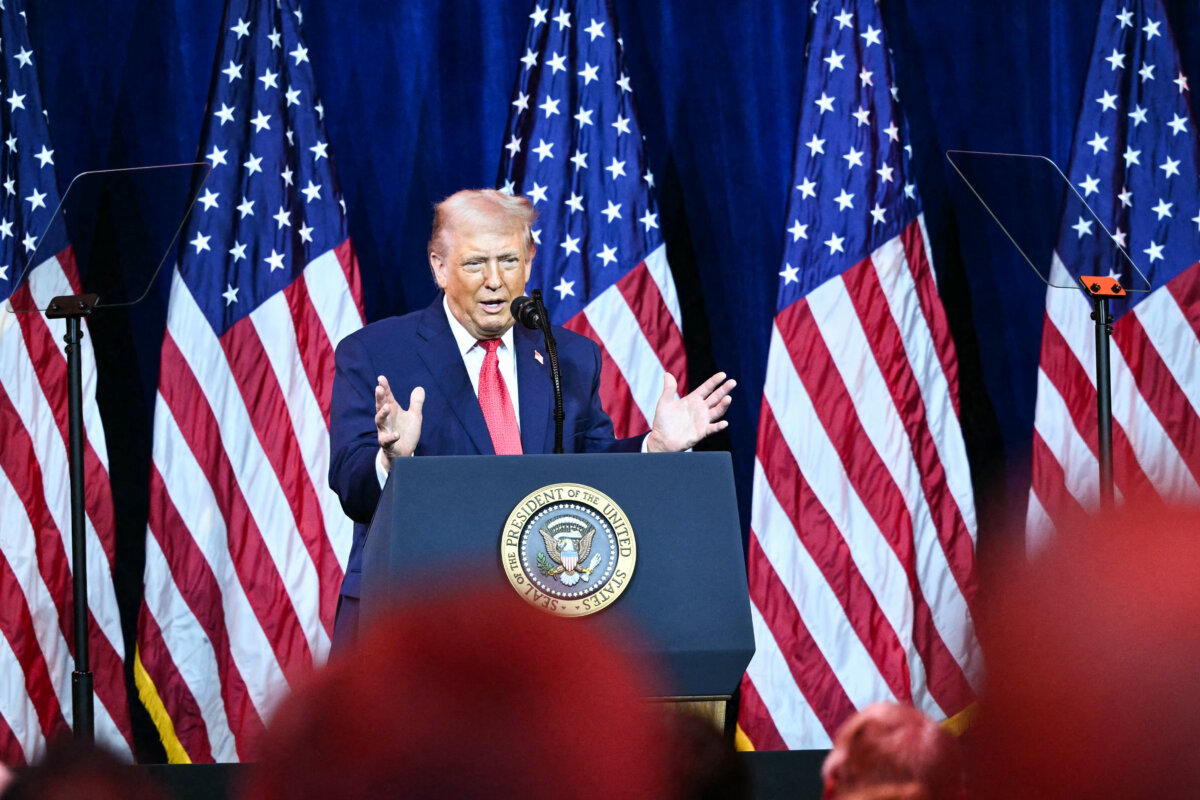

President Donald Trump said on Jan. 11 he was planning to speak with tech billionaire Elon Musk about restoring internet access in Iran after the regime blocked online services amid protests.
“As you know, he’s very good at that kind of thing. He’s got a very good company. So we may speak to Elon Musk, and heck, I’m going to call him as soon as I’m finished with you,” Trump told reporters aboard Air Force One.
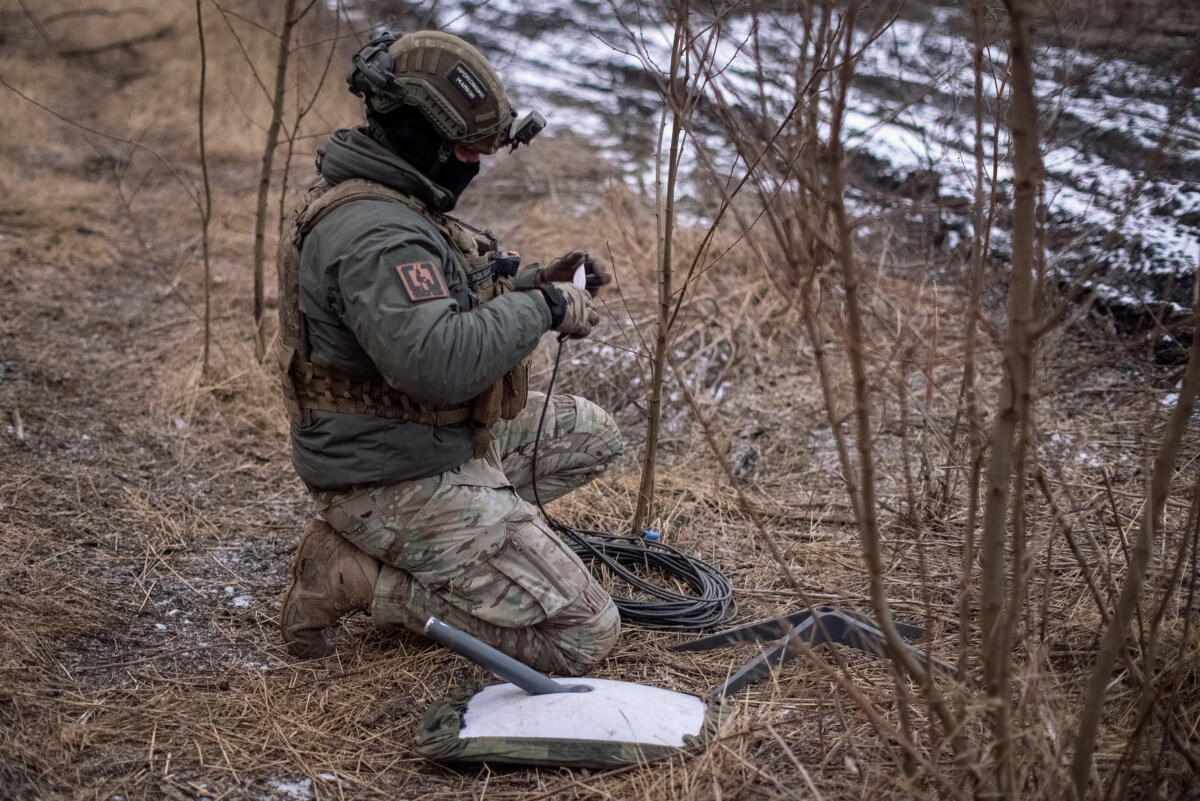
Musk’s SpaceX company offers the Starlink service, which allows users access to the internet without any wired connection via a constellation of satellites surrounding Earth.
The flow of information from Iran has been hampered by an internet blackout since Jan. 8.
Neither Musk, who also owns social media platform X and electric car company Tesla, nor Starlink has yet commented publicly on Trump’s statement about the use of the technology in Iran.
The Epoch Times contacted SpaceX for comment but received no comment by publication time.
Musk has provided Starlink services to Iranians to help them bypass government restrictions, including during previous protests in 2022, when the White House engaged with the billionaire after protests sprang up following the death of 22-year-old Mahsa Amini in police custody.
Starlink has also been used in other nations mired in unrest or conflict, such as Ukraine.
Despite being illegal under Iranian law, Starlink is being used in Iran by people with receivers.
Amir Rashidi, director of digital rights and security at the Miaan Group and an expert on Iran, told IranWire, an anti-regime citizen-journalism outlet, that following the outbreak of protests, jamming signals were detected targeting Starlink satellites. He said that around 30 percent of Starlink’s uplink and downlink traffic was initially disrupted, rising to more than 80 percent as time went on.
Starlink receivers use GPS signals to position themselves to connect to a constellation of low-orbit satellites.
Rashidi said he had not witnessed such outages in his 20 years of research, adding that the technology being used is highly sophisticated and military-grade. These jammers, he said, were likely supplied to the regime by China or Russia, if they were not developed internally.
Trump was also asked by reporters aboard Air Force One about the Iranian regime’s threat to strike Israeli and U.S. military bases if Washington attacks Iran.
“If they do that, we will hit them at levels that they’ve never been hit before. And they won’t even believe it. I have options that are so strong,” the U.S. president said.
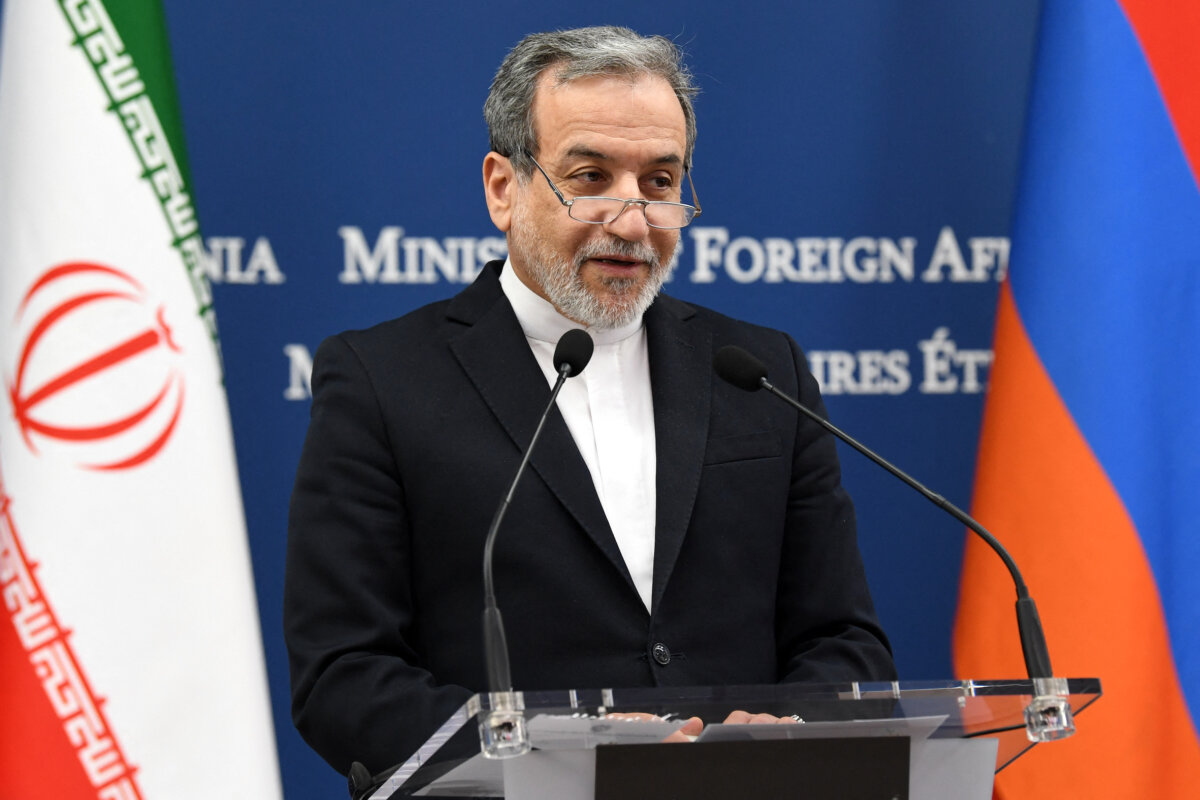
Iranian Foreign Minister Abbas Araghchi has blamed the United States for escalating the protests, saying they were made “violent, bloody to give an excuse” to Trump to intervene. He said the protests were “infiltrated by terrorist operatives and terrorist groups.”
He said the country is “ready for war but also for dialogue,” according to Al Jazeera.
Araqchi’s comments follow remarks by Trump on Jan. 11 that the Iranian government had contacted his administration to seek negotiations.
“I think they’re tired of being beat up by the United States,” Trump said. “Iran wants to negotiate.”
Trump warned that the United States “may have to act” before a potential meeting takes place.
“There seem to be some people killed that aren’t supposed to be killed. These are violent [leaders], if you call them leaders. I don’t know if their leaders are just … they rule through violence, but we’re looking at it very seriously,” he said. “The military is looking at it, and we’re looking at some very strong options. We’ll make a determination.”
At least 544 people have died, and about 10,681 others have been detained in Iran’s nationwide protests as of Jan. 11, according to the Human Rights Activists News Agency (HRANA), which relies on supporters in Iran to cross-check its information.
Of those fatalities, HRANA said that at least 483 were protesters and 47 were law enforcement forces. The protests have spread to all 31 provinces as they entered their 15th day.
HRANA said it was investigating hundreds more reports of people feared dead.
Iran’s current protests began on Dec. 28 in response to economic turmoil in the nation, but have since morphed into calls for the end of the hardline regime, which has governed the country since the 1979 revolution.
Aldgra Fredly contributed to this report.
 Friends Read Free
Copy
Facebook
Tweet
Friends Read Free
Copy
Facebook
Tweet