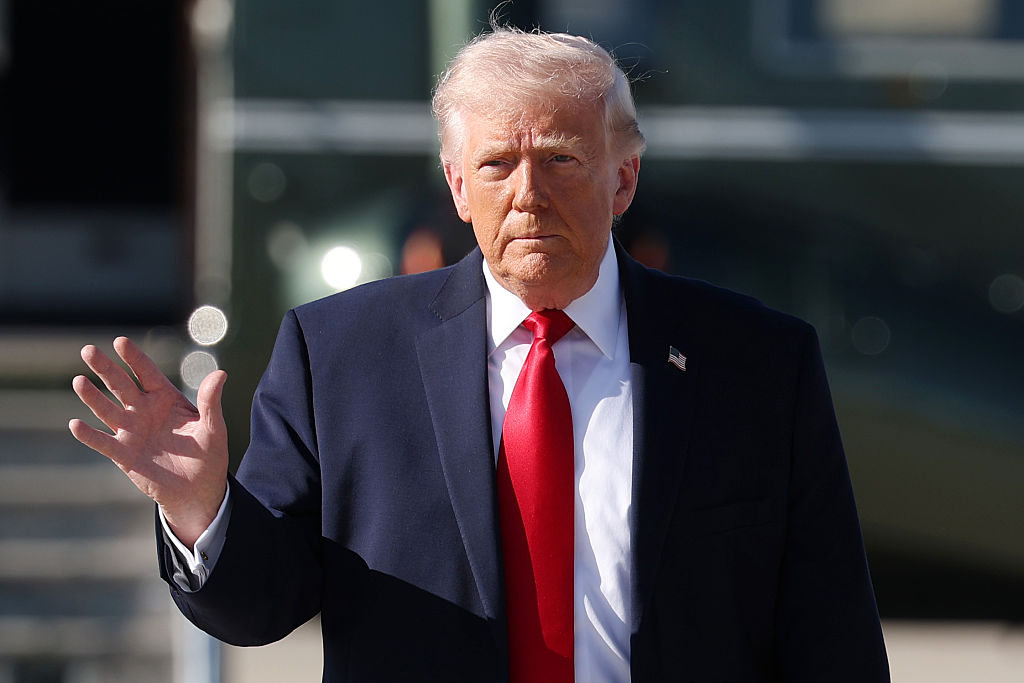

U.S. President Donald Trump on April 29 urged Iran to reach an agreement to end the ongoing conflict with the United States.
“Iran can’t get their act together,” he wrote on Truth Social. “They don’t know how to sign a nonnuclear deal. They better get smart soon!”
The post was accompanied by an edited image showing Trump wearing sunglasses and holding a machine gun, with explosions in the background.
Iran has been seeking U.S. recognition of its right to enrich uranium for what it describes as peaceful civilian purposes.
Iran has about 970 pounds of uranium enriched to 60 percent purity, a short, technical step from weapons-grade levels of 90 percent, according to the International Atomic Energy Agency, the U.N.’s nuclear watchdog agency.
Iranian officials said on April 28 that the country could endure the U.S. blockade by relying on alternative trade routes and emphasized that it does not consider the war to be over.
The conflict, now in its second month, has resulted in thousands of deaths, disrupted global trade routes, and caused volatility in energy markets.
Tehran’s latest proposal to resolve the war—which is paused under an April 8 ceasefire—would delay discussions of its nuclear program until after the conflict ends and shipping disruptions are addressed. This approach conflicts with Trump’s insistence that nuclear issues be part of negotiations from the outset.
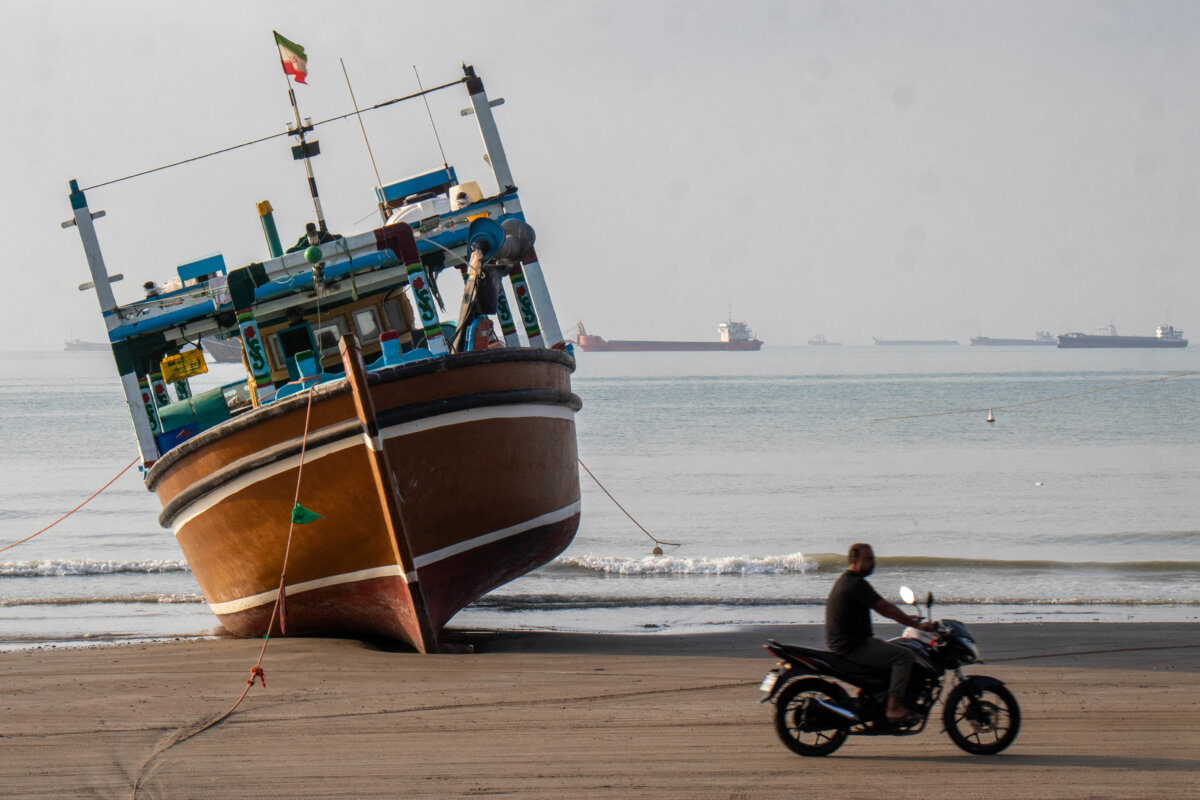
Since fighting began on Feb. 28, Iran has largely restricted shipping through the Strait of Hormuz, a critical passage for global energy supplies. In response, the United States has recently begun blockading Iranian vessels.
Efforts to quickly resolve the conflict have stalled. Trump recently canceled a planned diplomatic visit by his envoy Steve Witkoff and his son-in-law Jared Kushner to Pakistan, which has been acting as a mediator.
Iranian Foreign Minister Abbas Araghchi visited Pakistan twice over the same weekend.
At home, Trump faces mounting pressure to end the war. Public approval of his performance has declined; a recent Reuters/Ipsos poll showed support at 34 percent, down from 36 percent in the previous survey. Concerns about the cost of living and dissatisfaction with the war have contributed to the drop.
Oil prices rose by nearly 3 percent on April 29, including a one-month high for Brent crude amid fears that continued disruption to Iranian exports could tighten global supply.
The World Bank warned on April 28 that energy prices could increase by 24 percent in 2026—potentially reaching their highest levels since the early stages of the war in Ukraine—if supply disruptions persist.
Reuters contributed to this report.
 Friends Read Free
Copy
Facebook
Tweet
Friends Read Free
Copy
Facebook
Tweet