
The UK’s competition regulator said it could force Google to change how it ranks search results.
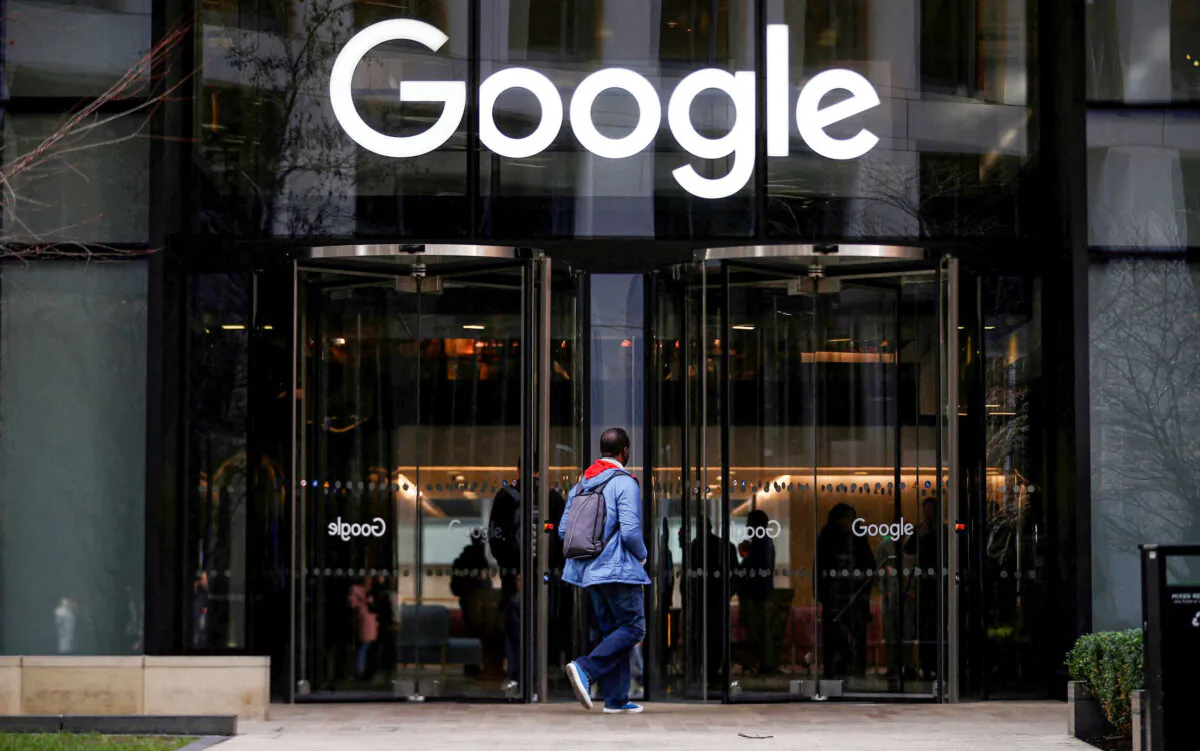
The UK’s Competition and Markets Authority (CMA) is proposing to designate Alphabet-owned Google with “strategic market status,” it said on June 24.
In January 2025, new responsibilities for the CMA came into force under the wide-reaching Digital Markets, Competition, and Consumers Act, giving the UK’s competition watchdog the power to intervene in search services.
The designation could compel Google to enhance transparency for publishers (including in artificial intelligence-generated responses), ensure “non-discriminatory ranking” of search results, and simplify access to rival search services.
The CMA has said it will make a final decision on the “strategic market status” designation in October.
CMA Chief Executive Sarah Cardell said the actions were “targeted and proportionate.”
“[They will] give UK businesses and consumers more choice and control over how they interact with Google’s search services, as well as unlocking greater opportunities for innovation across the UK tech sector and broader economy,” she said.
The regulator said Google searches account for more than 90 percent of all general search queries in the UK and that more than 200,000 businesses in the UK rely on Google advertising to reach their customers.
In a statement on June 24, Google said, “[The CMA has] reiterated that ‘strategic market status’ does not imply that anti-competitive behaviour has taken place, yet this announcement presents clear challenges to critical areas of our business in the UK.”
“We’re concerned that the scope of the CMA’s considerations remains broad and unfocused, with a range of interventions being considered before any evidence has been provided,” the company said.
“The UK has historically benefited from early access to our latest innovations, but punitive regulations could change that.”
Under the Digital Markets, Competition, and Consumers Act, authorities are able to impose substantial fines for noncompliance.
The UK has implemented a range of far-reaching internet laws.
Hailed by the UK government as the world’s first online safety law, the Online Safety Act (OSA) became law in October 2023, but the duties related to the regulation of so-called illegal content took effect in March 2025.
The law requires online platforms to implement measures to protect people in the UK from criminal activity, with far-reaching implications for the internet.
Under the OSA, sites that allow user interaction, including forums, must have completed an illegal harm risk assessment by March 16 and submitted it to the UK regulator Ofcom by March 31.
Ofcom warned that noncompliance could result in enforcement action, including massive fines of 18 million pounds (more than $23 million) or 10 percent of a company’s annual revenue, or even court orders to block access in the UK.
In the European Union (EU), Google has been pursued under the Digital Services Act.
The Digital Services Act and the Digital Markets Act (DMA) form a single set of rules under a package that applies across the EU.
The DMA is focused on ensuring fair and open digital markets, whether they are established within or outside the EU, regulating the gatekeeping power of the largest digital companies.
Companies can be fined up to 10 percent of their annual worldwide turnover for a first offense and up to 20 percent for repeat violations.
Google is facing pressure over its digital advertising business in Europe.
In March, the European Commission said that under the DMA, app developers that distribute their apps via Google Play “should be able, free of charge, to inform customers of alternative cheaper possibilities, to steer them to those offers and to allow them to make purchases.”
“The commission preliminarily finds that Alphabet fails to comply with that obligation,” it said.
It also said Alphabet treats its own services, such as shopping, hotel booking, transport, or financial and sports results, “more favourably in Google Search results than similar services offered by third parties.”
 Friends Read Free
Copy
Facebook
Tweet
Friends Read Free
Copy
Facebook
Tweet