
Hostilities resumed between Russia and Ukraine after a three-day ceasefire to facilitate the safe passage of peace envoys from the United States between Moscow and Kyiv expired.
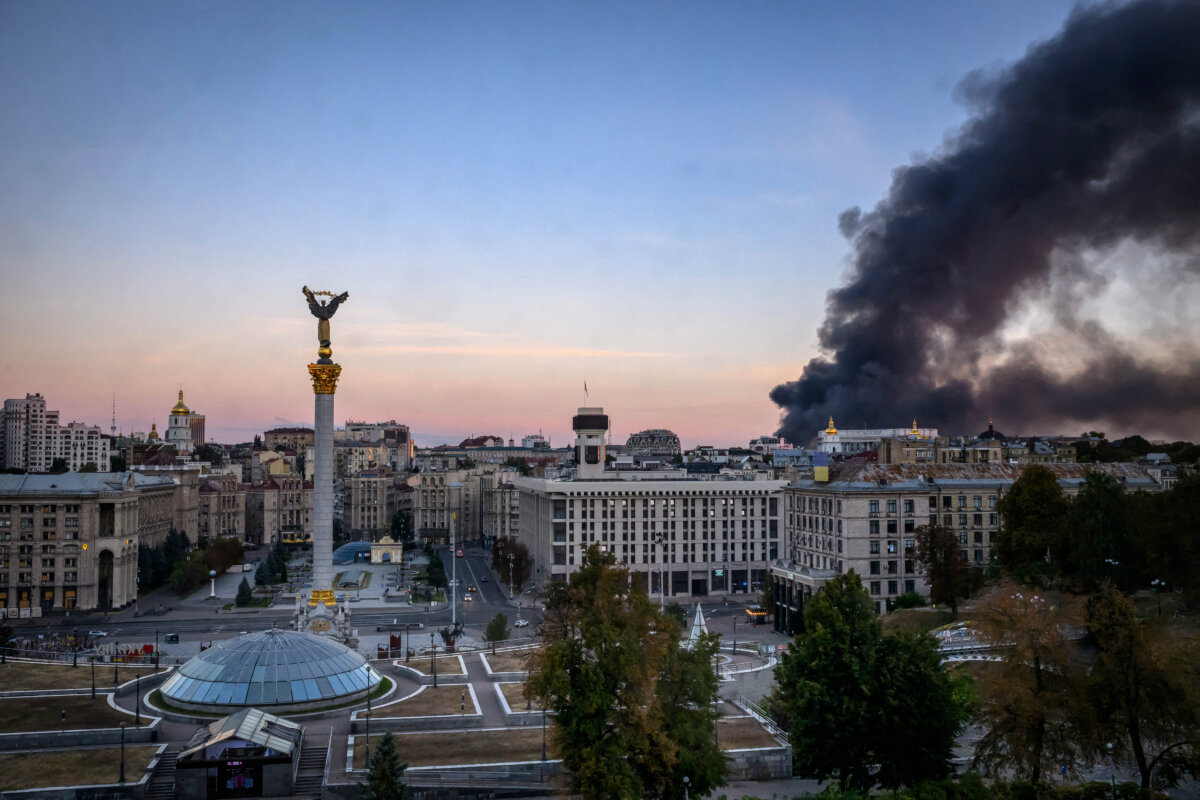
The Ukrainian capital was bombarded by Russian drones and missiles during the early hours of Sept. 8, resulting in at least three deaths, according to a post on Telegram by Kyiv Mayor Vitaliy Klitshko.
He said another 10 were injured during the overnight pounding, which also caused fires across the city.
Ukrainian President Volodymyr Zelenskyy said in an X post the same day that another two people had suffered injuries in the northeastern city of Kharkiv, in what he called a “complex attack that the Russians tried to cause as much harm to life as possible.”
Other regions struck included Sumy, Zaporizhzhia, and the Dnipro region.
“Overall, our warriors downed 175 aerial targets overnight, but unfortunately, not all of them. Despite very good results against cruise missiles, ballistic missiles remain particularly difficult to intercept, and every day we make the case to our partners for our need for interceptors,” the Ukrainian leader said, adding he had already discussed this issue with American and European allies.
In a later post, Zelenskyy said that Russia had targeted Ukrainian media and journalists after a Shahed drone hit the building housing the We Are Ukraine TV channel.
“It happened in broad daylight–while journalists were live on air. The building was partially destroyed. All necessary services are working at the site,” he said, adding that five people had been reported injured, but that number may rise.
Ukrainian Foreign Minister Andrii Sybiha said in a Sept. 8 post on X that the moment U.S. peace envoys Steve Witkoff and Jared Kushner left the country, Russian President Vladimir Putin “launched another massive, horrific attack against Kyiv.”
“His ballistic missiles speak louder than his words on diplomacy,” Sybiha said, calling on European allies to follow Germany’s lead in closing down all “Russian houses” across the continent, ramp up pressure on Moscow, and provide Ukraine with interceptors.
The Russian Ministry of Defence said its forces had hit military and logistics targets in Kyiv and the surrounding region, as well as in the Black Sea port of Chornomorsk.
In Russian-occupied Crimea, Moscow-installed governor Sergei Aksyonov said in a social media post that two people had been killed in a Ukrainian attack on the peninsula, which Russia annexed in 2014 and Ukraine still views as rightfully its own.
The return to violence came after both nations said they held productive negotiations with Witkoff and Kushner, President Donald Trump’s son-in-law, over the weekend.
In Kyiv, Zelenskyy described the negotiations as “very substantive” and said he viewed them as a positive development toward achieving eventual peace.
Offering Moscow’s view of the talks, Kremlin aide Yuri Ushakov said that “overall, one can say that the negotiations were timely and highly useful for both sides.”
Witkoff, in his first post on X since the talks ended, said on Sept. 7 that “substantive progress was made, including movement on scheduling additional trilateral talks.”
Kushner, speaking in Kyiv at a press conference with Witkoff and Zelenskyy on Sept. 6, said that Washington favored the trilateral format because it allows direct communication among all parties, rather than forcing Washington to act as an intermediary between Moscow and Kyiv.
On the previous trilateral negotiations, he said that “everyone was speaking … in Russian to each other and really discussing these issues in a very friendly manner.”
Previous trilateral talks—most recently in Geneva in February—have failed to resolve key issues such as territory and security guarantees for Ukraine.
 Friends Read Free
Copy
Facebook
Tweet
Friends Read Free
Copy
Facebook
Tweet