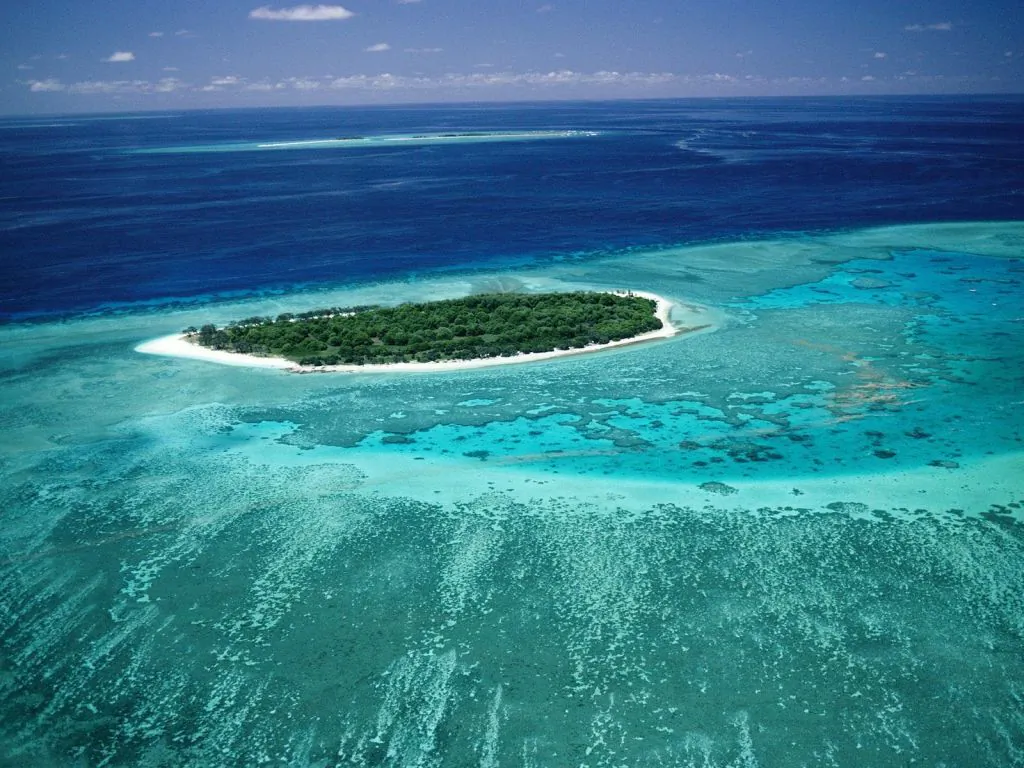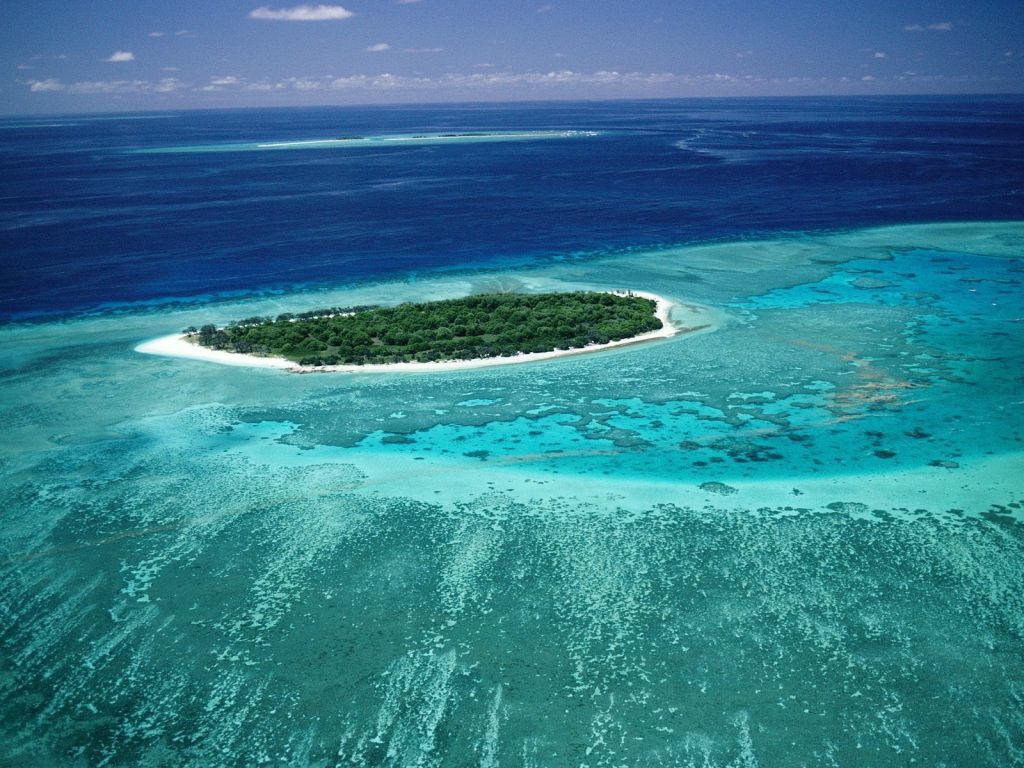

The World Heritage Committee has granted Australia an extension so that it can address significant challenges facing the Great Barrier Reef, including “coral bleaching” and has offered Australia a potential opportunity to prevent its inclusion on the endangered list.
The United Nations World Heritage Committee has formally excluded the Great Barrier Reef from its “in danger” list, yet Australia continues to face scrutiny to demonstrate its commitment to safeguarding the reef from environmental threats.
However, this respite is short-term, and Australia is required to provide a progress report in 2024 detailing its efforts to mitigate the impacts of climate change, deteriorating water quality, and other threats the reef is facing.
Australia has campaigned against the Great Barrier Reef’s endangered designation on the World Heritage list, and the federal government breathed a sigh of relief last month when UNESCO, in a preliminary decision, suggested postponing its final judgment.
Coral Bleaching
UNESCO expressed profound concern over the occurrence of four mass coral bleaching events since 2016, including an unprecedented incident during a cooler La Niña phase in 2022.
In March 2022, a staggering 91 percent of the reef experienced bleaching, marking the first occurrence during a La Niña weather pattern, typically associated with cooler, cloudier conditions.
By Feb. 2024, Australia is obliged to submit a progress report to the World Heritage Centre outlining its actions and efforts towards preserving the well-being of the reef.
Lissa Schindler, a representative from the Australian Marine Conservation Society, emphasised that the Great Barrier Reef is currently battling its most critical challenge, as the impending El Niño is expected to elevate the risk of marine heatwaves and further coral bleaching.
Australian Institute of Marine Science Concerns over Coral Bleaching
The Australian Institute of Marine Science (AIMS) has been conducting extensive monitoring of mass bleaching across the Great Barrier Reef since the early 1980s, and it extended its monitoring efforts to include reefs in Western Australia starting in the early 1990s.
Coral bleaching refers to the reaction to environmental stressors like temperature, light, or nutrient changes by expelling the symbiotic algae residing in their tissues, leading to a complete whitening of their appearance. Elevated water temperatures are a common trigger for coral bleaching, during which corals expel the algae, known as zooxanthellae, residing in their tissues, resulting in their stark whiteness.
Bleached coral is not necessarily dead coral, as it can endure a bleaching episode, but increased incidents of coral bleaching can eventually cause the coral to die.
Full-scale surveys have documented mass bleaching events on the Great Barrier Reef in the years 1998, 2002, 2016, 2017, 2020, and 2022.
In order to keep the Great Barrier Reef off UNESCO’s danger list, a number of initiatives are being undertaken. These include enhancing land quality, mitigating land-based water pollution, and eradicating detrimental species like the crown-of-thorns starfish, which prey on corals.
Coral Bleaching is a Global Issue
Coral reefs across the globe are vanishing at an alarming rate, and this is a major concern given their ecological significance. The cumulative effects of water pollution, overfishing, and coastal development are exacting a heavy toll on coral reefs. However, the most formidable threat to reefs worldwide remains carbon pollution.
Extended periods of elevated temperatures, coupled with other stressors like degraded water quality, can leave coral populations in a weakened state, impeding their capacity to regenerate, reproduce, and withstand diseases, rendering them highly susceptible to coral ailments and mortality.
The complete recovery of coral reefs from a bleaching event can span decades, underscoring the critical importance of minimising the frequency of such incidents. If the current pace of fossil fuel consumption persists, it is likely that severe bleaching events will become an annual occurrence for reefs by the middle of the century, resulting in devastating consequences, as they will have insufficient time to recuperate. Urgent action is imperative to curtail carbon emissions and limit global temperature increases to 1.5 degrees Celsius, as failing to do so will cast a bleak future for the world’s coral reefs.
 Friends Read Free
Copy
Facebook
Tweet
Friends Read Free
Copy
Facebook
Tweet