
The U.S. government is offering grants totaling $5 million to European civil society groups that raise shared concerns over censorship, mass migration, and the future of Western civilization.
The State Department announced plans on July 13 to provide the funding to groups that “address national sovereignty, migration, censorship, and lawfare challenges in line with our shared political philosophy, law, and Western heritage.”
President Donald Trump, Vice President JD Vance, and other senior government officials have repeatedly raised concerns about societal changes in European nations, particularly soaring levels of immigration and threats to free speech.
The White House said it expects the funds to be distributed among two or three groups, with up to $3 million available for the main recipient.
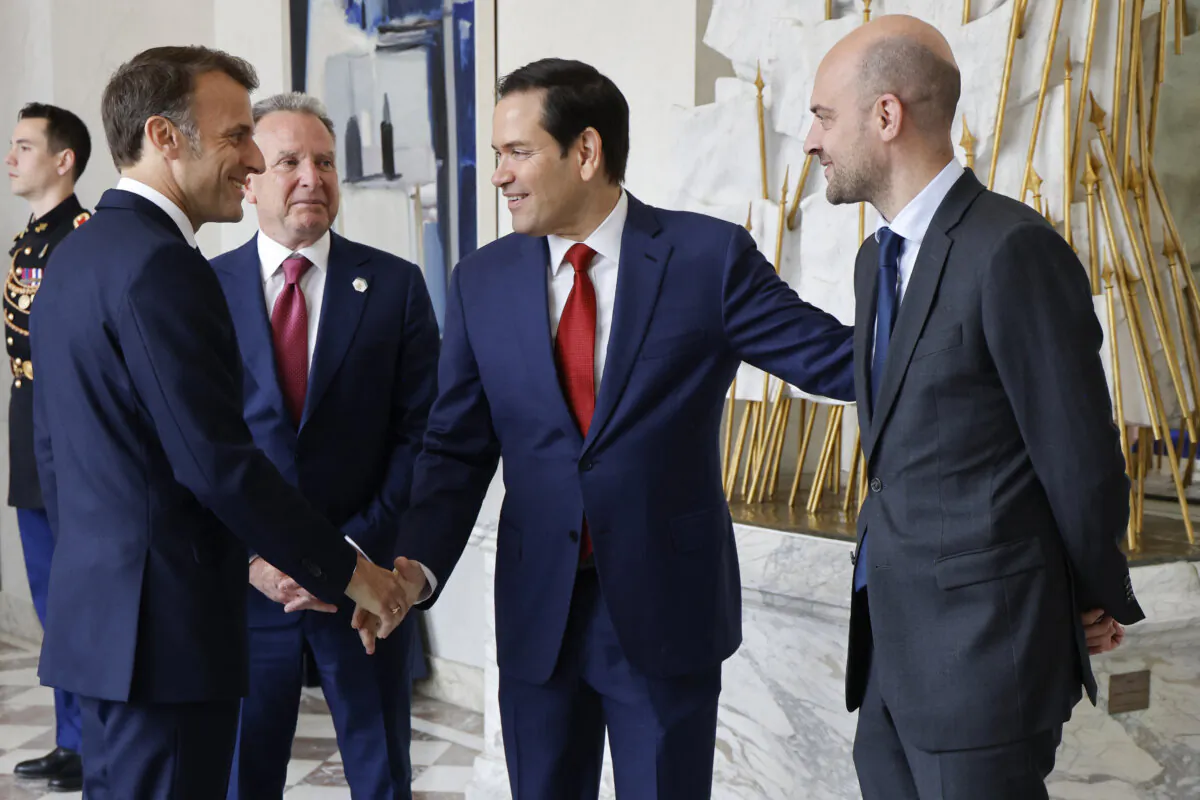
The July 13 announcement references Secretary of State Marco Rubio’s speech at the 2026 Munich Security Conference, where he called for strengthening the relationship between the United States and its European allies, to “address modern challenges like mass migration and violations of free speech.”
The announcement states: “For centuries, the transatlantic partnership has been rooted in a common understanding of natural law, virtue, and national sovereignty.
“However, European governments are increasingly drifting from these foundations through supranational bureaucratic overreach and partisan weaponization that concentrates power in technocratic institutions less accountable to democratic choices.”
‘Vague Hate-Speech Laws’
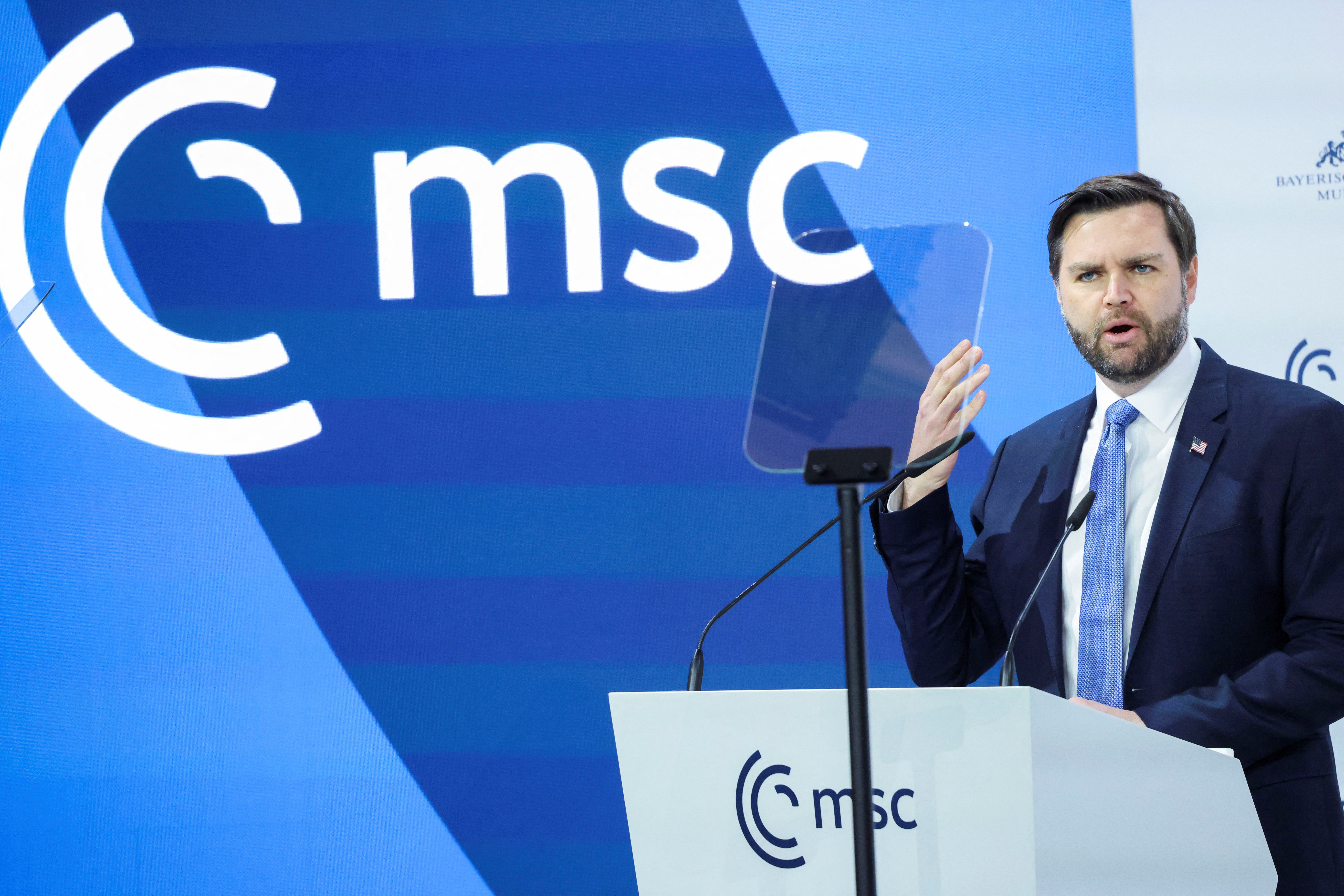
The announcement refers to “supra-national institutions” and governments, which the State Department says are “using state power to undermine fundamental principles of democratic self-government through overbroad and vague hate-speech laws and online content regulations that police and punish speech while suppressing political participation.”
The statement builds on the Trump administration’s concerns surrounding “lawfare,” defining it as “the manipulation of legal systems for political purposes,” which it says “has become a primary tool for suppressing freedom of speech and civic engagement through politically motivated prosecutions, strategic lawsuits against public participation (SLAPPs), criminal defamation laws, and regulatory sanctions against dissenting voices.”
It argues that such tactics “create chilling effects that discourage individuals and organizations from speaking out, even when cases lack merit, as the legal process itself becomes burdensome and intimidating.”
The announcement also claims that media regulators have been “weaponized” to investigate or sanction—under the guise of combating “misinformation” or “disinformation”—outlets that publish dissenting views.
The State Department said this has the effect of “undermining independent journalism and democratic accountability.”
‘Civilizational Erasure’
The Trump administration’s national security strategy, released last year, calls for “cultivating resistance” to the path Europe appears to be on.
The document warns that Europeans face the risk of “civilizational erasure” due to mass migration, falling birth rates, and the loss of national sovereignty to Brussels.
Published by the White House, this document warns that Europe would be “unrecognizable in 20 years or less” if it were to continue down the same path.
“As such, it is far from obvious whether certain European countries will have economies and militaries strong enough to remain reliable allies,” it states.
“We want Europe to remain European, to regain its civilizational self-confidence, and to abandon its failed focus on regulatory suffocation.”
U.S. officials have strongly opposed online regulation, such as the European Union’s Digital Services Act and the UK’s Online Safety Act, which Washington says stifle free speech, particularly criticism of immigration policies, while imposing burdensome requirements on U.S. tech companies.
Advocates argue that such laws combat hate speech, misinformation, and disinformation online.
Suggestion of Election ‘Interference’
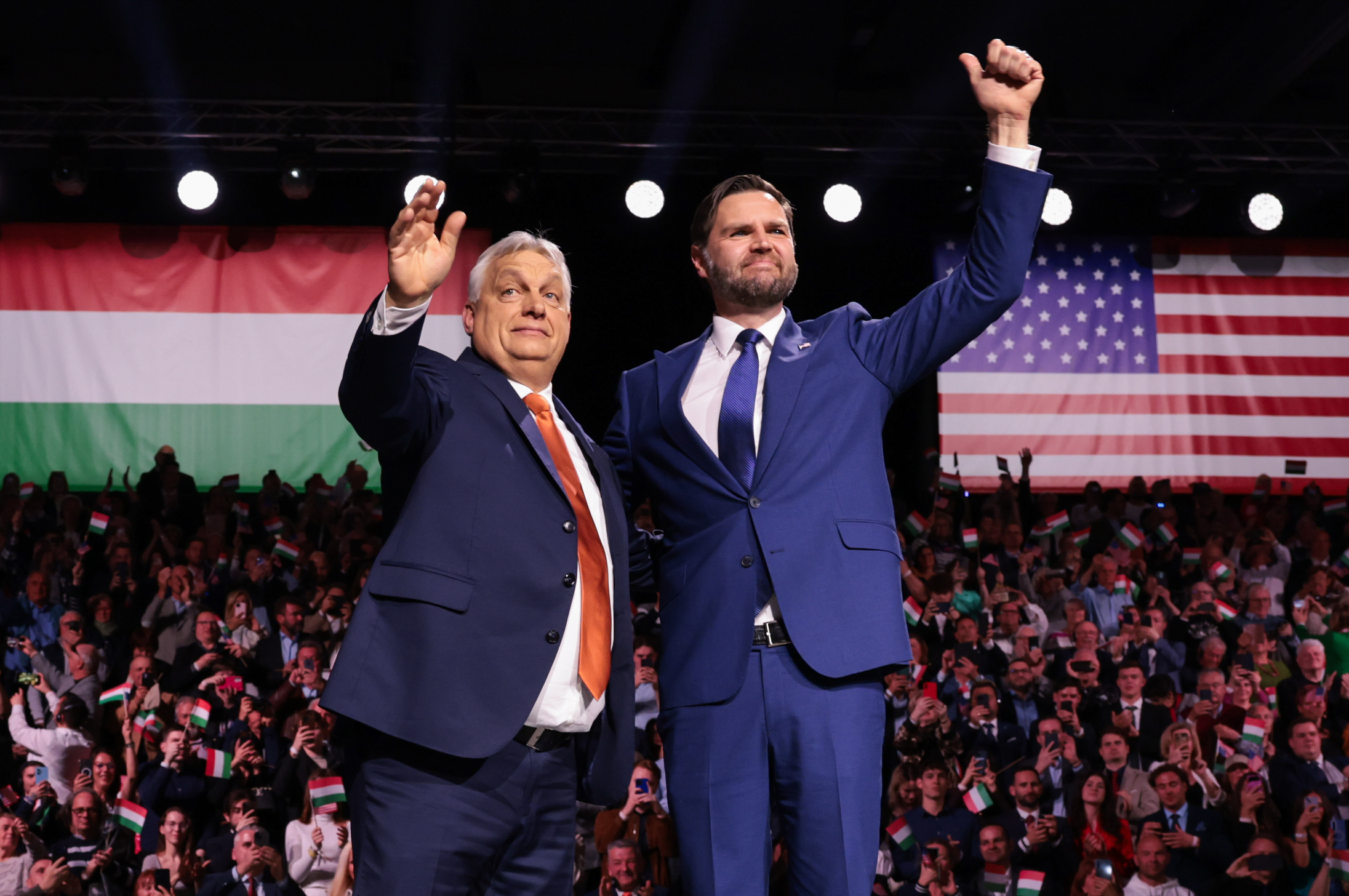
Trump and senior members of his administration have openly campaigned for European leaders who share their concerns and values, including Viktor Orban, the former nationalist prime minister of Hungary, and for the conservative Alternative for Germany Party in Germany.
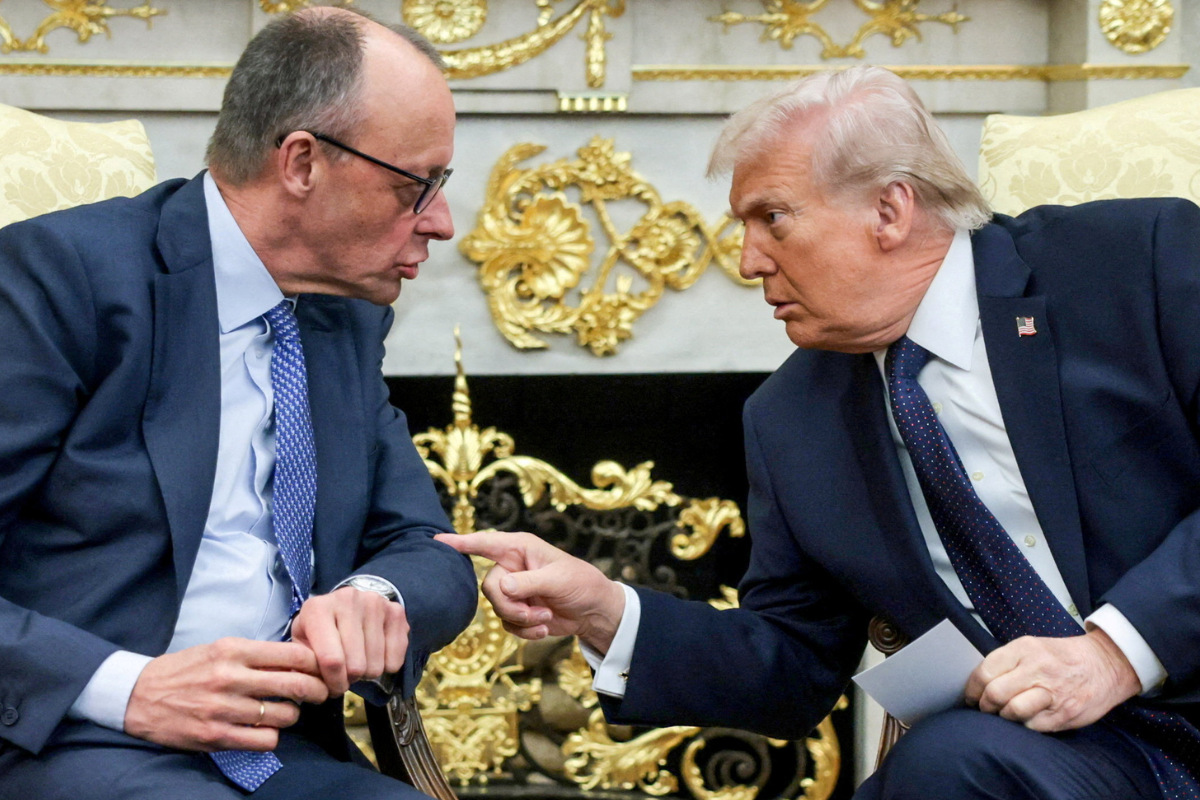
German Chancellor Friedrich Merz on July 15 raised concerns about the Trump administration potentially “interfering” in German elections.
After the announcement of the funding, Merz told a news conference: “For our part, we do not interfere in American elections.
“Conversely, I do not want the American government or institutions close to the government to interfere in German elections.”
The U.S. State Department specifies that individuals and governmental institutions can apply for the grants, but not political parties.
Undersecretary of State for Public Diplomacy Sarah Rogers discussed the initiative during a trip to Europe in February, saying that she wanted to “promote free speech in Western allied democracies, and … that’s what my grantmaking is going to be doing.”
Rogers added that the U.S. government “has been engaging aggressively on the issue of free speech, because you don’t have self-governance without freedom of speech, you can’t have a democratic deliberation if viewpoints are proscribed from the public square.”
Reuters and Kimberly Hayek contributed to this report.
 Friends Read Free
Copy
Facebook
Tweet
Friends Read Free
Copy
Facebook
Tweet